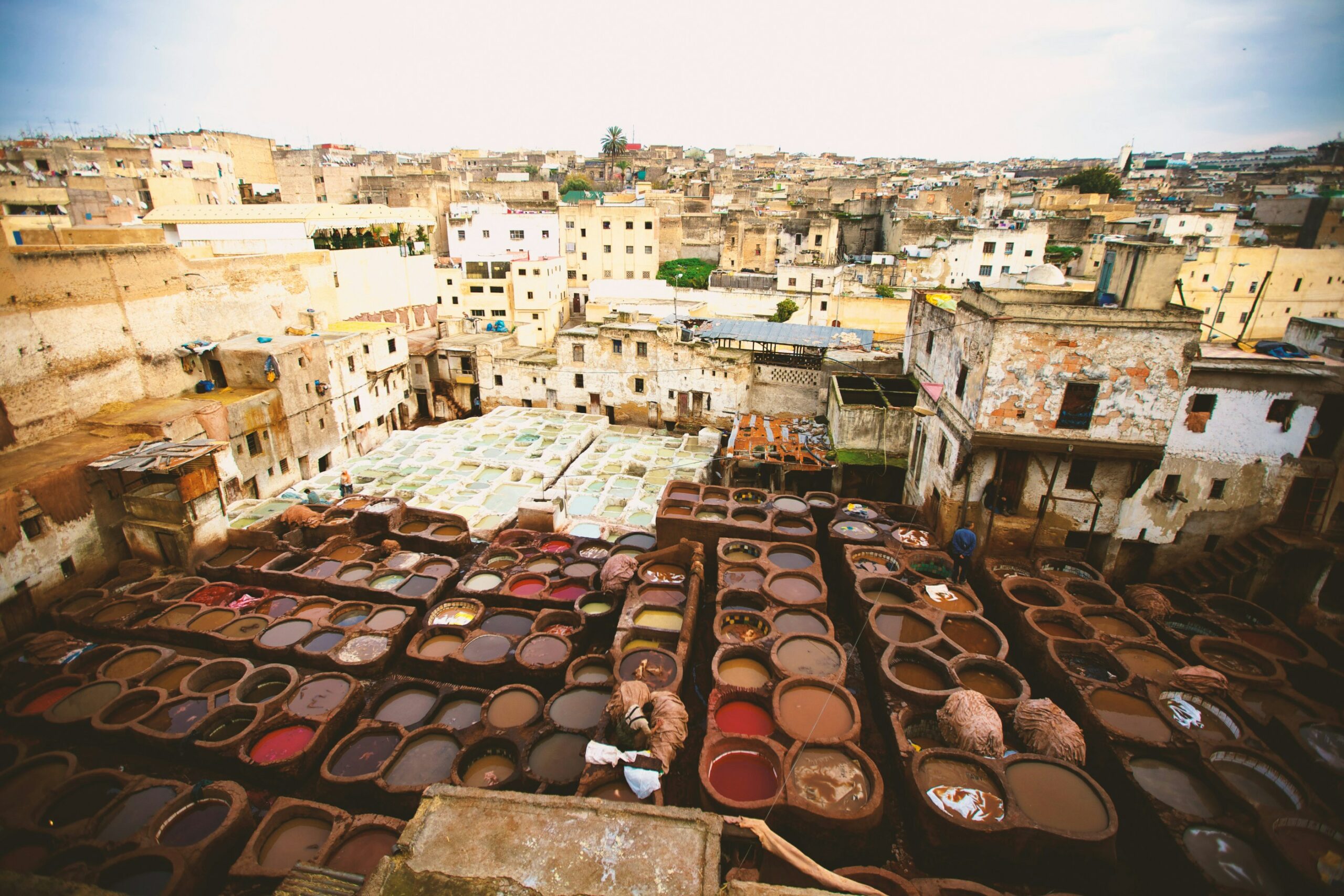
Unforgettable Things You’ll Experience Exploring the Marrakech Souks

Phone
+212 660 44 471

Contactyourtourguide@gmail.com

Office
1111 rue El,Rue koufa Essaouira 44000

Hours
Monday-Sunday:
24/7
For many travelers, the first true encounter with Marrakech does not happen inside a riad, a historical monument, or a luxury restaurant. It begins inside the souks.
The moment you step beyond the old alleyways of the Medina, the atmosphere changes completely. The air becomes warmer with the scent of spices and cedarwood. Voices overlap from every direction. Metalworkers hammer brass by hand. Merchants call out invitations from tiny shops overflowing with carpets, lanterns, leather bags, and handmade pottery.
The Marrakech souks are the living heart of the Medina and one of the most unforgettable cultural experiences in Morocco. They are a living ecosystem of memory, trade, craftsmanship, survival, and culture that has existed for centuries.
For first-time visitors, the experience can feel overwhelming at first. The narrow alleys seem endless. Scooters pass unexpectedly through crowded lanes. Colors compete for attention from every corner. But behind the apparent chaos lies a rhythm that locals understand instinctively.
To truly experience Marrakech, you must experience its souks.
Unlike modern shopping centers designed for convenience and speed, the souks are designed around human interaction. Here, buying something often begins with conversation, tea, storytelling, negotiation, and curiosity.
This is where Marrakech reveals its personality.
In this guide, we explore what a real morocco tour souk actually feels like beyond postcards and tourist clichés — from the sounds and scents to the craftsmanship and hidden cultural traditions that continue to shape daily life inside the Medina.
Unforgettable Things You’ll Experience Exploring the Marrakech Souks
What Exactly Is a Souk?
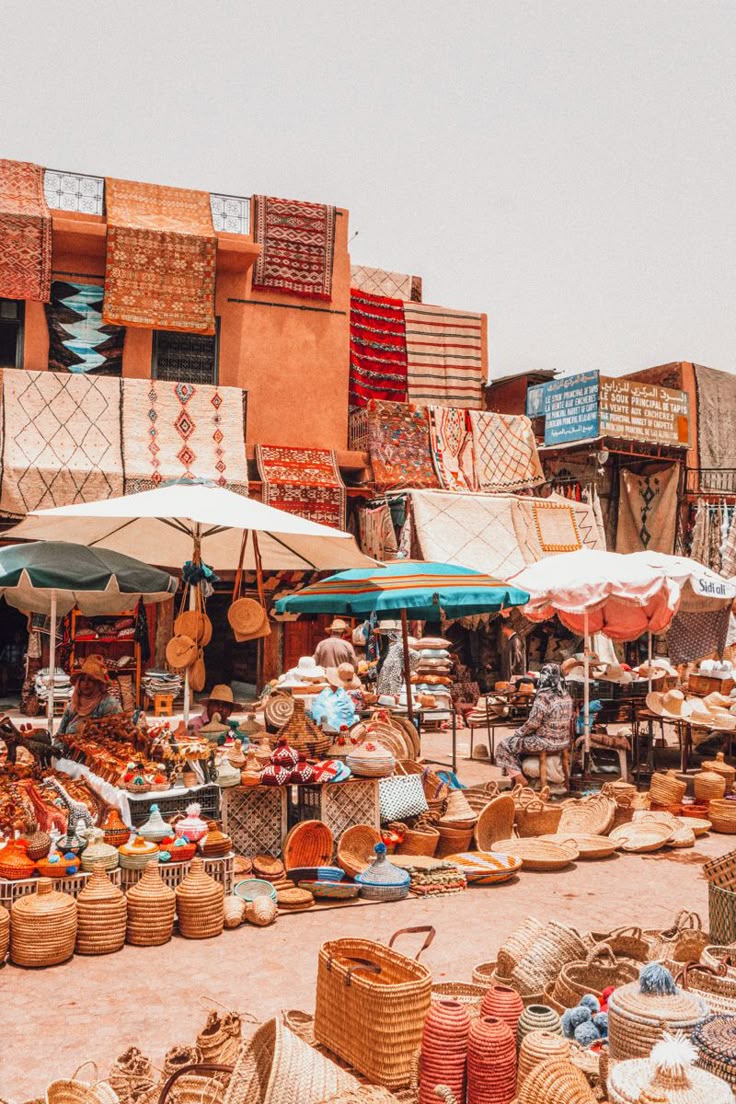
The word “souk” refers to a traditional marketplace found across North Africa and the Middle East. In Marrakech, the souks form a vast labyrinth inside the old Medina, with different sections historically organized by craft and trade.
Some streets specialize in leather goods. Others focus on carpets, spices, jewelry, lanterns, textiles, or woodwork.
Many artisans still work in small workshops directly behind their storefronts, using techniques passed down through generations.
The Marrakech souks date back centuries and remain one of the most important cultural and commercial centers in Morocco today.
Unlike many traditional markets around the world that became purely tourist attractions, the souks of Marrakech are still deeply connected to local life. Residents continue to shop here daily for clothing, cookware, spices, fabrics, slippers, household goods, and traditional products.
This balance between tourism and everyday Moroccan life is what gives the souks their authenticity.
The First Thing You Notice: The Sound of the Souks
The Marrakech souks are loud — but not in the modern urban sense.
There are no giant digital screens or organized background playlists. Instead, the soundscape is organic, layered, and constantly changing.
You hear:
- The rhythmic hammering of metalworkers shaping brass lanterns
- The hum of bargaining conversations
- Motorbikes weaving through narrow alleys
- Wooden carts rolling over ancient stones
- Shopkeepers greeting visitors in multiple languages
- Traditional Moroccan music drifting from hidden corners
- The distant call to prayer echoing above the Medina
At first, the noise feels chaotic.
But after spending time inside the souks, you begin to recognize patterns. Every alley has its own rhythm. Some areas are energetic and crowded, while others suddenly become calm and quiet.
The deeper you walk into the Medina, the more the experience feels immersive rather than overwhelming.
This is not a place designed to isolate people from one another.
The souks force interaction.
You make eye contact. You exchange greetings. You respond to movement and conversation. Even getting lost becomes part of the experience.
That human energy is impossible to recreate in modern commercial spaces.
The Smells of the Marrakech Souks: Spices, Leather, Mint Tea, and Cedarwood
One of the strongest memories travelers take home from Marrakech is not visual.
It is sensory.
The smells inside the souks constantly shift depending on where you walk.
Near spice shops, the air becomes rich with cumin, saffron, cinnamon, paprika, turmeric, and ras el hanout — Morocco’s famous spice blend.
In herbal stores, you smell dried roses, orange blossom, mint, lavender, and eucalyptus.
Near leather workshops, the scent changes again entirely.
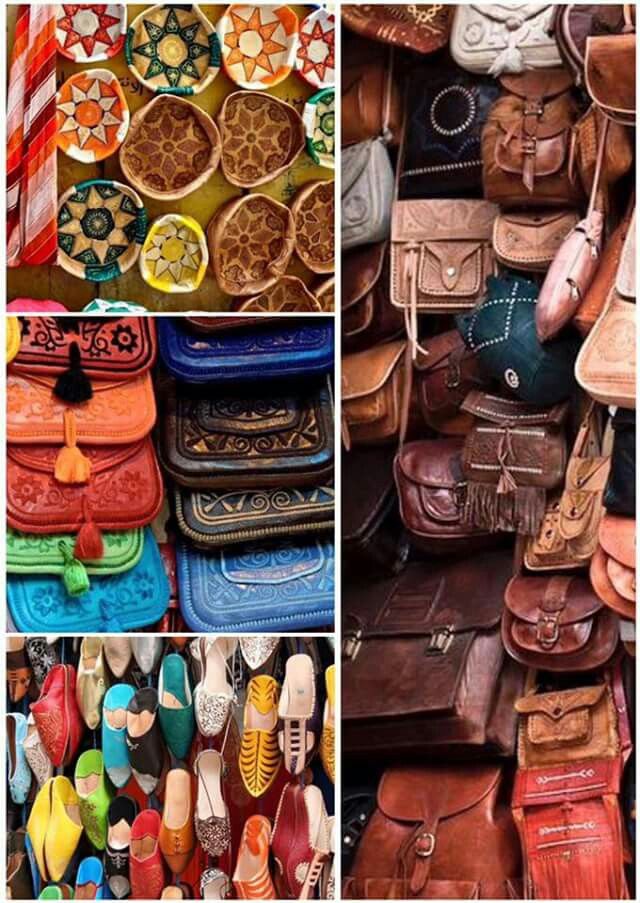
The famous Moroccan leather industry remains an important part of traditional craftsmanship, and many bags, slippers, belts, and poufs sold in Marrakech are still handmade.
Then suddenly, from a hidden café or riad doorway, comes the refreshing aroma of Moroccan mint tea.
Tea is not simply a drink in Morocco.
It is hospitality.
Many shopkeepers offer tea during conversations or negotiations. Accepting a glass often transforms a simple shopping interaction into a genuine cultural exchange.
And throughout the souks, one scent quietly ties everything together: cedarwood.
Many artisans use cedar for handmade boxes, furniture, and decorative objects. Its warm natural smell drifts softly through workshops hidden behind crowded alleys.
The result is a marketplace that feels alive through scent as much as sight.
Getting Lost Inside the Marrakech Souks Is Part of the Experience
Almost every traveler gets lost in the Marrakech souks.
And strangely, that is exactly how the experience becomes memorable.
The Medina is a maze of narrow alleyways, hidden courtyards, tiny workshops, rooftop cafés, and unexpected corners.
Google Maps often struggles inside the old city.
Street names are inconsistent, and many pathways look almost identical to newcomers.
But the beauty of the souks lies precisely in that unpredictability.
You may turn one corner expecting another line of shops and suddenly discover:
- An artisan carving wood by hand
- A hidden riad doorway covered in mosaic tiles
- A rooftop terrace overlooking the Medina
- A tiny bakery serving fresh msemen
- A quiet alley completely untouched by crowds
The Marrakech souks reward curiosity.
Unlike rigid tourist itineraries, wandering here creates spontaneous experiences.
Some of the best memories happen when you stop trying to navigate perfectly and simply allow the Medina to guide you.
Traditional Craftsmanship in the Marrakech Souks
Beyond the colors and atmosphere, the true soul of the Marrakech souks is craftsmanship.
Morocco has one of the richest artisan traditions in North Africa, and Marrakech remains one of the country’s most important creative centers.
Inside the souks, you can still find artisans working with methods that changed very little over generations.
Handmade Lanterns
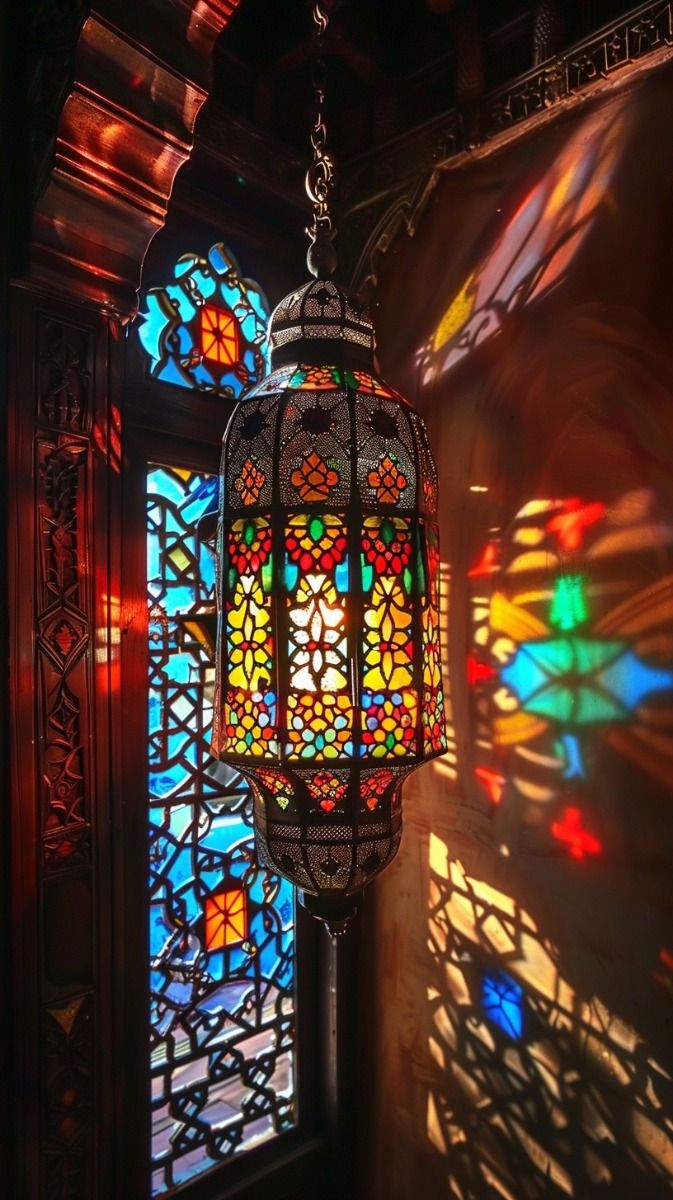
One of the most iconic symbols of Marrakech is the Moroccan lantern.
Artisans cut, shape, and perforate brass or metal sheets by hand to create intricate geometric patterns. At night, these lanterns cast beautiful shadows that transform riads and cafés into warm atmospheric spaces.
Moroccan Carpets
Moroccan rugs are not mass-produced decorations.
Many are handmade by Amazigh women from villages in the Atlas Mountains, with patterns that carry symbolic meanings connected to family, fertility, protection, or tribal identity.
Each carpet tells a story.
No two handmade rugs are truly identical.
Leatherwork
From slippers and handbags to belts and travel bags, Moroccan leather craftsmanship remains highly respected.
Natural dyes, hand stitching, and traditional tanning techniques continue to shape the industry today.
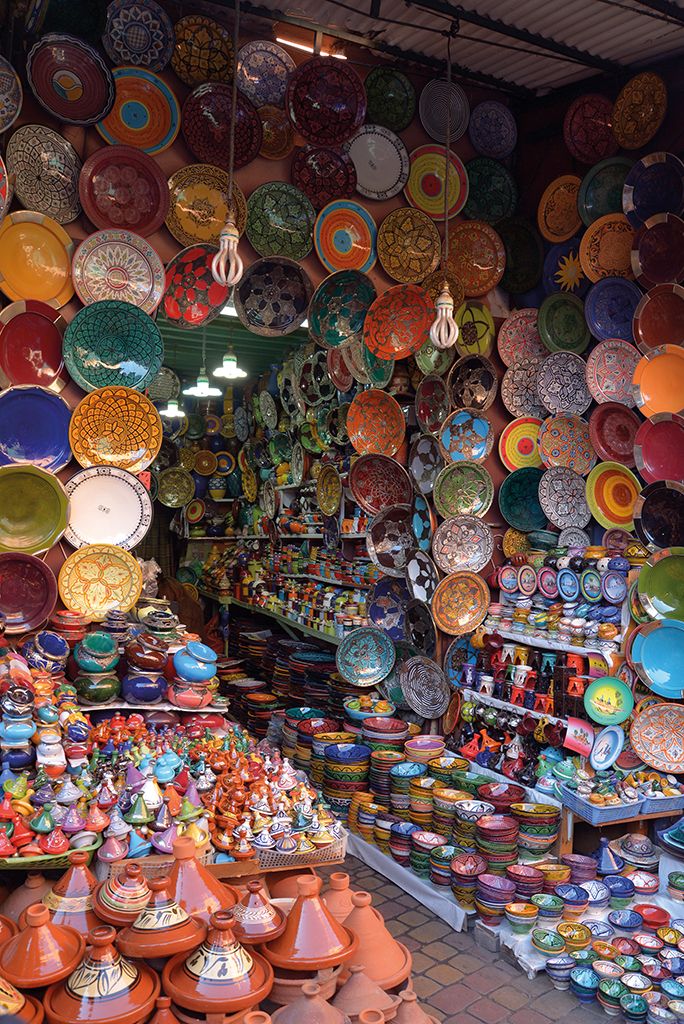
Pottery and Ceramics
The colorful ceramics seen across Marrakech reflect centuries of artistic tradition.
Bowls, tajines, plates, and decorative tiles often feature detailed hand-painted patterns inspired by Moroccan architecture and Islamic geometry.
Wood and Cedar Craftsmanship
Cedarwood artisans create beautifully carved boxes, tables, doors, and decorative objects using traditional techniques that require years to master.
When visitors buy directly from artisans, they support families and preserve skills that are increasingly threatened by industrial manufacturing.
Bargaining Is Cultural, Not Confrontational
For travelers unfamiliar with Moroccan culture, bargaining inside the souks can feel intimidating.
But negotiation is a normal and deeply rooted part of the shopping culture.
It is rarely aggressive.
In many cases, bargaining becomes a conversation rather than a conflict.
Experienced merchants understand that travelers often enjoy the interaction itself.
The key is approaching negotiations respectfully and with patience.
Some important things to remember:
- Avoid showing frustration
- Keep the atmosphere friendly
- Do not rush the conversation
- Be realistic with offers
- Understand that handmade products require time and skill
The goal is not to “win.”
A good negotiation ends with both sides satisfied.
In many ways, bargaining inside the souks reflects the broader culture of Marrakech itself: personal, social, and relationship-oriented.
The Difference Between Tourist Souks and Authentic Moments
Marrakech is one of the most visited destinations in Morocco, and naturally, tourism shapes parts of the Medina.
Some shops are highly commercialized.
Some products are mass-produced.
And yes, some interactions can feel overly focused on sales.
But authenticity still exists everywhere for travelers willing to slow down.
The most meaningful moments often happen when you:
- Visit quieter alleys away from the busiest streets
- Speak with artisans directly
- Ask questions about craftsmanship
- Explore in the morning before peak crowds
- Accept tea and conversation
- Return to shops without pressure
The real Marrakech souk experience is not about buying the most items.
It is about observation.
It is about human connection.
It is about understanding how centuries of trade, craftsmanship, and cultural exchange shaped the Medina into what it is today.
Food Inside the Souks: A Feast for the Senses
The Marrakech souks are not only visual and cultural experiences.
They are culinary experiences too.
As you explore the Medina, the smell of grilled meat, fresh bread, olives, spices, and pastries fills the air.
Food stalls and hidden local cafés offer travelers an opportunity to experience authentic Moroccan flavors beyond restaurant menus.
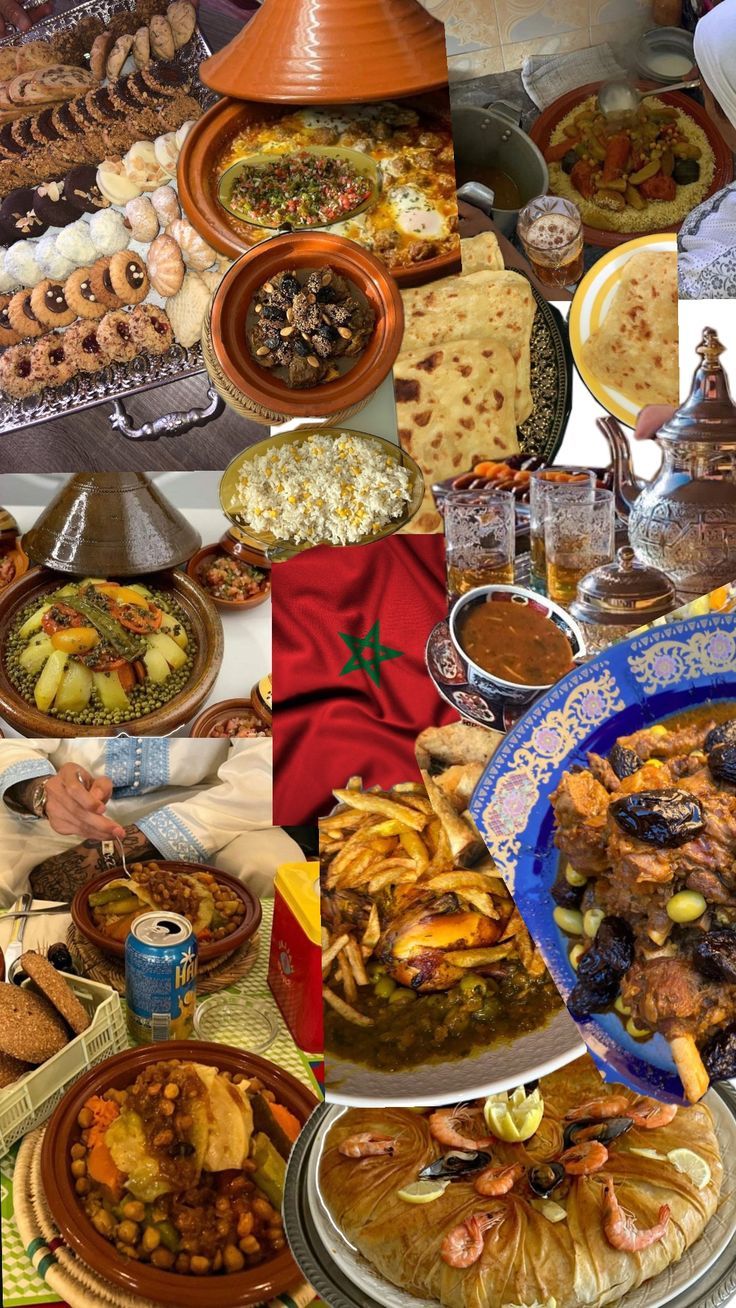
Popular foods you may encounter include:
Msemen
A layered Moroccan flatbread often served warm with honey, cheese, or tea.
Tagine
Morocco’s famous slow-cooked dish prepared with meat, vegetables, spices, olives, or preserved lemons.
Harira
A comforting traditional soup made with tomatoes, lentils, chickpeas, and herbs.
Fresh Orange Juice
Marrakech is famous for its fresh orange juice stands, especially near Jemaa el-Fna.
Moroccan Pastries
Small sweets made with almonds, honey, sesame, and orange blossom water.
Food inside the souks is deeply connected to hospitality and daily life.
Even simple meals often feel memorable because of the atmosphere surrounding them.
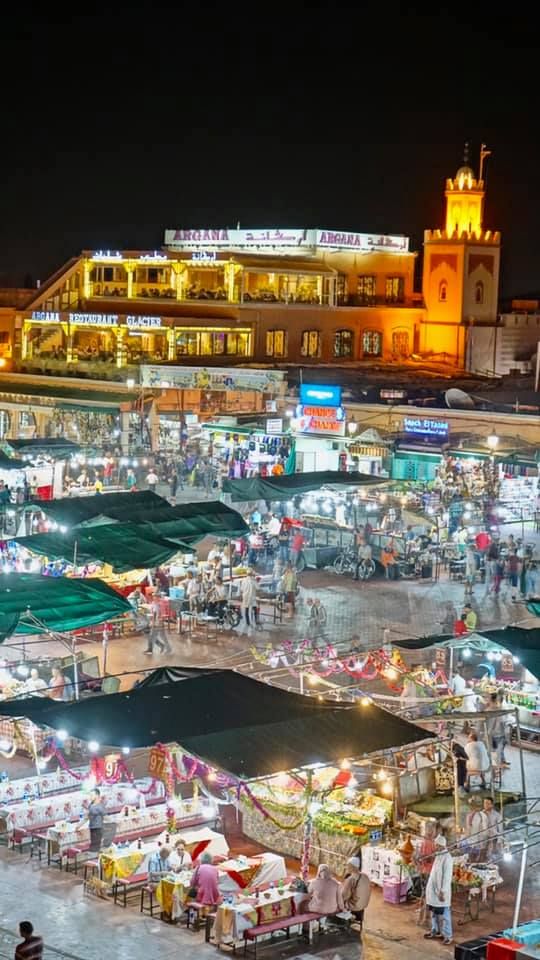
Jemaa el-Fna: The Gateway to the Souks
No exploration of the Marrakech souks is complete without experiencing Jemaa el-Fna.
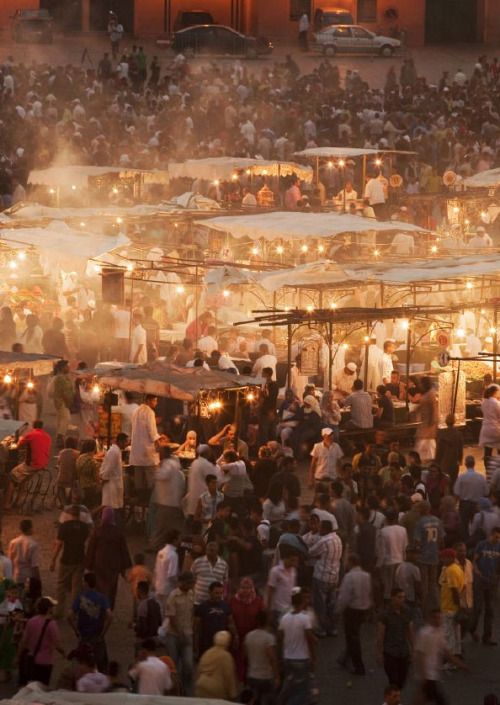
This legendary square acts as the beating heart of the Medina and the main entrance point to many souk alleyways.
During the day, the square feels energetic and chaotic.
At night, it transforms completely.
Food stalls appear everywhere. Smoke rises into the air. Musicians, performers, storytellers, and vendors create one of the most unique public atmospheres in Morocco.
For centuries, Jemaa el-Fna has served as a gathering place for trade, entertainment, and social life.
Today, it remains one of the most iconic cultural spaces in North Africa.
The square also provides a perfect starting point for guided walking tours that help visitors better understand the structure and history of the souks.
Why Guided Souk Tours Can Completely Change the Experience
Exploring alone can be exciting.
But many travelers discover that walking through the souks with a knowledgeable local guide completely transforms their understanding of Marrakech.
A good guide helps visitors:
- Understand the history of the Medina
- Learn about Moroccan craftsmanship
- Discover hidden workshops
- Avoid tourist traps
- Navigate complex alleyways
- Communicate with local artisans
- Experience authentic cultural moments
Without local knowledge, travelers often only see the surface level of the souks.
With guidance, the Medina becomes a story rather than simply a maze.
For travelers who want a deeper cultural experience, a walking tour through Marrakech can reveal parts of the city that most tourists never notice.
Photography in the Souks: Capturing Atmosphere Respectfully
The Marrakech souks are incredibly photogenic.
Every alley contains textures, colors, and scenes that feel cinematic.
But respectful photography matters.
Many artisans and local residents appreciate being asked before photographs are taken, especially inside workshops.
Some useful photography tips include:
- Visit early morning for softer light
- Respect privacy and personal space
- Focus on craftsmanship and details
- Explore quieter alleys for authentic scenes
- Capture textures, shadows, and colors rather than only crowds
The best images from Marrakech often come from observation rather than staged moments.
The Emotional Side of the Marrakech Souks
What makes the souks unforgettable is not only what you see.
It is how the experience makes you feel.
At first, the Medina may feel disorienting.
Then gradually, curiosity replaces confusion.
You begin noticing details:
The rhythm of footsteps. The changing light in narrow alleys. The warmth of tea. The patience of artisans. The call to prayer drifting across rooftops at sunset.
The souks remind travelers that travel is not only about monuments or checklists.
Sometimes the most powerful travel experiences happen in ordinary human spaces filled with movement, work, conversation, and culture.
The Marrakech souks feel alive because they are alive.
People are not performing culture for visitors.
They are living it.
Best Tips for Visiting the Marrakech Souks
To fully enjoy the experience, keep these practical tips in mind:
Visit Early or Late
Mornings and late afternoons are usually more comfortable than peak midday hours.
Wear Comfortable Shoes
The Medina involves extensive walking on uneven streets.
Carry Cash
Many small shops still prefer cash payments.
Stay Calm and Curious
The energy can feel intense initially, but patience makes the experience more enjoyable.
Explore Beyond Main Streets
The quieter alleys often reveal the most authentic moments.
Respect Local Culture
Simple greetings and respectful behavior create better interactions.
Consider a Guided Tour
Local insight can dramatically improve your understanding of the Medina.
Long after travelers leave Morocco, many discover that the Marrakech souks remain one of their strongest memories.
Not because they bought souvenirs.
But because the experience felt real.
The sounds, scents, craftsmanship, conversations, and beautiful unpredictability create something impossible to replicate elsewhere.
The souks are not polished.
They are not perfectly organized.
And that is precisely their beauty.
Inside the Medina, Marrakech reveals itself honestly — vibrant, chaotic, artistic, human, and deeply alive.
For travelers seeking more than surface-level tourism, walking through the souks becomes more than shopping.
It becomes a cultural immersion into the heart of Morocco itself.
Whether you spend one hour wandering the alleys or several days exploring hidden corners of the Medina, the experience leaves a lasting impression.
And perhaps that is the true magic of Marrakech.
Not that you fully understand it immediately.
But that part of it stays with you long after you return home.
Photo Gallerie