Is Boujloud the Moroccan Halloween? 9 Fascinating Differences Between These Unique Cultural Traditions

Phone
+212 660 44 471

Contactyourtourguide@gmail.com

Office
1111 rue El,Rue koufa Essaouira 44000

Hours
Monday-Sunday:
24/7
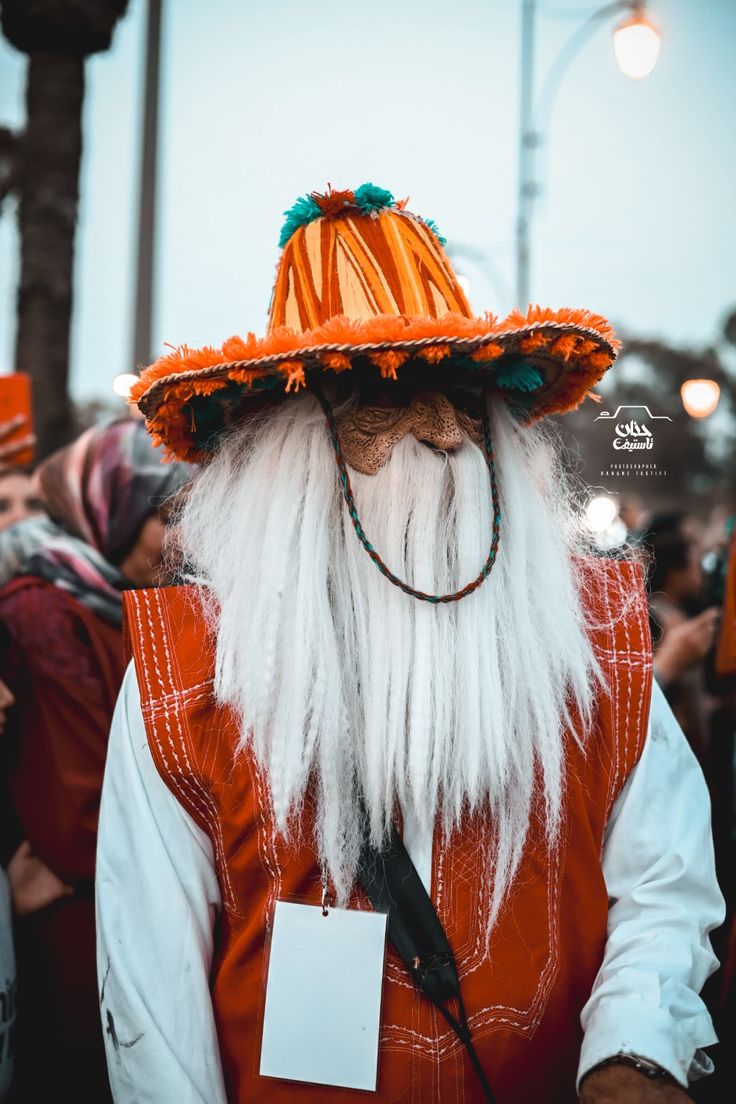
Every year, shortly after Eid al-Adha, colorful and mysterious figures begin appearing in villages and towns across southern Morocco. Covered in animal skins, wearing handmade masks, dancing through narrow streets, and entertaining crowds, they create a spectacle unlike anything most travelers have ever seen.
For many international visitors, the first reaction is often the same:
“Is this Morocco’s version of Halloween?”
At first glance, the comparison seems understandable. Both celebrations involve costumes, masks, public performances, and an atmosphere of excitement. Yet Boujloud and Halloween come from entirely different worlds.
Boujloud is deeply rooted in Amazigh culture and Moroccan folklore, while Halloween emerged from ancient Celtic traditions and evolved into one of the most popular holidays in North America and Europe.
So, is Boujloud really the Moroccan Halloween?
The short answer is no.
The longer answer is far more fascinating.
In this guide, we’ll explore the origins of Boujloud, explain its cultural significance, and reveal nine major differences that make this Moroccan tradition unique.
Is Boujloud the Moroccan Halloween?
What Is Boujloud?
Boujloud, sometimes called Bilmawen in Amazigh regions, is a traditional folk celebration found primarily in southern Morocco, especially around:
- Agadir
- Taroudant
- Tiznit
- Chtouka Ait Baha
- The Souss Valley
- Various villages in the High Atlas region
The celebration usually takes place during the days following Eid al-Adha.
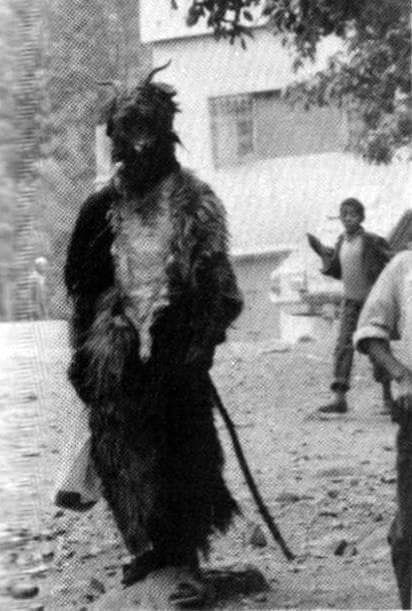
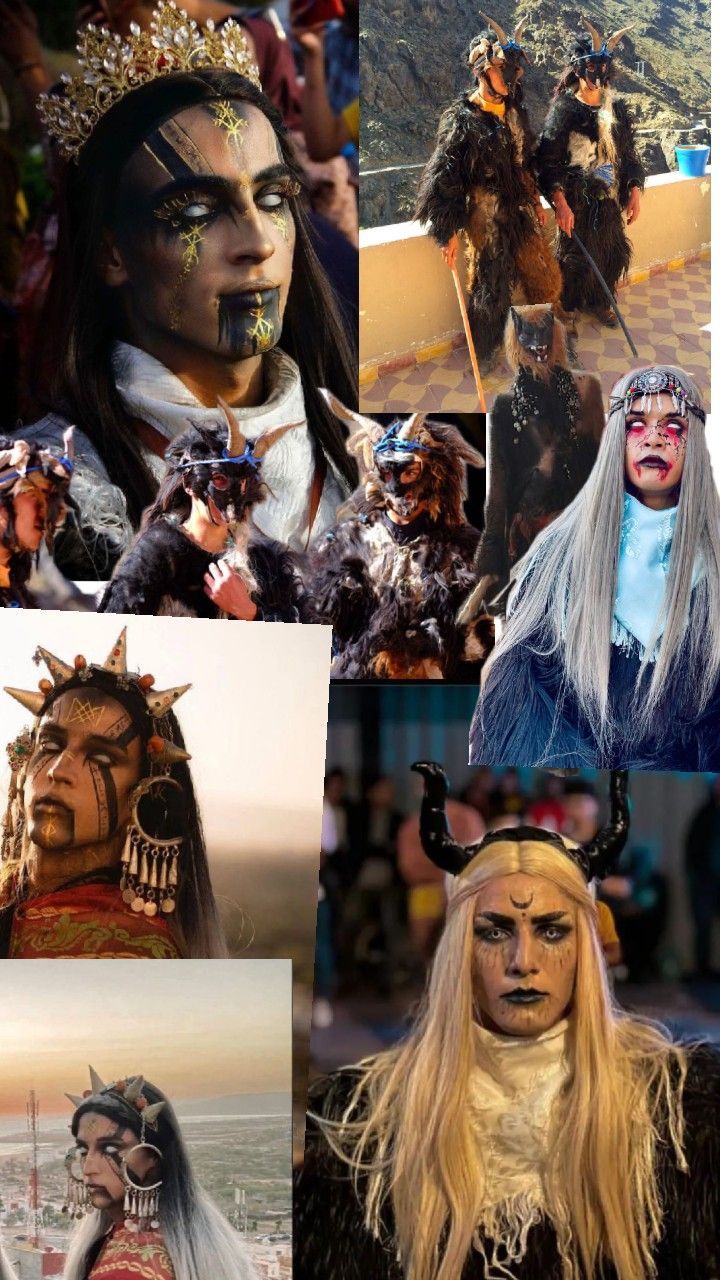
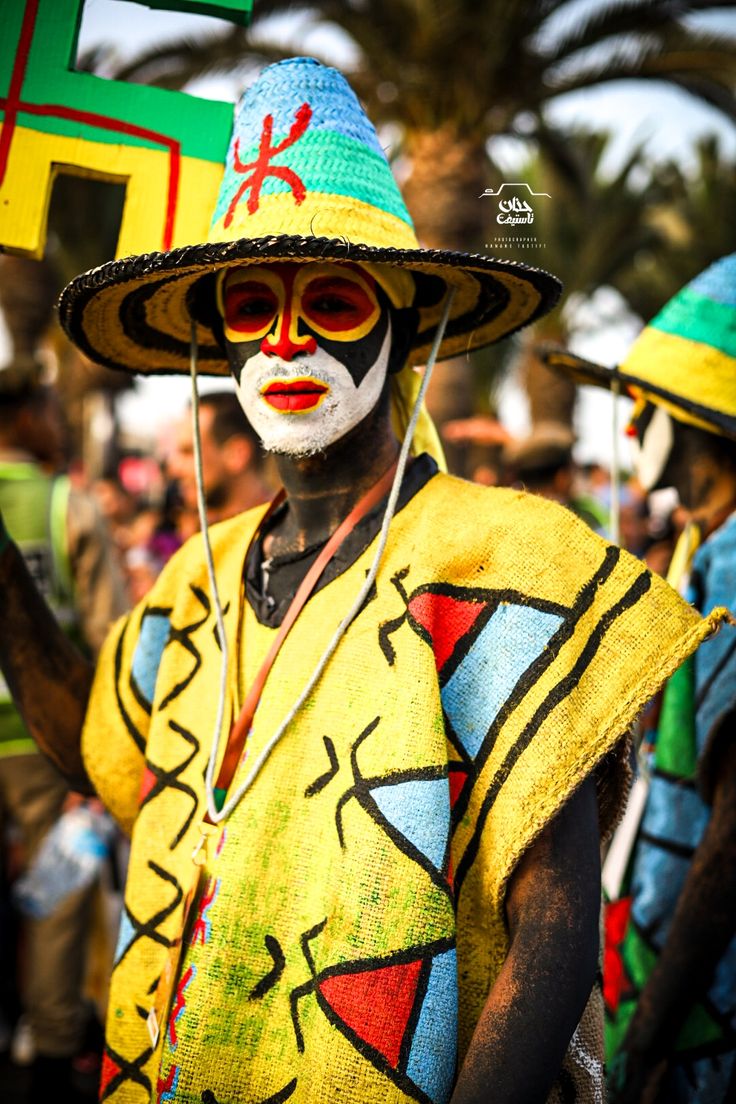
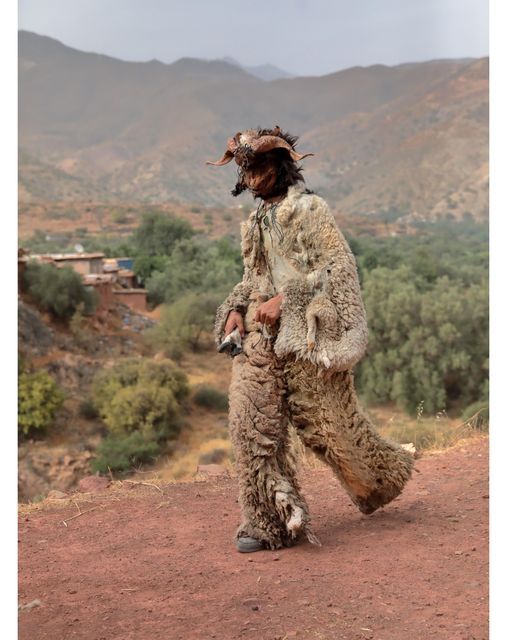
Participants dress in sheep or goat skins, wear masks, paint their faces, and parade through streets while dancing, drumming, and interacting with local communities.
The festival combines elements of:
- Amazigh heritage
- Agricultural symbolism
- Community entertainment
- Folk theater
- Ancient seasonal rituals
Although its exact origins remain debated among historians, many researchers believe Boujloud predates modern Moroccan history and may preserve elements of very old Amazigh cultural practices.
Today, it remains one of Morocco’s most intriguing living traditions.
Why Do People Compare Boujloud to Halloween?
The comparison usually comes from visible similarities.
Both celebrations feature:
- Costumes
- Masks
- Public performances
- Festive crowds
- Mysterious characters
- Strong cultural symbolism
Photos of Boujloud performers often spread online, leading many travelers to nickname it “Moroccan Halloween.”
However, once you look beyond appearances, the differences become much more significant than the similarities.
Let’s explore them.
1. Their Origins Come from Completely Different Civilizations
The biggest difference lies in their historical roots.
Boujloud’s Origins
Boujloud is connected to Amazigh cultural traditions that developed in North Africa long before modern nation-states existed.
Many scholars associate it with:
- Agricultural cycles
- Fertility symbolism
- Seasonal celebrations
- Community renewal
The tradition has evolved over centuries while remaining connected to local Moroccan identity.
Halloween’s Origins
Halloween traces its roots to the ancient Celtic festival of Samhain.
Samhain marked the transition between summer and winter and was believed to be a time when the boundary between the living and spiritual worlds became thinner.
Over time, Christian influences and modern commercial culture transformed Halloween into the holiday recognized today.
Key Difference: Boujloud is Amazigh and North African in origin, while Halloween emerged from Celtic Europe.
2. Boujloud Celebrates Community, Not Ghosts
One of the most common misconceptions is that Boujloud revolves around spirits or supernatural beings.
It does not.
Boujloud is primarily a community celebration.
Its focus includes:
- Public entertainment
- Cultural expression
- Music and dance
- Social gathering
- Traditional performance
Halloween, by contrast, often embraces themes involving:
- Ghosts
- Witches
- Skeletons
- Monsters
- Haunted settings
While Halloween celebrates mystery and the supernatural, Boujloud celebrates cultural identity and communal joy.
3. Animal Skins Hold Deep Symbolic Meaning
The costumes are perhaps the most recognizable aspect of Boujloud.
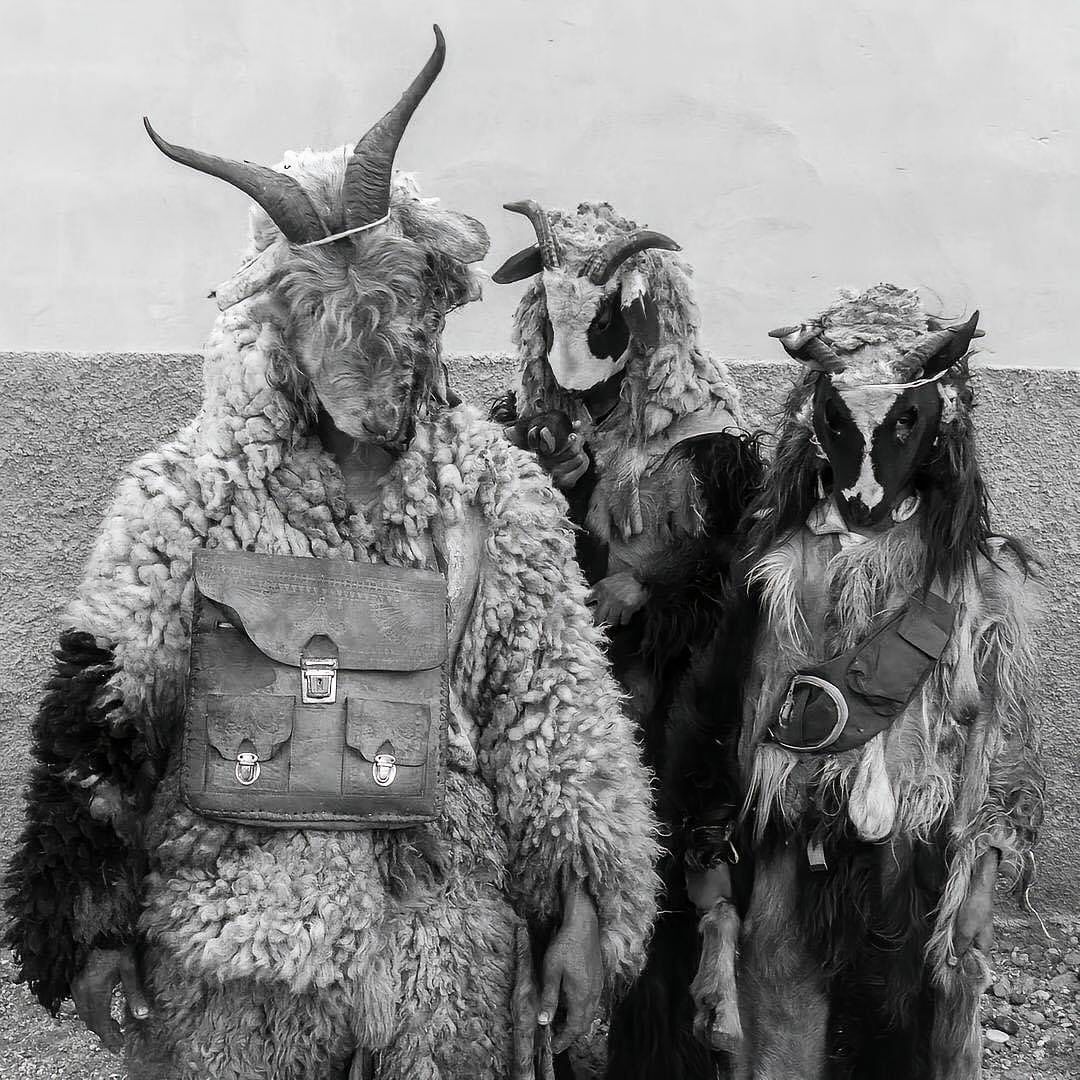
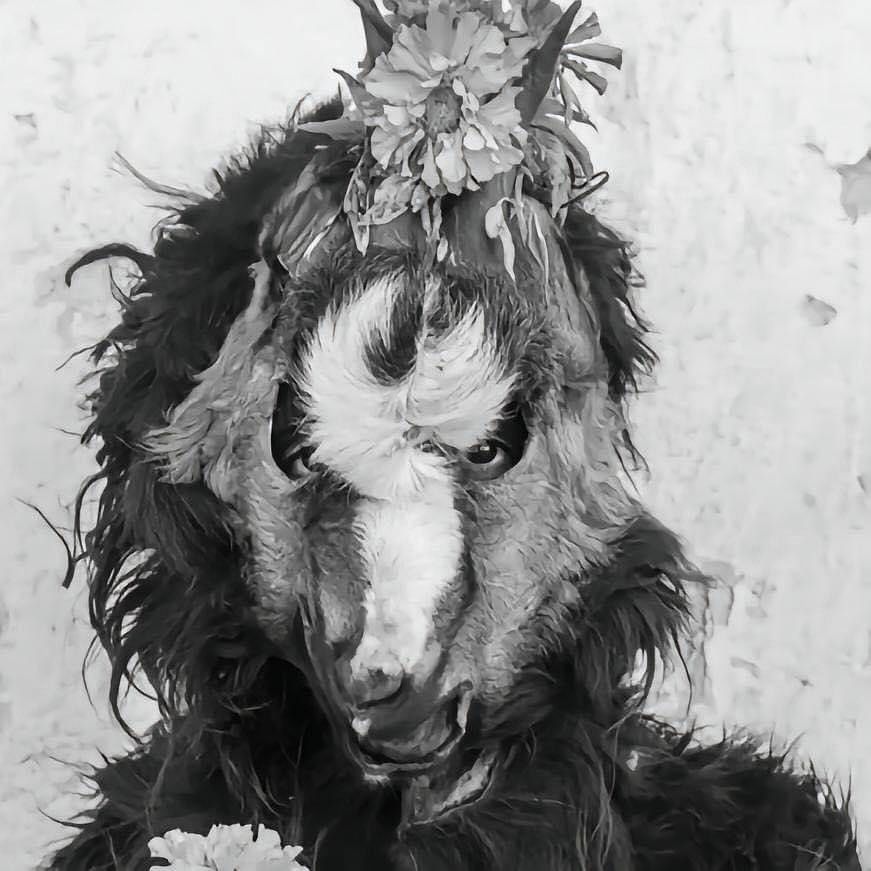
Participants traditionally wear:
- Sheep skins
- Goat skins
- Animal hides from Eid sacrifices
These materials are not chosen simply to look frightening.
They symbolize:
- Renewal
- Fertility
- Agricultural abundance
- Connections between humans and nature
Halloween costumes, on the other hand, are generally chosen for creativity, humor, fantasy, or horror.
Modern Halloween costumes can include anything from superheroes to movie characters.
Boujloud costumes remain closely tied to tradition and cultural symbolism.
4. The Timing of the Celebrations Is Completely Different
Halloween has a fixed date:
October 31st
Every year, regardless of country or region, Halloween takes place on the same day.
Boujloud follows a different rhythm.
The celebration occurs shortly after Eid al-Adha, meaning the timing changes each year according to the Islamic lunar calendar.
As a result, Boujloud may occur in different seasons depending on the year.
This connection to religious and cultural calendars reinforces its place within Moroccan society.
5. Music and Dance Are Central to Boujloud
A traveler attending Boujloud quickly notices the importance of music.
Traditional celebrations often include:
- Amazigh drums
- Rhythmic chanting
- Local songs
- Street performances
- Group dancing
Entire communities gather to watch and participate.
Halloween activities generally focus more on:
- Costume parties
- Trick-or-treating
- Haunted attractions
- Decorative displays
Music may be present during Halloween, but it is not usually the cultural centerpiece that it is during Boujloud.
6. Boujloud Is Rooted in Living Amazigh Heritage
Boujloud serves as an expression of Amazigh cultural continuity.
For many communities, the celebration helps preserve:
- Oral traditions
- Folk stories
- Traditional costumes
- Regional music
- Collective memory
Children observe older generations and learn customs that have been passed down for centuries.
Halloween today is largely a globalized commercial celebration that extends beyond its original cultural roots.
Boujloud remains deeply connected to local heritage and cultural transmission.
7. There Is No Trick-or-Treating Tradition
One of Halloween’s most famous customs is trick-or-treating.
Children visit homes asking for candy and treats.
Boujloud follows a very different model.
Instead of door-to-door candy collection, participants usually:
- Perform in public spaces
- Enter village squares
- Join community gatherings
- Interact with spectators
The emphasis is on performance and participation rather than collecting sweets.
This creates a more communal atmosphere where entire neighborhoods celebrate together.
8. Boujloud Reflects Rural and Agricultural Traditions
Historically, Boujloud emerged in communities where agriculture played a central role in daily life.
Many symbolic elements relate to:
- Livestock
- Seasonal cycles
- Fertility
- Prosperity
- Harvest expectations
Even today, traces of these rural origins remain visible in the costumes and rituals.
Halloween evolved within a different historical environment and eventually became strongly associated with urban and suburban celebrations.
Boujloud therefore offers visitors a glimpse into Morocco’s traditional relationship with land, animals, and community life.
9. Boujloud Is a Cultural Experience, Not a Commercial Holiday
Perhaps the most striking difference is commercialization.
Modern Halloween generates billions of dollars globally through:
- Costumes
- Decorations
- Candy sales
- Movies
- Theme parks
- Retail promotions
Boujloud remains largely community-driven.
Although some festivals now attract tourists and cultural organizations, the celebration still revolves around local participation rather than consumer spending.
Its authenticity is one reason many travelers find it so memorable.
Instead of purchasing an experience, visitors witness a living cultural tradition that continues to evolve while preserving its historical identity.
Where Can Travelers Experience Boujloud in Morocco?
While celebrations vary from region to region, some of the best places to encounter Boujloud include:
Agadir Region
The greater Agadir area hosts some of Morocco’s most vibrant Boujloud festivities, often attracting large crowds and performers.
Taroudant
Known for preserving traditional Amazigh culture, Taroudant offers an authentic atmosphere during Boujloud celebrations.
Tiznit
This historic city is another excellent destination for experiencing local traditions and folk performances.
Souss Valley Villages
Smaller villages often provide the most traditional and intimate Boujloud experiences.
Travelers interested in cultural tourism should consider exploring these regions with knowledgeable local guides who can explain the symbolism and history behind the festivities.
Why Boujloud Matters in Modern Morocco
In a rapidly globalizing world, traditional celebrations often face challenges.
Boujloud remains important because it helps preserve:
- Amazigh identity
- Community bonds
- Traditional arts
- Oral history
- Local customs
For younger generations, it serves as a bridge connecting modern life with ancestral heritage.
For visitors, it offers a rare opportunity to witness a cultural tradition that has survived centuries of social and historical change.
Tips for Travelers Attending Boujloud
If you plan to experience Boujloud during your Moroccan journey, keep these recommendations in mind:
Respect Local Customs
Remember that Boujloud is a cultural tradition, not a tourist attraction created solely for visitors.
Ask Before Taking Close-Up Photos
Most performers welcome photography, but asking permission is always appreciated.
Learn About Amazigh Culture
Understanding the broader Amazigh heritage makes the experience significantly more meaningful.
Visit Beyond Marrakech
Many of the most authentic celebrations occur in southern Morocco and rural communities.
Travel with Local Experts
A knowledgeable guide can provide valuable context that transforms the experience from simple observation into genuine cultural understanding.
The Verdict: Is Boujloud Really the Moroccan Halloween?
The comparison is understandable, but ultimately inaccurate.
While both celebrations involve costumes, masks, and public festivities, their meanings, origins, and cultural roles are fundamentally different.
Halloween emerged from ancient Celtic traditions and evolved into a global commercial holiday.
Boujloud developed from Amazigh cultural practices and remains a living expression of Moroccan heritage.
Rather than calling it the Moroccan Halloween, it may be more accurate to describe Boujloud as one of Morocco’s most fascinating folk traditions—a celebration where history, community, performance, and identity come together in a uniquely North African way.
For travelers seeking authentic cultural experiences beyond Morocco’s famous cities and monuments, witnessing Boujloud offers something unforgettable: a chance to connect with a tradition that continues to tell the story of Morocco’s rich Amazigh roots.
Boujloud and Halloween may share masks and costumes, but they represent two very different cultural worlds. One emerged from Celtic seasonal beliefs and evolved into a modern global holiday, while the other remains deeply rooted in Amazigh heritage, community life, and Moroccan folklore. Understanding these distinctions helps travelers appreciate Boujloud for what it truly is—not a Moroccan version of Halloween, but a unique cultural celebration with its own history, symbolism, and significance.
For those exploring Morocco beyond the usual tourist routes, experiencing Boujloud can be one of the most memorable encounters with local traditions. It reveals a side of the country where ancestral customs, music, storytelling, and community spirit continue to thrive. In a world where many traditions are fading, Boujloud stands as a vibrant reminder of Morocco’s rich cultural diversity and enduring Amazigh identity.
FAQ Section
Is Boujloud really the Moroccan Halloween?
Not exactly. Although both celebrations involve costumes and masks, Boujloud is an Amazigh cultural tradition rooted in Moroccan heritage, while Halloween comes from ancient Celtic customs.
When is Boujloud celebrated in Morocco?
Boujloud is usually celebrated in the days following Eid al-Adha. Since Eid follows the Islamic lunar calendar, the date changes every year.
What does Boujloud mean?
Boujloud literally translates to “the man of skins” and refers to participants who wear animal skins during the celebration.
Where can tourists experience Boujloud?
Travelers can witness Boujloud in regions such as Agadir, Taroudant, Tiznit, the Souss Valley, and some High Atlas villages.
Is Boujloud an Amazigh tradition?
Yes. Boujloud is strongly associated with Amazigh cultural heritage and remains one of Morocco’s most distinctive folk celebrations.
Photo Gallerie