Liquid Gold of Morocco: 11 Remarkable Facts About Argan Oil, Amazigh Heritage & Traditional Uses

Phone
+212 660 44 471

Contactyourtourguide@gmail.com

Office
1111 rue El,Rue koufa Essaouira 44000

Hours
Monday-Sunday:
24/7
Among Morocco’s many treasures—its vibrant souks, ancient kasbahs, majestic mountains, and golden deserts—few products have achieved global recognition quite like argan oil. Often called the “Liquid Gold of Morocco,” this precious oil has become a symbol of Moroccan heritage, natural beauty, and traditional craftsmanship.
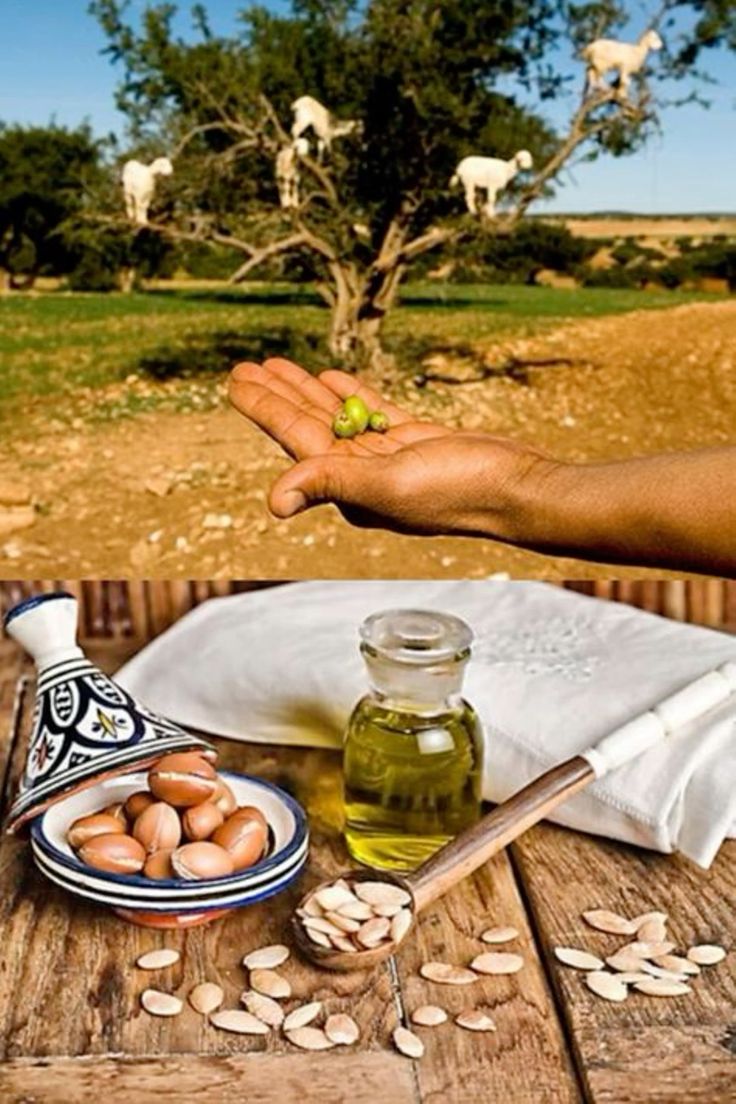
Visitors traveling through southwestern Morocco often encounter endless landscapes dotted with argan trees, some famously climbed by goats in search of fruit. Yet behind these iconic images lies a much deeper story. Argan oil is not simply a beauty product or a culinary ingredient. It is a living connection to Amazigh culture, rural traditions, and centuries of knowledge passed from one generation to another.
Today, Moroccan argan oil is celebrated worldwide for its nutritional value, cosmetic benefits, and sustainable production methods. However, understanding its true significance requires looking beyond the bottle.
In this guide, we explore eleven remarkable facts about argan oil, its Amazigh roots, and the traditional practices that have helped preserve this unique treasure of Morocco.
Exploring Argan Oil and Amazigh Heritage
What Is Argan Oil?
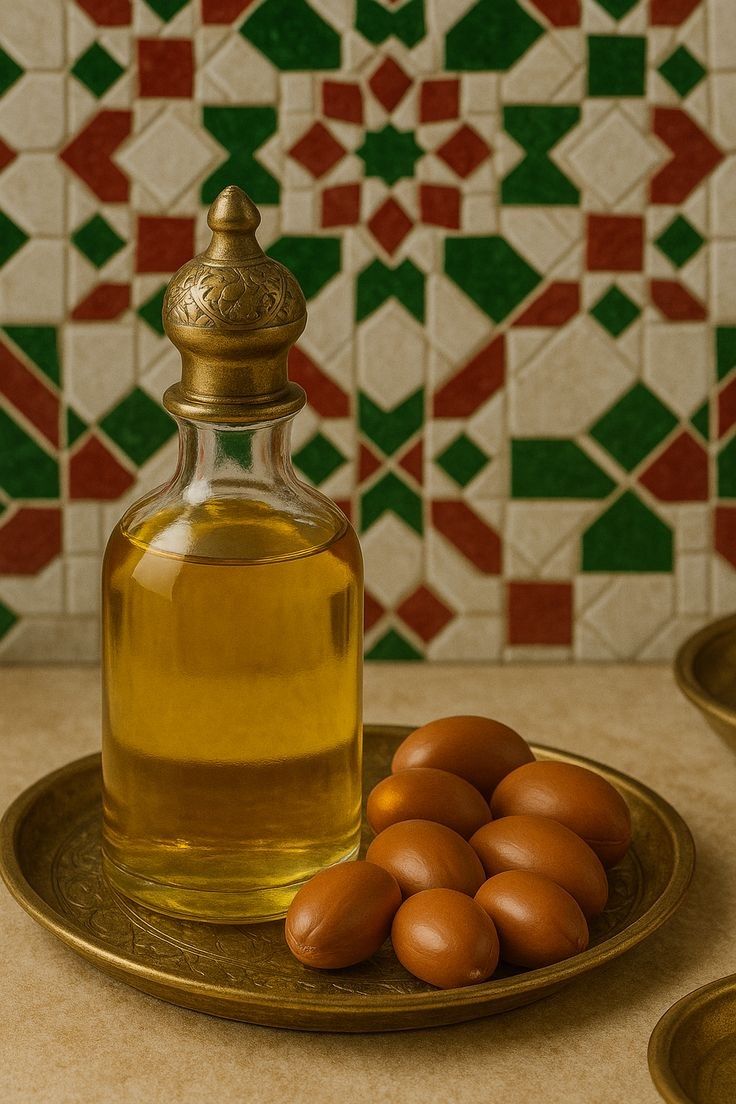
Argan oil is extracted from the kernels of the fruit produced by the argan tree (Argania spinosa), a species native almost exclusively to Morocco.
The tree grows primarily in the regions between:
- Essaouira
- Agadir
- Taroudant
- The Souss Valley
- Parts of the Anti-Atlas Mountains
For centuries, local communities have harvested argan fruit and transformed it into oil used for cooking, skincare, medicine, and daily life.
Today, the oil remains one of Morocco’s most valuable natural products and an important source of income for thousands of rural families.
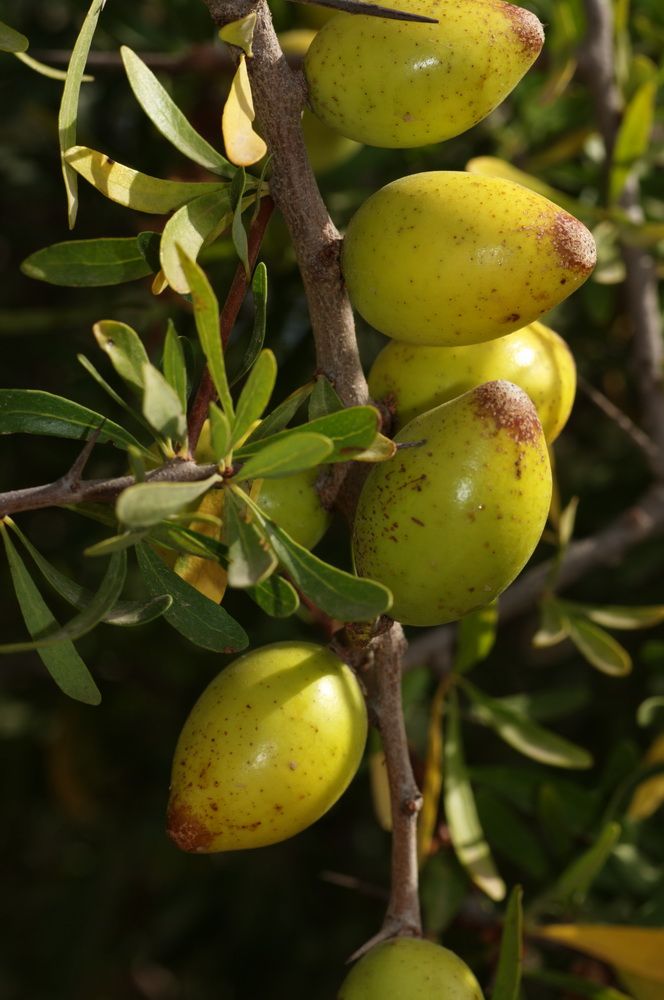
1. The Argan Tree Exists Naturally Almost Nowhere Else
One of the most remarkable facts about argan oil is the rarity of its source.
While many countries cultivate olive trees, almonds, or dates, the argan tree is naturally endemic to Morocco.
The unique climate of southwestern Morocco creates ideal conditions for the species to thrive:
- Hot summers
- Mild winters
- Limited rainfall
- Rocky terrain
Because of this exceptional ecosystem, Morocco holds a near-monopoly on naturally occurring argan forests.
This geographic exclusivity has helped make argan oil one of the world’s most distinctive natural products.
2. Argan Oil Has Deep Amazigh Roots
Long before argan oil became a global beauty trend, Amazigh communities relied on it as an essential part of daily life.
For centuries, families used argan oil for:
- Cooking
- Skin protection
- Hair care
- Traditional remedies
- Hospitality rituals
Knowledge about harvesting and extraction was traditionally passed down through generations, especially among women.
In many rural communities, argan oil remains closely connected to cultural identity and ancestral heritage.
Every bottle tells a story that stretches back hundreds of years.
3. Producing Argan Oil Requires Extraordinary Patience
Modern consumers often underestimate the amount of work involved in producing authentic argan oil.
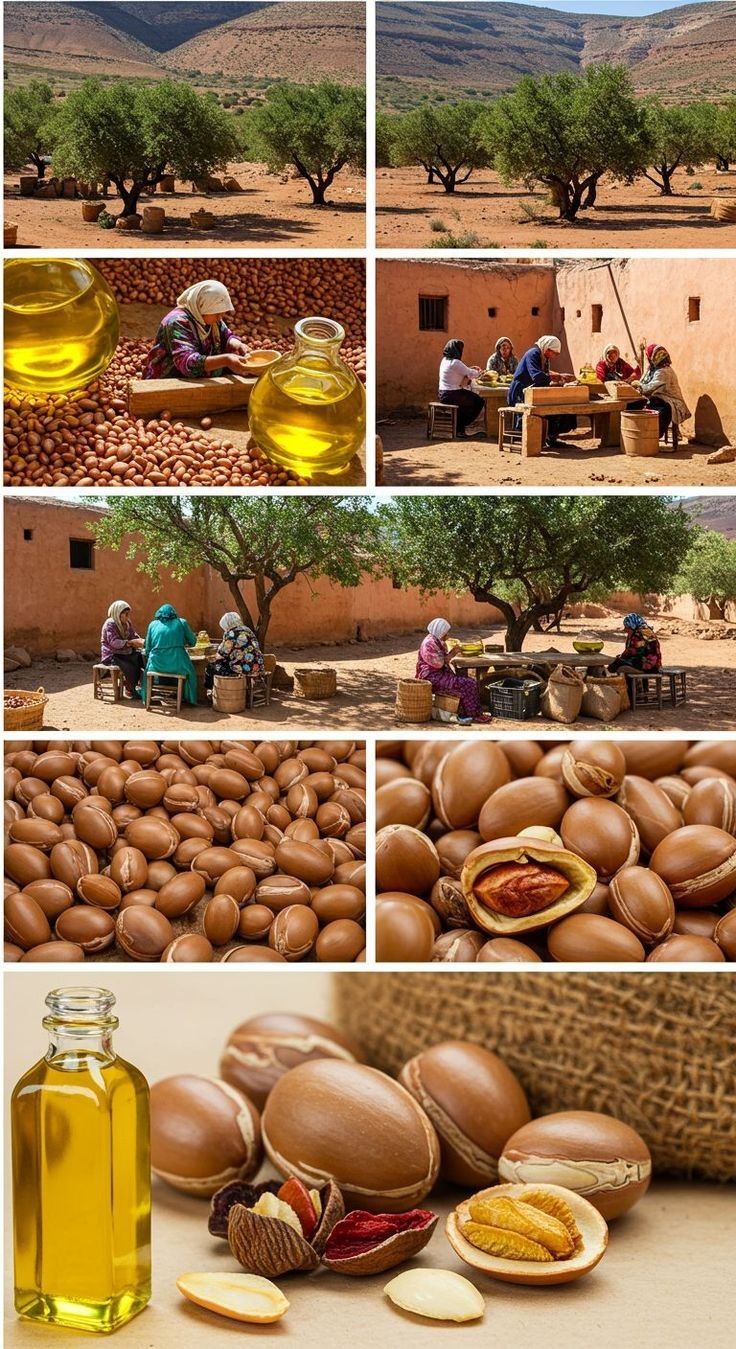
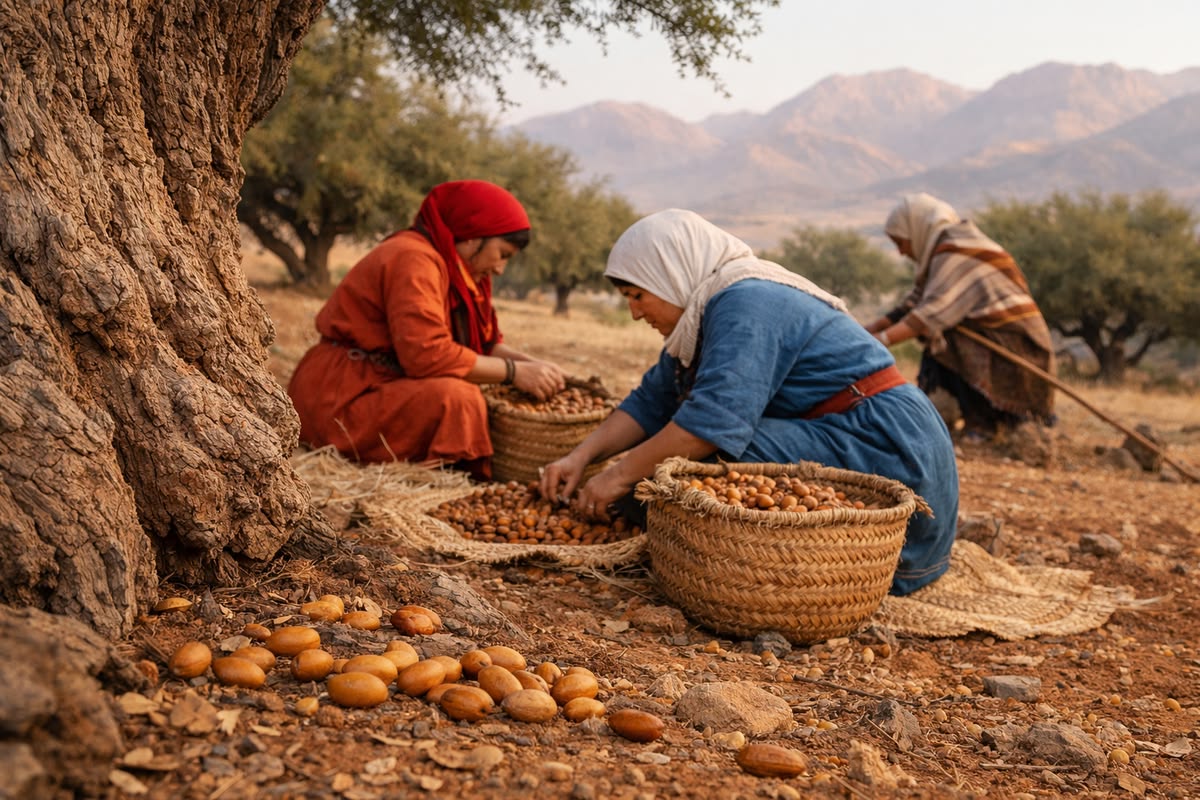
The process traditionally includes:
- Collecting ripe argan fruit
- Drying the fruit
- Removing the outer pulp
- Cracking extremely hard nuts by hand
- Extracting the kernels
- Grinding the kernels
- Pressing the oil
A single liter of oil may require dozens of kilograms of fruit and many hours of labor.
This intensive production process helps explain why genuine Moroccan argan oil is considered so valuable.
4. Women’s Cooperatives Help Preserve Tradition
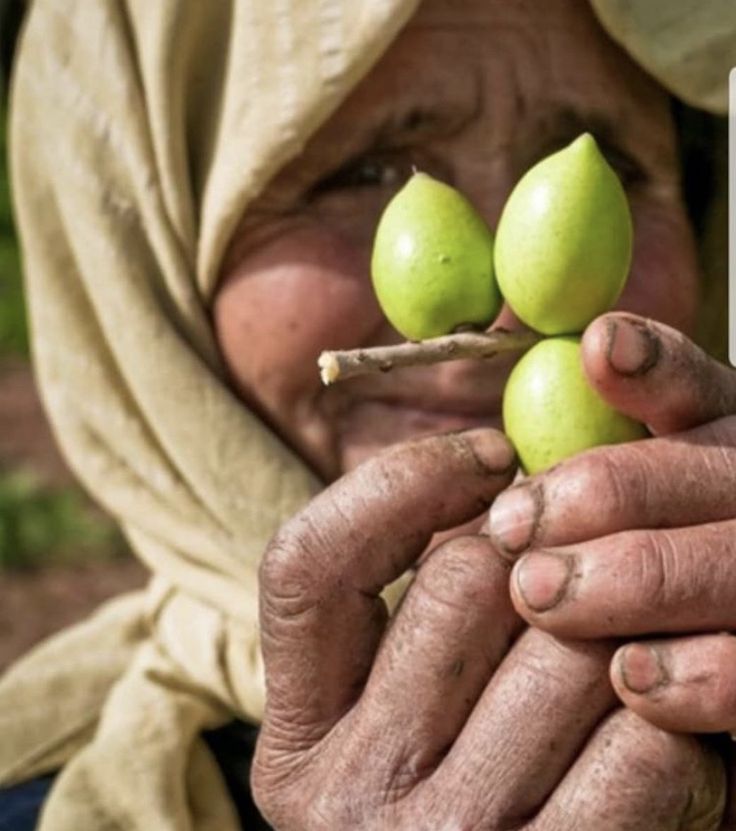
One of the most inspiring aspects of the argan industry is the role played by women’s cooperatives.
Across southwestern Morocco, thousands of women work in cooperatives dedicated to producing high-quality argan oil.
These organizations provide:
- Employment opportunities
- Financial independence
- Skills development
- Community support
- Cultural preservation
For many visitors, touring an argan cooperative becomes one of the highlights of a Moroccan journey.
It offers a firsthand look at how traditional knowledge continues to shape modern livelihoods.
5. Culinary Argan Oil and Cosmetic Argan Oil Are Different
Many travelers are surprised to learn that not all argan oil is produced in the same way.
Culinary Argan Oil
For culinary use, the kernels are lightly roasted before pressing.
This creates a rich, nutty flavor often compared to hazelnuts or toasted almonds.
Cosmetic Argan Oil
For cosmetic applications, the kernels are not roasted.
The resulting oil has a lighter aroma and is primarily used for skincare and hair care.
Understanding this distinction helps visitors choose authentic products during their travels in Morocco.
6. Amlou Is Morocco’s Beloved Argan-Based Delicacy
One of the most delicious traditional uses of argan oil is found in a spread known as Amlou.
Made from:
- Argan oil
- Ground almonds
- Honey
Amlou is often served at breakfast alongside traditional Moroccan bread.
Rich, nutritious, and deeply rooted in Amazigh culinary traditions, it remains a favorite in many households across southern Morocco.
For food-loving travelers, tasting authentic Amlou is an experience not to miss.
7. Argan Forests Support Unique Biodiversity
The argan ecosystem supports much more than oil production.
Argan forests provide habitat for:
- Birds
- Reptiles
- Small mammals
- Native plant species
The trees also play a crucial environmental role by helping prevent:
- Soil erosion
- Desertification
- Land degradation
Their deep roots stabilize fragile landscapes and support ecological balance across large parts of southwestern Morocco.
8. UNESCO Recognizes the Importance of the Argan Region
The ecological and cultural value of the argan landscape has gained international recognition.
The argan-growing region has been acknowledged for its importance as a unique biosphere area where human traditions and environmental conservation coexist.
This recognition highlights the global significance of preserving both the forests and the cultural practices associated with them.
For Morocco, argan oil represents not only an economic resource but also a symbol of sustainable heritage.
9. Argan Oil Has Been Used for Beauty for Generations
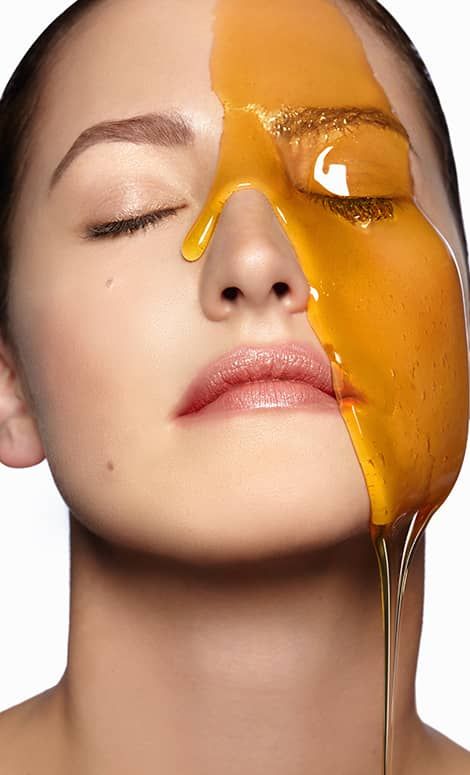
Long before international beauty brands discovered argan oil, Moroccan women had already incorporated it into daily skincare routines.
Traditionally, it was used to:
- Moisturize the skin
- Protect against dry climates
- Nourish hair
- Support healthy nails
Its popularity today reflects a continuation of practices that have existed for generations rather than a modern invention.
10. The Famous Goats in Argan Trees Tell a Unique Story
Few images are more closely associated with Morocco than goats standing in argan trees.
Travelers often encounter this unusual sight while traveling between Agadir and Essaouira.
The goats climb the trees to eat the fruit, demonstrating the adaptability of both the animals and the argan ecosystem.
Although the image has become a tourist attraction, it also reflects the close relationship between local communities, livestock, and the natural environment.
11. Argan Oil Remains One of Morocco’s Most Important Cultural Symbols
More than a cosmetic product or culinary ingredient, argan oil represents Morocco itself.
It embodies:
- Amazigh heritage
- Traditional craftsmanship
- Sustainable living
- Rural resilience
- Cultural continuity
For visitors, learning about argan oil offers a deeper understanding of Morocco’s history, landscapes, and people.
It transforms a simple souvenir into a meaningful cultural connection.
Where Can Travelers Discover Argan Oil in Morocco?
The best places to learn about argan oil include:
Essaouira
Known for its coastal charm and nearby argan forests.
Agadir
A major gateway to the Souss region and numerous cooperatives.
Taroudant
A historic city surrounded by traditional argan-producing communities.
The Road Between Agadir and Essaouira
One of the most scenic routes for observing argan landscapes and visiting local producers.
Many travelers combine these destinations with broader cultural tours that explore Morocco’s Amazigh heritage and rural traditions.
Why Argan Oil Is More Than Morocco’s Liquid Gold
The phrase “Liquid Gold of Morocco” is often used to describe argan oil’s economic value. Yet its true worth goes much deeper.
Argan oil preserves ancestral knowledge, supports rural communities, empowers women, and protects unique ecosystems. It connects the past with the present and demonstrates how traditional practices can remain relevant in a rapidly changing world.
For travelers seeking authentic cultural experiences, the story of argan oil provides a fascinating window into the heart of Morocco.
Argan oil is much more than a famous Moroccan export. It is a product shaped by nature, history, and Amazigh tradition. From the rare argan forests of southwestern Morocco to the skilled hands that transform fruit into precious oil, every stage of its journey reflects centuries of cultural heritage.
Whether enjoyed in a traditional breakfast, discovered in a women’s cooperative, or appreciated for its beauty benefits, argan oil remains one of Morocco’s most remarkable treasures. For anyone exploring the country, understanding the story behind this liquid gold offers a richer and more meaningful connection to Morocco’s landscapes, traditions, and people.
FAQ Section
Why is argan oil called the liquid gold of Morocco?
Argan oil is often called the “liquid gold of Morocco” because of its rarity, high value, and numerous uses. Produced almost exclusively in Morocco, it has been treasured for centuries for its culinary, cosmetic, and cultural significance.
Where does Moroccan argan oil come from?
Moroccan argan oil comes from the kernels of the argan tree (Argania spinosa), which grows mainly in southwestern Morocco, particularly around Essaouira, Agadir, Taroudant, and the Souss Valley.
What is the difference between culinary argan oil and cosmetic argan oil?
Culinary argan oil is made from roasted kernels, giving it a rich, nutty flavor used in traditional Moroccan dishes. Cosmetic argan oil is produced from unroasted kernels and is primarily used for skincare, hair care, and beauty treatments.
How do Amazigh communities traditionally use argan oil?
Amazigh communities have used argan oil for generations in cooking, skincare, hair care, traditional remedies, and hospitality customs. It remains an important part of daily life and cultural heritage in many regions of Morocco.
Can travelers visit argan oil cooperatives in Morocco?
Yes. Many visitors explore women’s argan oil cooperatives near Agadir, Essaouira, and the Souss Valley. These visits offer an opportunity to learn about traditional production methods and the cultural importance of argan oil.
What is Amlou?
Amlou is a traditional Amazigh spread made from argan oil, almonds, and honey. Often served with Moroccan bread, it is considered one of the most famous delicacies of southern Morocco.
Are argan forests unique to Morocco?
Yes. The argan tree is naturally endemic to Morocco, making the country’s argan forests one of the world’s most unique ecosystems. These forests also play an important role in protecting biodiversity and preventing desertification.
Is Moroccan argan oil a good souvenir to bring home?
Absolutely. Authentic Moroccan argan oil is one of the country’s most popular souvenirs. Purchasing from reputable cooperatives or certified producers helps support local communities and ensures product quality.
Photo Gallerie