Ahwach in Morocco: 11 Powerful Facts About Amazigh History, Symbolism & Social Expression

Phone
+212 660 44 471

Contactyourtourguide@gmail.com

Office
1111 rue El,Rue koufa Essaouira 44000

Hours
Monday-Sunday:
24/7
Morocco is a country where music, poetry, and collective celebration are deeply woven into everyday life. Across the mountains, valleys, and desert regions of southern Morocco, one cultural tradition continues to captivate visitors with its energy, symbolism, and powerful sense of community: Ahwach.
More than a performance, Ahwach is a living expression of Amazigh identity. It combines music, dance, poetry, storytelling, and social interaction into a vibrant cultural experience that has endured for centuries. Whether performed during weddings, harvest celebrations, religious festivals, or community gatherings, Ahwach remains one of Morocco’s most fascinating cultural traditions.
For travelers seeking authentic experiences beyond Morocco’s famous monuments and landscapes, witnessing an Ahwach performance offers a rare opportunity to connect with the country’s cultural soul. The rhythmic drumbeats, synchronized movements, and poetic exchanges reveal a rich heritage that continues to thrive in Amazigh communities today.
In this article, we explore the history of Ahwach, its symbolism, social importance, and why it remains one of the most powerful forms of Amazigh cultural expression in Morocco.
What Is Ahwach?
Ahwach is a traditional Amazigh collective performance that combines music, dance, chanting, and improvised poetry. It is most commonly found in southern Morocco, particularly in the regions surrounding the High Atlas Mountains, Anti-Atlas Mountains, Souss Valley, and parts of the Sahara.
Unlike staged performances designed purely for entertainment, Ahwach serves important social and cultural functions. It brings communities together, strengthens social bonds, preserves oral traditions, and provides a platform for artistic expression.
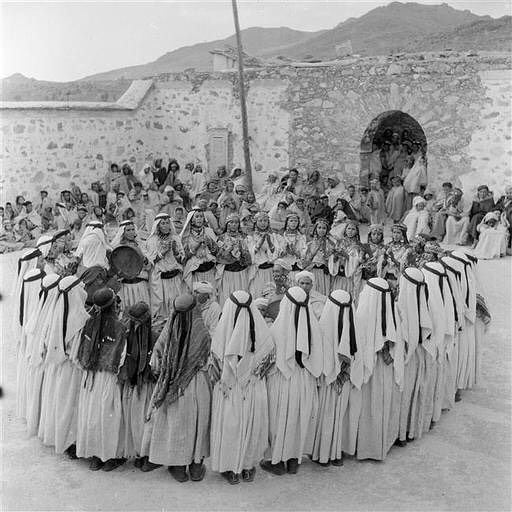
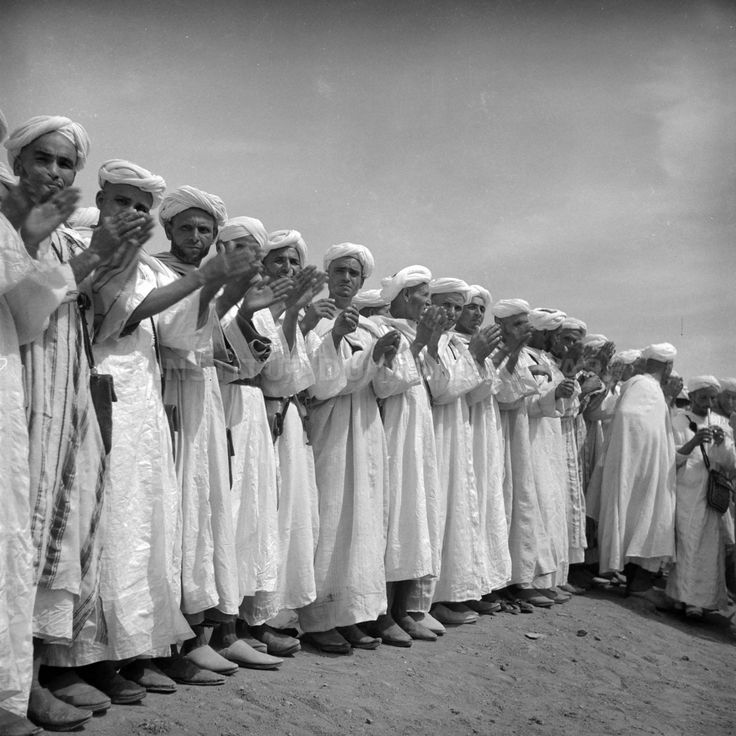
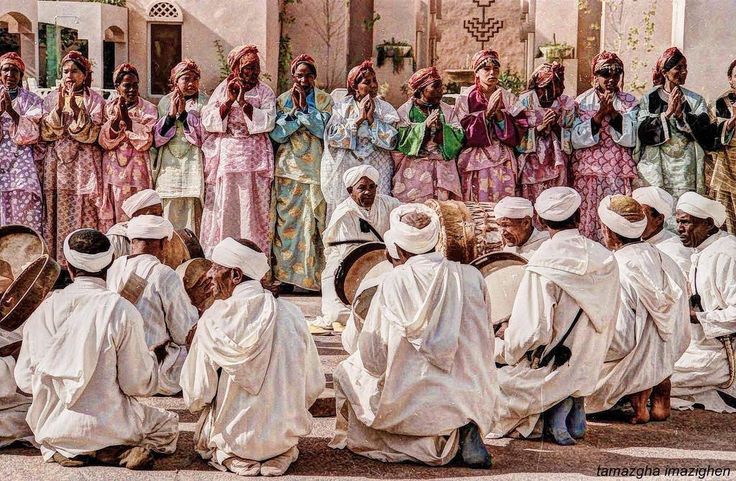
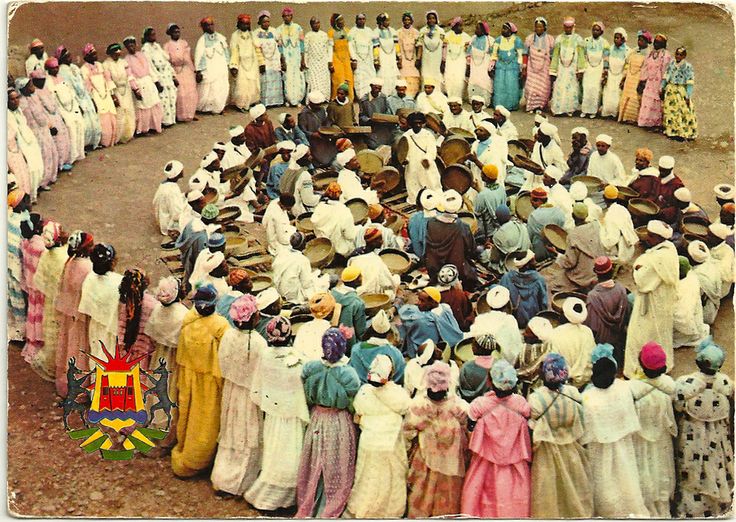
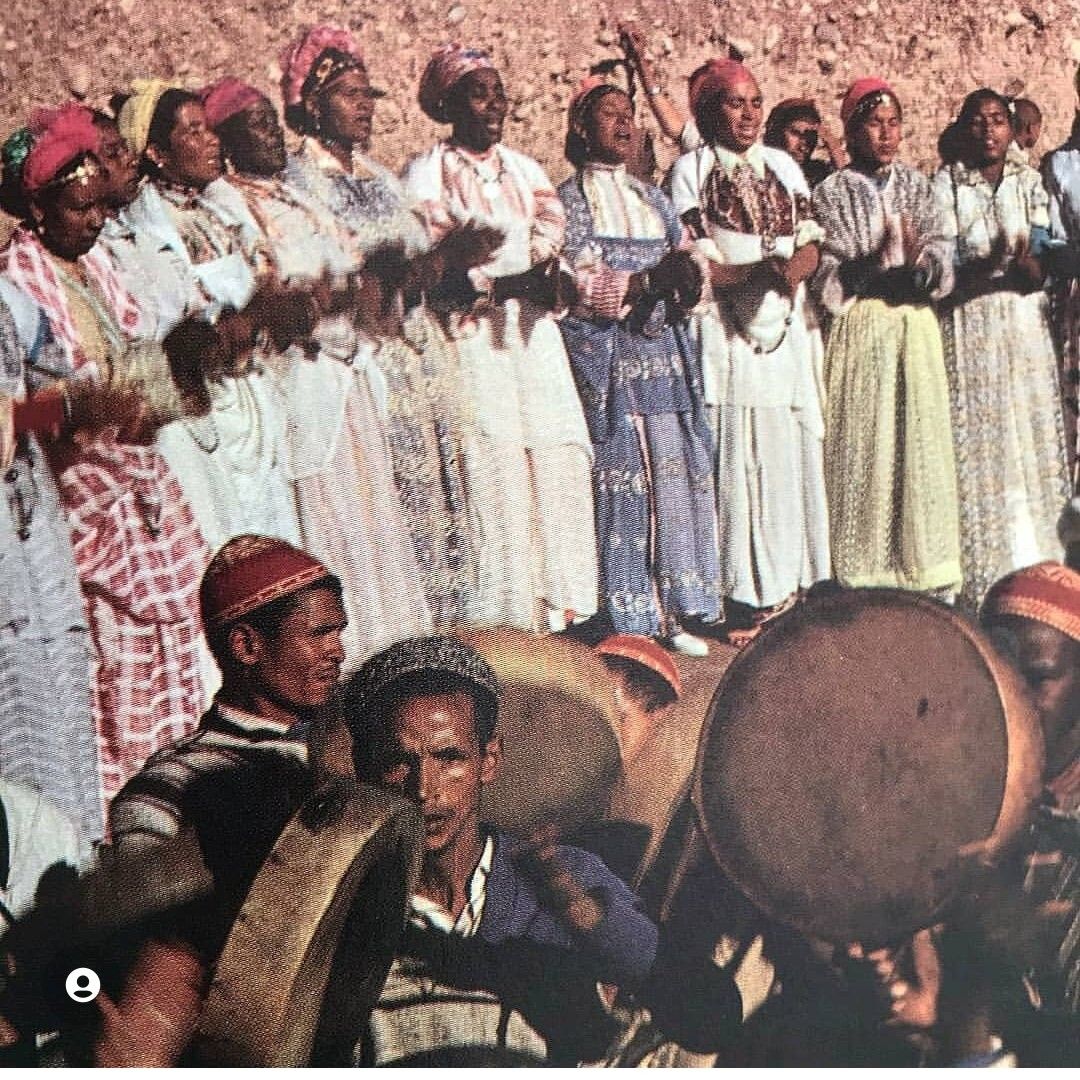
An Ahwach gathering often features large groups of men and women standing in organized formations. Accompanied by drums and rhythmic clapping, participants chant poetic verses while performing synchronized movements. The result is both visually striking and emotionally powerful.
For many Amazigh communities, Ahwach is not simply a cultural performance—it is a celebration of identity, memory, and collective belonging.
The Ancient Origins of Ahwach
A Tradition Rooted in Amazigh History
The origins of Ahwach stretch back centuries, long before the modern Moroccan state emerged. While exact dates remain difficult to determine, historians generally agree that the tradition evolved within Amazigh communities of southern Morocco as a means of social communication and cultural preservation.
Before widespread literacy, poetry and oral storytelling played essential roles in transmitting knowledge. Communities used songs, chants, and performances to preserve history, customs, and values across generations.
Ahwach became one of the most effective tools for maintaining collective memory. Through poetic exchanges and communal participation, important stories could survive for centuries.
Oral Culture and Community Memory
The Amazigh people developed rich oral traditions that allowed cultural knowledge to flourish even in remote mountain and desert regions.
Poets and performers became guardians of collective memory. Their verses preserved:
- Historical events
- Tribal alliances
- Moral lessons
- Religious values
- Love stories
- Social customs
As a result, Ahwach evolved into both an artistic performance and an educational institution within Amazigh society.
The Meaning Behind the Name Ahwach
The word “Ahwach” refers to a collective gathering characterized by singing, dancing, and poetic performance. Although regional interpretations vary, the concept consistently emphasizes community participation rather than individual performance.
This collective nature distinguishes Ahwach from many other musical traditions around the world.
Rather than celebrating individual talent, Ahwach highlights cooperation, unity, and social harmony. Every participant contributes to the overall experience, reinforcing the values of mutual respect and community solidarity.
The Structure of an Ahwach Performance
The Formation
One of the most recognizable features of Ahwach is the arrangement of participants.
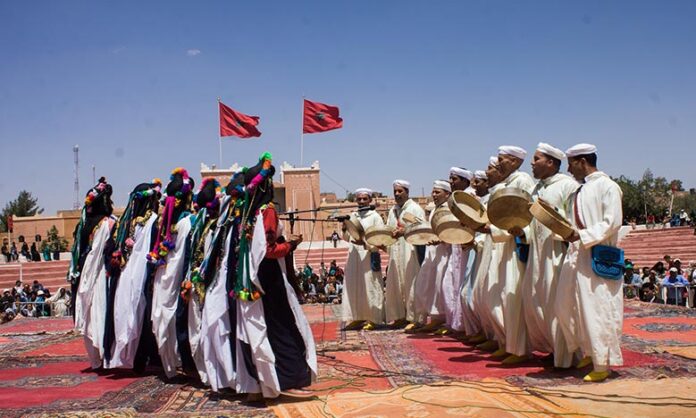
Men and women often stand in separate but coordinated rows or semicircles. The formations create visual symmetry while allowing performers to engage in poetic dialogue and rhythmic movement.
The organization reflects both aesthetic principles and social traditions that have been preserved over generations.
The Role of the Drums
Percussion serves as the heartbeat of Ahwach.
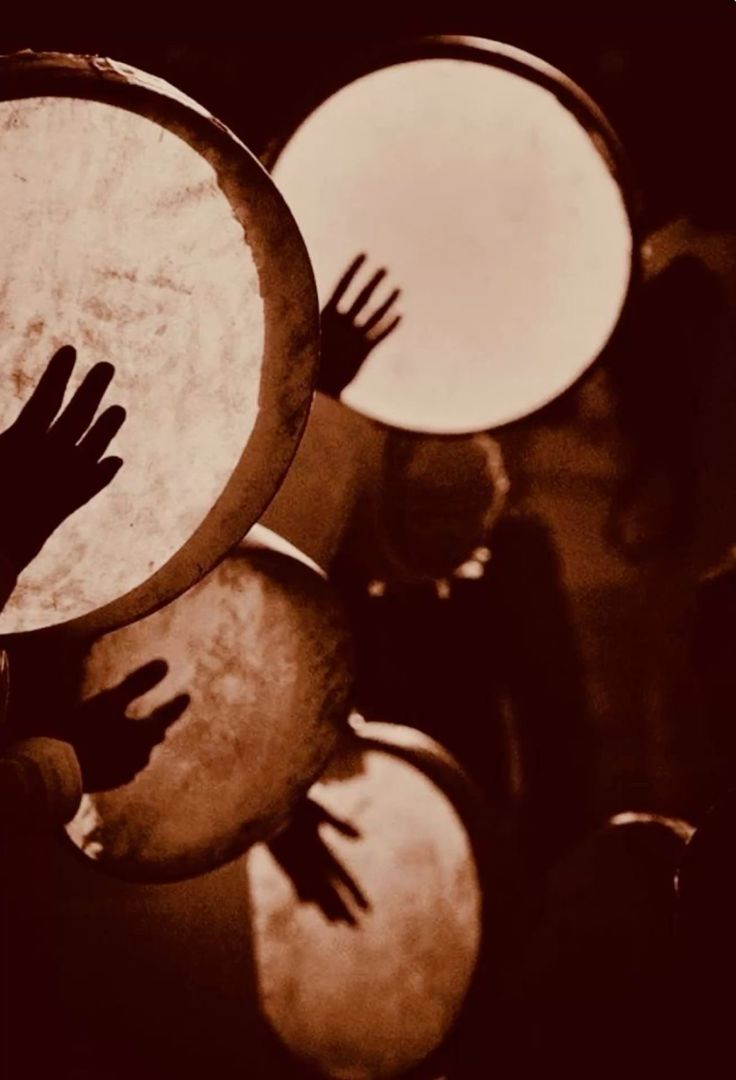
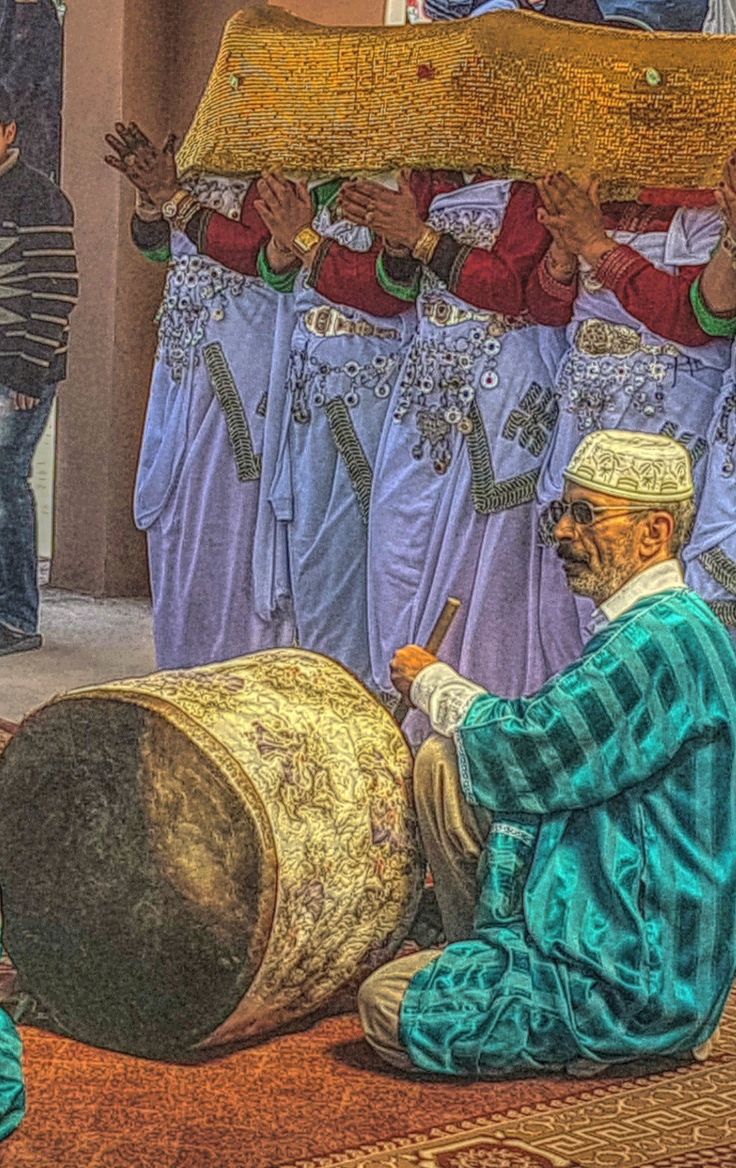
Large traditional drums establish the rhythm that guides dancers, singers, and poets throughout the performance. The intensity of the drumming can gradually build, creating a powerful atmosphere that draws audiences into the experience.
The sound often echoes across valleys and village squares, transforming ordinary spaces into vibrant cultural stages.
Poetry and Improvisation
One of the most fascinating aspects of Ahwach is its emphasis on poetry.
Performers frequently engage in poetic exchanges that may include:
- Social commentary
- Humor
- Love themes
- Wisdom
- Community concerns
- Historical references
Skilled poets often improvise verses in real time, demonstrating creativity, intelligence, and linguistic mastery.
These poetic dialogues can become lively intellectual competitions that entertain audiences while preserving cultural traditions.
Ahwach as a Symbol of Amazigh Identity
Preserving Language and Heritage
Ahwach plays a crucial role in protecting Amazigh languages and cultural practices.
For centuries, performances have helped preserve linguistic traditions that might otherwise have disappeared under the pressures of modernization and globalization.
Through songs and poetry, younger generations continue learning vocabulary, expressions, and cultural references that connect them to their heritage.
Consequently, Ahwach remains an important tool for cultural continuity.
Strengthening Community Bonds
Few traditions illustrate community unity as effectively as Ahwach.
The performance requires coordination, cooperation, and collective participation. Every drumbeat, movement, and verse contributes to a shared cultural experience.
This collective dimension strengthens relationships between individuals and reinforces a sense of belonging.
In many villages, Ahwach continues to serve as a powerful symbol of social cohesion.
The Social Role of Ahwach in Amazigh Society
Celebrating Important Life Events
Traditionally, Ahwach accompanies many significant occasions.
These may include:
- Weddings
- Harvest celebrations
- Religious festivals
- Community gatherings
- Cultural festivals
- Seasonal celebrations
The presence of Ahwach transforms these events into communal experiences that strengthen social ties.
A Space for Dialogue
Historically, Ahwach also functioned as a social forum.
Poetic exchanges allowed community members to discuss important issues, express opinions, and share perspectives in a culturally accepted format.
In some cases, performers addressed social tensions, moral questions, or community concerns through carefully crafted verses.
This tradition demonstrates how art can become a vehicle for communication and collective reflection.
Courtship and Social Interaction
In many rural communities, Ahwach also provided opportunities for social interaction between young men and women.
Public performances created structured environments where participants could observe one another, exchange poetic messages, and build social connections.
Although customs vary across regions, this aspect of Ahwach contributed to its role as an important social institution.
Symbolism Within Ahwach Performances
Unity Through Synchronization
The synchronized movements of Ahwach performers symbolize collective strength.
When dozens of participants move together in harmony, the performance visually expresses values that are central to Amazigh culture:
- Cooperation
- Solidarity
- Mutual respect
- Community unity
These symbolic elements help explain why Ahwach remains culturally significant today.
The Drum as a Symbol of Collective Rhythm
The drum carries both musical and symbolic importance.
Its steady rhythm serves as a reminder that individual actions contribute to a larger communal experience.
In many ways, the drum embodies the spirit of collective participation that defines Ahwach itself.
Poetry as Cultural Memory
Poetic verses function as living archives.
Each performance preserves fragments of history, wisdom, and identity that might otherwise fade over time.
Through poetry, communities maintain connections with their ancestors while adapting traditions to contemporary realities.
Regional Variations of Ahwach Across Morocco
Ahwach in the High Atlas
The High Atlas Mountains host some of Morocco’s most renowned Ahwach traditions.
Here, performances often reflect the unique cultural and geographic characteristics of mountain communities. The dramatic landscapes provide stunning settings for festivals and celebrations.
Ahwach in the Souss Region
The Souss Valley is another major center of Ahwach culture.
Local styles may emphasize particular poetic forms, rhythms, or performance structures. Visitors exploring southern Morocco frequently encounter Ahwach during regional festivals and community events.
Ahwach Near the Sahara
In areas closer to the Moroccan Sahara, Ahwach incorporates influences from desert cultures and trading routes.
These regional variations demonstrate the adaptability of the tradition while preserving its core cultural values.
Ahwach and Moroccan Cultural Tourism
Why Travelers Are Drawn to Ahwach
Modern travelers increasingly seek meaningful cultural experiences rather than conventional sightseeing alone.
Ahwach offers exactly that.
Instead of observing history behind museum glass, visitors witness living heritage in action. The performance creates an immersive experience that reveals the values, creativity, and traditions of Amazigh communities.
As a result, Ahwach has become an important attraction for cultural tourism in Morocco.
Experiencing Authentic Morocco
Many travelers visit Morocco expecting to see imperial cities, desert landscapes, and colorful markets.
While these attractions are undeniably remarkable, cultural traditions like Ahwach provide deeper insights into Moroccan society.
Watching an Ahwach performance allows visitors to experience Morocco through the voices, rhythms, and stories of local communities.
That connection often becomes one of the most memorable parts of a journey.
Ahwach Festivals and Cultural Events
Throughout the year, various festivals celebrate Amazigh culture and traditional performance arts.
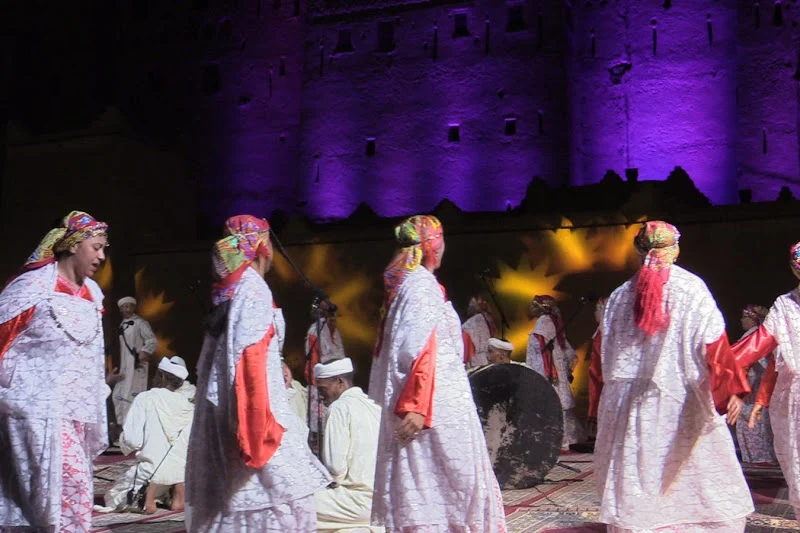
These events provide excellent opportunities for visitors to experience Ahwach in its authentic cultural context.
Festival performances often feature:
- Large community ensembles
- Traditional Amazigh clothing
- Poetry competitions
- Cultural exhibitions
- Folk music performances
Because entire communities participate, these gatherings offer valuable insight into local traditions and social life.
Traditional Clothing and Visual Identity
The visual dimension of Ahwach is equally impressive.
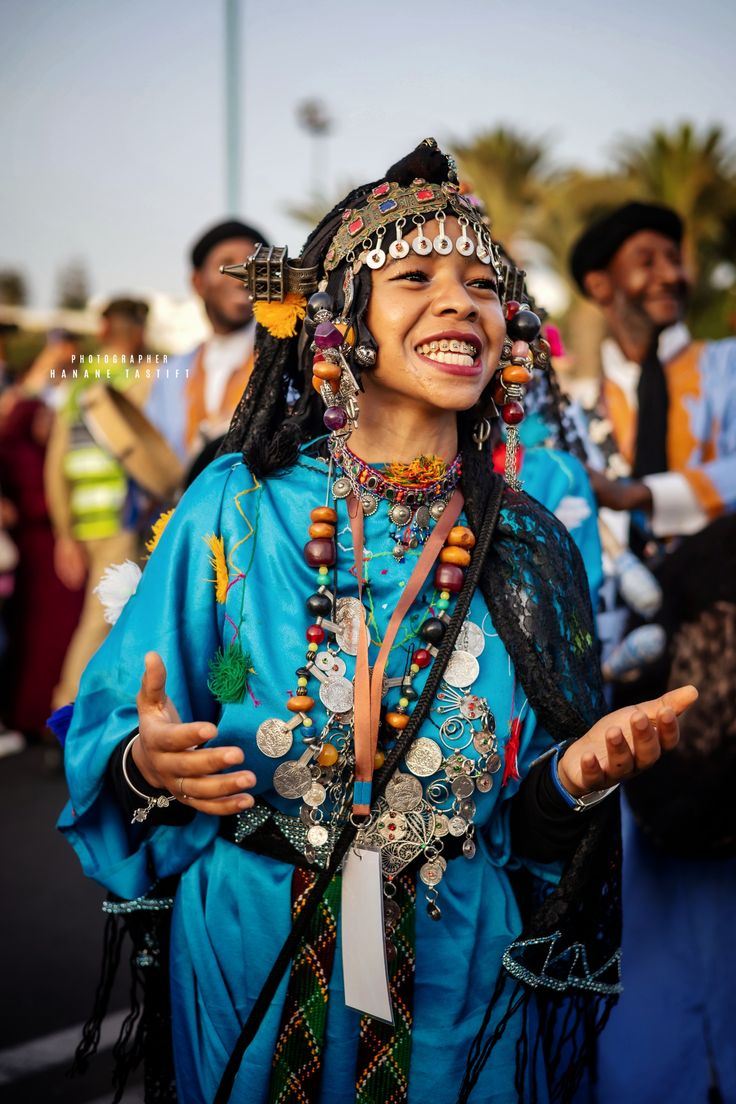
Participants often wear traditional Amazigh garments that reflect regional identities and cultural heritage.
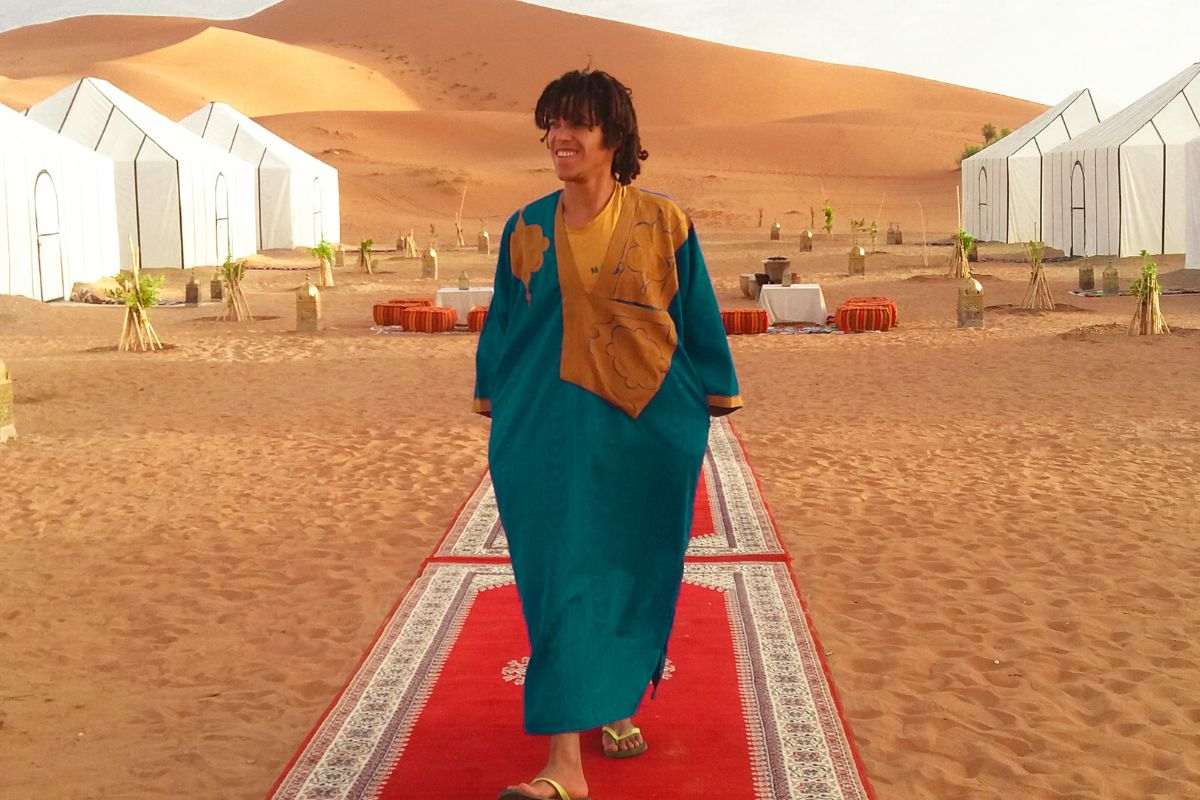
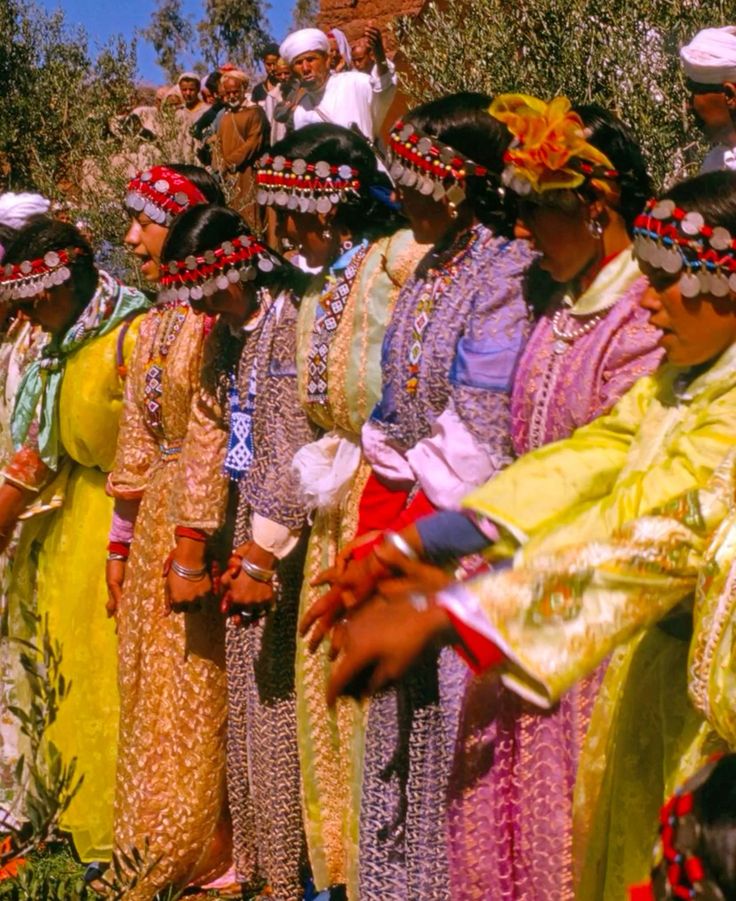
Women’s clothing may include colorful textiles, intricate jewelry, and handcrafted accessories. Meanwhile, men frequently wear traditional robes and turbans associated with local customs.
These garments contribute to the performance’s aesthetic impact while reinforcing cultural identity.
For photographers and cultural enthusiasts, Ahwach provides a remarkable display of Morocco’s artistic diversity.
Challenges Facing Ahwach in the Modern Era
Urbanization and Changing Lifestyles
Like many traditional cultural practices worldwide, Ahwach faces modern challenges.
Urban migration, changing lifestyles, and global entertainment trends have altered the social environments that once supported traditional performances.
As younger generations move toward cities, opportunities for community-based cultural transmission can become more limited.
Cultural Preservation Efforts
Fortunately, many organizations, artists, and community leaders are working to preserve Ahwach for future generations.
Efforts include:
- Cultural festivals
- Educational programs
- Academic research
- Documentation projects
- Community workshops
These initiatives help ensure that Ahwach remains a living tradition rather than a historical relic.
Adapting Without Losing Identity
One of Ahwach’s greatest strengths is its adaptability.
While preserving core cultural values, performers continue finding ways to engage modern audiences. This balance between tradition and innovation has helped Ahwach remain relevant in contemporary Morocco.
Why Ahwach Still Matters Today
In an increasingly interconnected world, cultural traditions often face pressure to conform or disappear.
Ahwach offers a different story.
It demonstrates how communities can preserve their heritage while continuing to evolve. The tradition remains meaningful because it addresses universal human needs: connection, expression, identity, and belonging.
Moreover, Ahwach reminds us that culture is not something preserved only in museums. It lives through participation, creativity, and shared experiences.
For Amazigh communities, Ahwach continues to express collective memory and cultural pride. For visitors, it provides a powerful window into one of Morocco’s richest traditions.
Why Argan Oil Is More Than Morocco’s Liquid Gold
The phrase “Liquid Gold of Morocco” is often used to describe argan oil’s economic value. Yet its true worth goes much deeper.
Argan oil preserves ancestral knowledge, supports rural communities, empowers women, and protects unique ecosystems. It connects the past with the present and demonstrates how traditional practices can remain relevant in a rapidly changing world.
For travelers seeking authentic cultural experiences, the story of argan oil provides a fascinating window into the heart of Morocco.
The cultural power of Ahwach lies far beyond its music and dance. It is a living expression of Amazigh history, social values, artistic creativity, and collective identity.
For centuries, Ahwach has brought communities together through rhythm, poetry, and shared participation. It has preserved languages, transmitted knowledge, celebrated important life events, and strengthened social bonds across generations.
Today, this remarkable tradition remains one of Morocco’s most authentic cultural treasures. Whether experienced in a mountain village, a regional festival, or a cultural celebration in southern Morocco, Ahwach offers travelers an unforgettable encounter with the heart of Amazigh heritage.
For anyone seeking a deeper understanding of Morocco beyond its famous landmarks, witnessing an Ahwach performance is more than entertainment—it is an invitation into a living cultural world where history, symbolism, and community continue to dance together.
Frequently Asked Questions About Ahwach
What is Ahwach in Morocco?
Ahwach is a traditional Amazigh performance that combines music, dance, poetry, and rhythmic drumming. It is especially popular in southern Morocco, where communities gather to celebrate weddings, festivals, harvests, and important cultural events.
Where can travelers experience Ahwach performances?
Visitors can experience Ahwach in the High Atlas Mountains, the Souss region, the Anti-Atlas, and parts of southern Morocco. Cultural festivals, local celebrations, and some tourism events often feature authentic Ahwach performances.
Is Ahwach a dance or a musical tradition?
Ahwach is both a dance and a musical tradition. It combines synchronized group dancing, traditional drumming, collective singing, and poetic exchanges, making it one of Morocco’s most unique cultural expressions.
What is the significance of Ahwach in Amazigh culture?
Ahwach plays an important role in preserving Amazigh identity, language, and oral traditions. It strengthens community bonds, celebrates cultural heritage, and passes knowledge from one generation to the next.
What instruments are used in Ahwach?
The main instruments used in Ahwach are traditional Amazigh drums and percussion instruments. Rhythmic clapping and collective chanting also contribute to the performance’s distinctive sound.
How old is the Ahwach tradition?
Although its exact origins are difficult to determine, Ahwach has been practiced for centuries within Amazigh communities of southern Morocco. It developed as a form of social expression, storytelling, and cultural preservation.
What do the songs and poems in Ahwach represent?
The songs and poems often address themes such as love, wisdom, community values, historical events, daily life, and social issues. Many verses are improvised, showcasing the creativity and linguistic skills of the performers.
Why is Ahwach important for cultural tourism in Morocco?
Ahwach offers travelers an authentic glimpse into Morocco’s Amazigh heritage. Unlike museum exhibits, it is a living tradition that allows visitors to experience local culture through music, dance, poetry, and community participation.
Photo Gallerie