Traditional Moroccan Hammam: History, Culture & What to Expect

Phone
+212 660 44 471

Contactyourtourguide@gmail.com

Office
1111 rue El,Rue koufa Essaouira 44000

Hours
Monday-Sunday:
24/7
Traditional Moroccan Hammam: History, Culture & What to Expect
A traditional Moroccan hammam is much more than a place to wash. For centuries, hammams have been an important part of Moroccan daily life, bringing together cleanliness, relaxation, beauty rituals, family traditions, and community interaction.
For travelers visiting Marrakech, experiencing a hammam can offer a completely different perspective on Moroccan culture. Instead of simply visiting monuments or walking through the souks, you can participate in a living tradition that has been passed from one generation to another.
The traditional hammam ritual usually involves several stages, including warming the body, applying Moroccan black soap, exfoliating with a kessa glove, rinsing, and sometimes using ghassoul clay or argan oil. However, the experience varies considerably between a local neighborhood hammam and a private luxury spa.
Understanding the history and cultural importance of the hammam can make your visit much more meaningful. In this guide, you’ll discover what a traditional Moroccan hammam is, how the ritual works, why it remains important in Moroccan culture, what to expect in Marrakech, and how to experience it respectfully.
What Is a Traditional Moroccan Hammam?
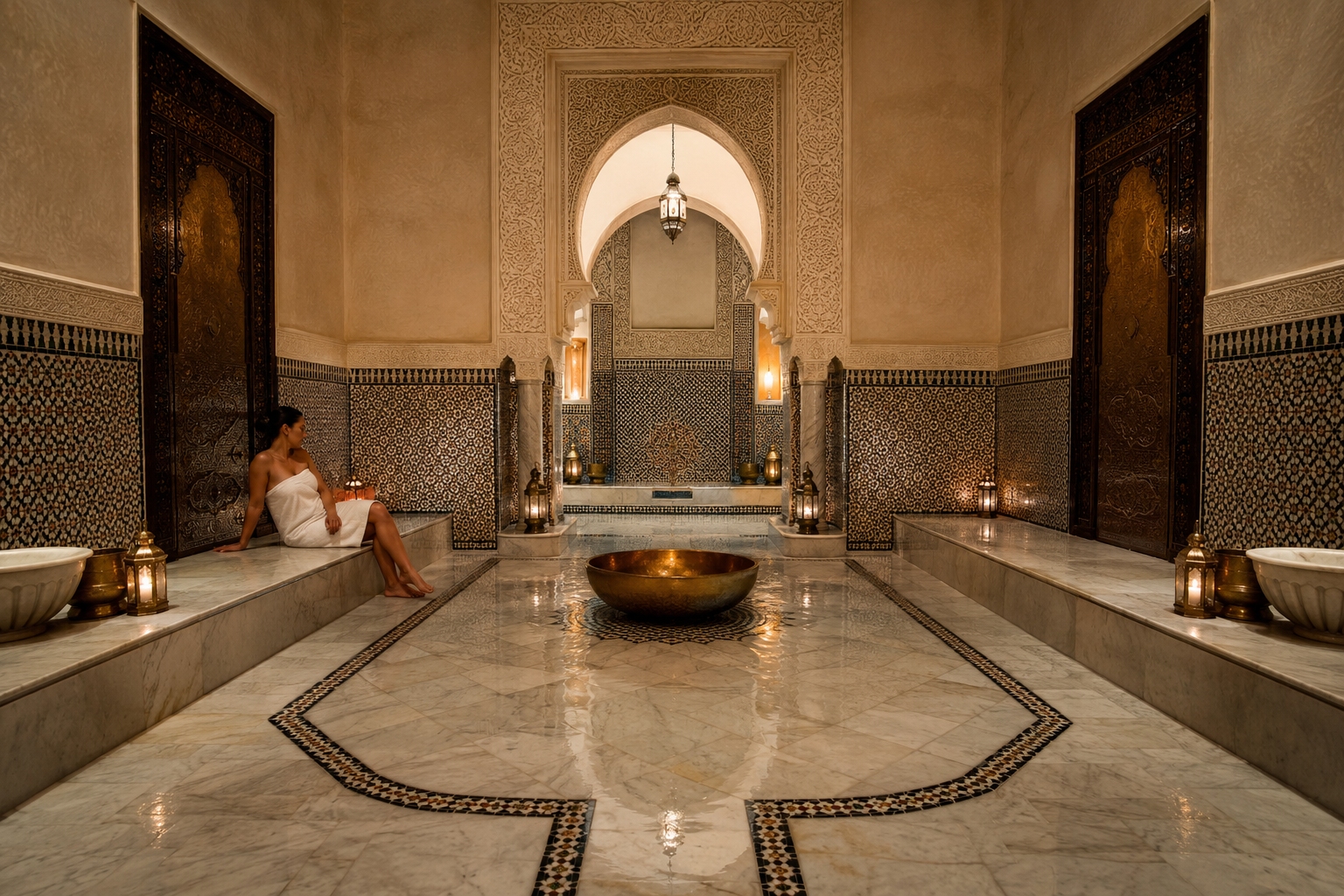
A traditional Moroccan hammam is a communal bathing facility where people traditionally go for cleansing, exfoliation, relaxation, and social interaction.
The term hammam is associated with heat and bathing. Traditional hammams typically use heated rooms and warm water as part of a cleansing ritual.
Historically, hammams were particularly important because private bathrooms were not available in many Moroccan homes. Public bathhouses therefore became essential facilities within cities and villages.
Today, modern homes generally have private bathrooms, but hammams remain part of Moroccan culture.
More Than a Place to Bathe
The hammam traditionally combines several aspects of Moroccan life:
- Personal hygiene
- Exfoliation
- Relaxation
- Social interaction
- Beauty rituals
- Family traditions
- Community life
This is one reason the hammam is so interesting for travelers.
It isn’t simply a Moroccan version of a modern spa. A traditional hammam has a social and historical dimension that reflects the way Moroccan communities have lived for centuries.
Where Can You Find Hammams in Morocco?
Hammams can be found throughout Morocco, particularly in historic urban neighborhoods.
You can find them in cities including:
- Marrakech
- Fes
- Casablanca
- Rabat
- Meknes
- Tangier
- Essaouira
- Agadir
In traditional medinas, hammams were often located close to mosques, markets, bakeries, fountains, and residential neighborhoods.
Their location reflects their importance in everyday community life.
The History of the Traditional Moroccan Hammam
The history of the traditional Moroccan hammam is connected to the wider bathing traditions of North Africa, the Mediterranean, and the Islamic world.
Bathhouses became important institutions in many historic Muslim cities, where cleanliness and communal life were closely connected.
Hammams and Islamic Traditions
Cleanliness has an important role in Islamic culture.
Historically, access to bathing facilities was therefore particularly valuable in urban communities.
Hammams were frequently built near mosques and other important neighborhood facilities.
In Moroccan medinas, the hammam formed part of a larger network of services that made everyday life possible.
Residents could walk to a nearby mosque, bakery, market, fountain, or hammam without traveling far from home.
Hammams in Historic Moroccan Cities
Marrakech and Fes are particularly well known for their historic medinas and traditional urban architecture.
The hammam became an important institution within these communities.
For local residents, visiting the hammam was not necessarily considered a special occasion. It could simply be part of normal weekly or personal routines.
From Necessity to Cultural Heritage
Modern plumbing and private bathrooms have changed the role of the hammam.
However, the tradition has survived.
Many Moroccans continue to visit hammams for cleansing, relaxation, social interaction, or traditional beauty treatments.
For visitors, this makes the hammam a fascinating example of Moroccan intangible cultural heritage.
Traditional Moroccan Hammam: Understanding the Ritual
The traditional hammam ritual follows a series of steps, although the exact experience differs between establishments.
Some local hammams are very simple, while tourist-oriented hammams and luxury spas may offer longer and more elaborate treatments.
1. Preparing for the Hammam
Depending on the hammam, you may need to bring:
- A towel
- Flip-flops
- Clean clothes
- Shampoo
- Personal toiletries
- A kessa glove
- Moroccan black soap
Tourist-friendly hammams often provide most of these items.
If you’re visiting a local hammam in Marrakech for the first time, ask beforehand what you need to bring.
2. Warming the Body
Traditional hammams generally contain areas with different temperatures.
Visitors gradually move into warmer and hotter spaces.
The heat helps the body relax and prepares the skin for exfoliation.
This gradual process is an important part of the traditional experience.
3. Moroccan Black Soap
One of the most recognizable products associated with the hammam is beldi soap, commonly known as Moroccan black soap.
Traditionally produced using olive-based ingredients, it has a soft, dark appearance.
The soap is applied to the skin and left for a short period before being rinsed.
Its main role in the traditional ritual is to prepare the skin for exfoliation.
4. Exfoliation With the Kessa Glove
After the skin has been warmed and softened, a kessa glove is used to exfoliate the body.
The textured glove helps remove dead skin cells.
The treatment can feel considerably stronger than a typical Western exfoliation.
If you are visiting a hammam for the first time, communicate with the attendant about the pressure.
Traditional does not mean painful.
5. Rinsing
After exfoliation, the body is thoroughly rinsed with warm water.
This removes the soap and loosened dead skin cells.
6. Ghassoul Clay
Some hammam experiences include ghassoul, a traditional mineral-rich clay associated with Morocco.
It may be applied to the body and, depending on the treatment, the hair.
Ghassoul is particularly common in more elaborate hammam experiences.
7. Massage and Moisturizing
Many tourist-friendly and luxury hammams finish with a massage or moisturizing treatment.
Argan oil is particularly common.
The oil is deeply associated with Moroccan beauty traditions and is often used during massages.
You can learn more about this famous Moroccan product in our guide to argan oil in Morocco.
Why Is the Traditional Moroccan Hammam Important in Moroccan Culture?
The cultural significance of the hammam extends far beyond hygiene.
Historically, it was a place where people could meet, socialize, exchange information, and maintain relationships.
The Hammam as a Community Space
In traditional Moroccan neighborhoods, the hammam was part of everyday community life.
People knew their local hammam and often visited regularly.
This made it a social institution as much as a bathing facility.
The idea of communal services is also visible elsewhere in Moroccan neighborhoods. For example, traditional Moroccan communal ovens served an important role in community life, showing how everyday services could become part of the social fabric of Moroccan cities.
Hammam Traditions for Women
Historically, hammam visits were particularly important social occasions for women.
Women could spend time together, exchange news, discuss family matters, and maintain relationships.
The hammam therefore provided a social environment that went beyond bathing.
Hammam and Moroccan Weddings
The hammam can also play a role in Moroccan wedding traditions.
Before a wedding, a bride may traditionally visit the hammam accompanied by female relatives and friends.
Depending on the region and family, the occasion may include beauty rituals, celebration, music, food, and preparation for the wedding.
There is no single hammam ritual followed by every Moroccan family, but the tradition demonstrates how the hammam can become connected to important moments in life.
Hammam and Religious Occasions
The cultural relationship between cleanliness and religious practice has also contributed to the historical importance of hammams.
Bathing and purification have traditionally been important aspects of Islamic life, helping hammams become established within Moroccan communities.
Traditional Moroccan Hammam in Marrakech
Marrakech is one of the best places to experience a hammam because the city offers a wide variety of options.
From traditional neighborhood bathhouses to private luxury spas, visitors can choose an experience based on their comfort level and cultural interests.
Hammams in the Marrakech Medina
The Marrakech Medina contains many traditional services and historic institutions.
A neighborhood hammam can provide a more local experience and give visitors an insight into everyday Moroccan life.
However, facilities can be simple.
The environment may be communal, the process may be less structured for tourists, and staff may not always speak English.
For this reason, research is important before choosing a local hammam.
Luxury Hammams in Marrakech
Marrakech is also famous for luxury riads, hotels, and spas offering modern interpretations of traditional Moroccan treatments.
A luxury hammam may include:
- Private treatment rooms
- Moroccan black soap
- Kessa exfoliation
- Ghassoul
- Argan oil
- Massage
- Relaxation areas
- Towels and toiletries
This option can be particularly suitable for first-time visitors who want the cultural elements of a hammam with greater privacy and comfort.
Combine a Hammam With a Marrakech Walking Tour
A hammam can easily be combined with other cultural experiences in Marrakech.
After your treatment, you could continue exploring the historic Medina, traditional architecture, markets, and local neighborhoods.
A Marrakech walking tour can be a natural complement to a hammam experience, allowing you to discover the city on foot and better understand its historic urban environment.
You can also explore the city’s traditional markets with our Marrakech Souks Guide.
Traditional Moroccan Hammam Etiquette for Travelers
For first-time visitors, understanding local etiquette is essential.
The experience can be very different from a Western spa.
Check Gender Arrangements
Traditional hammams generally separate men and women.
Some have separate facilities, while others operate separate schedules.
Always check the arrangement before visiting.
Ask About Privacy
Local hammams may have communal bathing areas.
Private hammams and luxury spas generally provide greater privacy.
If privacy is important to you, ask about the setup before booking.
Respect Other Guests
A hammam is a private environment.
Do not photograph other visitors.
Avoid using your phone inside bathing areas and respect people’s personal space.
Bring Only Essential Items
Avoid bringing expensive jewelry, unnecessary electronics, or large amounts of cash.
A towel, flip-flops, toiletries, and clean clothes are generally enough if the establishment does not provide them.
Communicate With the Attendant
If you are unsure about anything, ask.
If the exfoliation is too strong, request less pressure.
If you do not understand what happens next, ask the attendant to explain.
A good hammam experience should leave you feeling relaxed and refreshed.
Traditional Moroccan Hammam vs. Luxury Hammam
Travelers visiting Marrakech have several choices.
Understanding the differences can help you choose the right experience.
Local Neighborhood Hammam
A local hammam is primarily designed for Moroccan residents.
It may be:
- Simple
- Affordable
- Communal
- Practical
- Less tourist-oriented
This can be a fascinating cultural experience for adventurous travelers.
However, it may not provide the level of privacy or explanation that international visitors expect.
Tourist-Friendly Hammam
Tourist-friendly hammams provide a balance between traditional practices and modern comfort.
They often offer:
- Private spaces
- Organized appointments
- Multilingual staff
- Towels and toiletries
- Clearly explained treatments
This is often a good option for first-time visitors.
Luxury Hammam
Luxury hammams combine traditional Moroccan rituals with modern spa facilities.
They typically provide private rooms, high-quality products, professional therapists, and additional treatments.
They are more expensive but can be ideal for travelers seeking comfort and relaxation.
Which Hammam Should You Choose?
Choose a local hammam if you are particularly interested in everyday Moroccan life.
Choose a tourist-friendly or luxury hammam if you prioritize privacy, comfort, and clear communication.
There is no single “best” option.
The best choice depends on the kind of experience you want.
Traditional Moroccan Hammam Products and Beauty Traditions
Morocco has developed a distinctive beauty culture based on natural ingredients and traditional techniques.
Many of these products are closely connected to the hammam.
Moroccan Black Soap
Beldi soap is traditionally associated with olives and olive oil.
Its soft consistency makes it ideal for preparing the skin before exfoliation.
Kessa Glove
The kessa glove is one of the defining tools of the Moroccan hammam.
Its rough texture helps remove dead skin cells.
Ghassoul Clay
Ghassoul is a Moroccan clay traditionally associated with the country’s mineral-rich landscapes.
It has been used in beauty rituals for generations.
Argan Oil
Argan oil is one of Morocco’s best-known natural products.
Traditionally produced from the nuts of the argan tree, it is widely used in Moroccan beauty routines.
It is also commonly incorporated into hammam massages and moisturizing treatments.
Rose Water and Orange Blossom
Rose water and orange blossom water are also associated with Moroccan beauty traditions.
Their fragrance adds a sensory element to many modern hammam treatments.
How to Prepare for Your First Traditional Moroccan Hammam
If this is your first experience, a little preparation can make it much more enjoyable.
Book Ahead
Popular hammams in Marrakech can become busy, particularly during high tourist seasons.
Booking ahead is advisable if you want a specific time.
Tell Staff It Is Your First Visit
Let the attendant know that you have never experienced a Moroccan hammam before.
They can explain the process and help you understand what happens next.
Stay Hydrated
The hammam environment is hot, so drink enough water before and after your visit.
Avoid a Heavy Meal
Arriving immediately after a large meal may make the heat less comfortable.
A lighter meal beforehand is generally more practical.
Wear Comfortable Clothes Afterwards
After a hot hammam treatment, loose and comfortable clothing can be preferable.
Communicate About Exfoliation Pressure
The kessa treatment can be vigorous.
If you prefer gentle exfoliation, tell the attendant.
You should feel comfortable throughout the experience.
What Does a Traditional Moroccan Hammam Feel Like?
A hammam is a highly sensory experience.
You notice the warmth of the rooms, the smell of black soap, the sound of running water, the texture of the kessa glove, and the fragrance of Moroccan beauty products.
For many travelers, this sensory experience becomes one of the most memorable parts of their trip.
It is also an opportunity to slow down.
Marrakech can be energetic and busy, particularly around the Medina and Jemaa el-Fna.
A hammam provides a quiet contrast to the city’s streets.
Instead of rushing from one attraction to another, you can take time to relax and participate in a Moroccan tradition.
Is a Traditional Moroccan Hammam Worth Experiencing?
For travelers interested in culture, a hammam can be one of the most rewarding experiences in Marrakech.
It allows you to participate in a living tradition rather than simply observe it.
You can learn about Moroccan approaches to cleanliness, beauty, community, and relaxation while experiencing techniques that have been practiced for generations.
The most important thing is to choose an establishment that matches your expectations.
If cultural immersion is your priority, a reputable local hammam may be ideal.
If privacy and comfort matter more, a private hammam in Marrakech may be a better choice.
Combine Your Hammam Experience With a Marrakech Adventure
A hammam is only one way to discover Morocco from Marrakech.
The city is also an excellent starting point for journeys into the Atlas Mountains, the Agafay Desert, southern Morocco, and other historic cities.
If you want to continue your cultural journey after experiencing a hammam, you can explore the 3-day trip from Marrakech to Fes.
This journey allows you to discover more of Morocco beyond Marrakech while traveling through different landscapes and destinations.
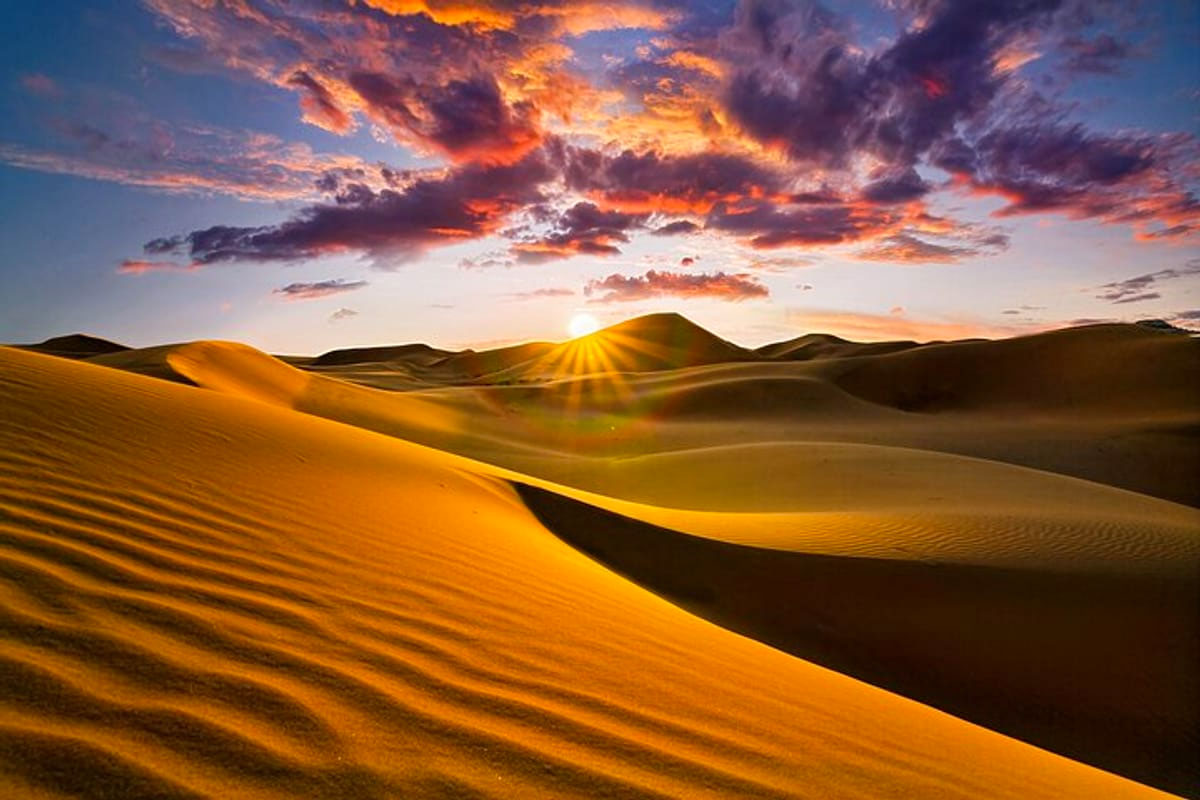
For a shorter adventure, an Agafay Desert day trip from Marrakech offers the opportunity to experience a completely different landscape without traveling all the way to the Sahara.
Combining cultural experiences in Marrakech with excursions outside the city can give you a much broader understanding of Morocco.
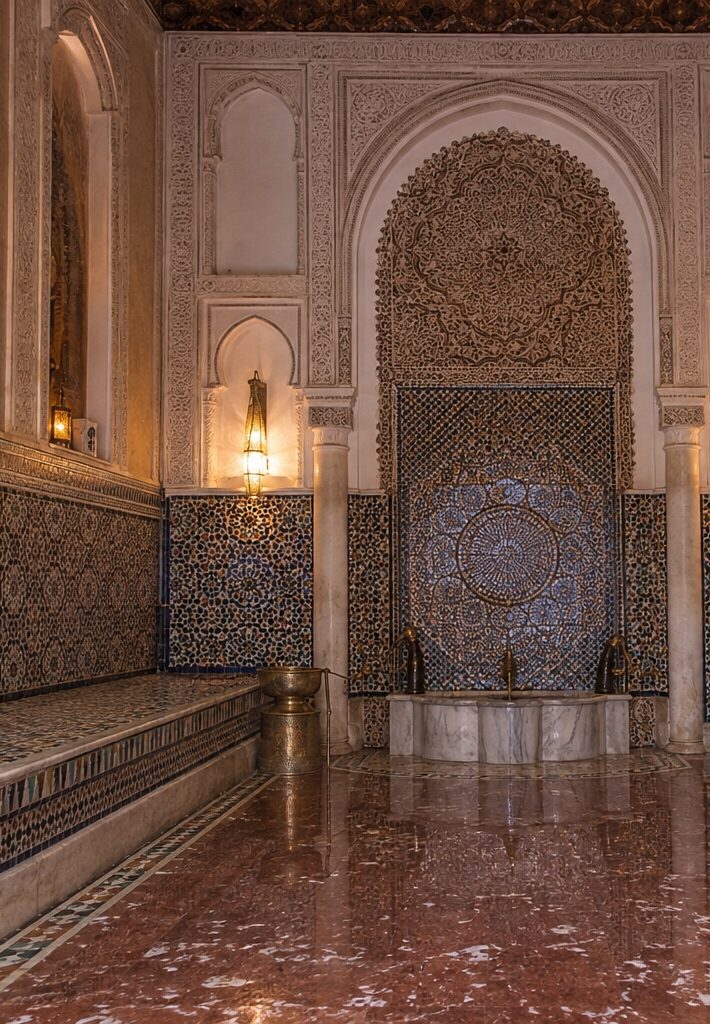
Experience Moroccan Hammam Culture in Marrakech
A traditional Moroccan hammam is much more than a bathing ritual. Its history reflects Morocco’s urban development, religious traditions, community relationships, family customs, and approach to personal care. From Moroccan black soap and the kessa glove to ghassoul and argan oil, each element contributes to a cultural experience that has evolved over generations.
For visitors to Marrakech, a hammam can be a memorable way to experience Moroccan culture from a different perspective. After exploring the Medina, walking through the souks, tasting Moroccan cuisine, or returning from an excursion, taking time for a traditional hammam can provide a relaxing and meaningful addition to your itinerary.
Discover More of Morocco From Marrakech
Your Marrakech journey doesn’t have to stop at the Medina.
From the Agafay Desert and Atlas Mountains to Fes and Morocco’s southern landscapes, Trips From Marrakech offers experiences that allow you to discover different sides of the country.
Frequently Asked Questions About the Traditional Moroccan Hammam
What is a traditional Moroccan hammam in Marrakech?
A traditional Moroccan hammam in Marrakech is a communal bathing facility where people traditionally cleanse, exfoliate, relax, and socialize. The experience commonly includes heated rooms, Moroccan black soap, kessa exfoliation, rinsing, and sometimes ghassoul or argan oil treatments.
How does a traditional Moroccan hammam work?
A typical hammam experience begins by warming the body in a heated room. Moroccan black soap is applied and rinsed before the skin is exfoliated with a kessa glove. Depending on the establishment, the treatment may also include ghassoul, shampoo, massage, or argan oil.
Is a traditional Moroccan hammam suitable for tourists?
Yes. Marrakech has both traditional neighborhood hammams and establishments designed specifically for international visitors. Travelers who are unfamiliar with Moroccan bathing customs may prefer a tourist-friendly or private hammam where the process is clearly explained.
What should I bring to a traditional Moroccan hammam?
This depends on the establishment. You may need a towel, flip-flops, clean clothes, toiletries, and possibly black soap and a kessa glove. Many tourist-oriented hammams provide the necessary products, so check what is included before your appointment.
Is the Moroccan hammam part of Moroccan culture?
Yes. The hammam has historically been an important part of Moroccan hygiene, community life, family traditions, wedding customs, and beauty rituals. It remains a living cultural practice in cities such as Marrakech and Fes.
Which Moroccan city is famous for historic fountains?
Fes is especially known for its street fountains and historic water network. Marrakech also contains important Saadian examples.
A traditional Moroccan hammam is a fascinating part of Morocco’s living cultural heritage. More than a place for bathing, it has historically connected cleanliness with community life, family traditions, beauty rituals, and important occasions. Experiencing a hammam in Marrakech gives travelers the chance to participate in a tradition that has survived generations while discovering a quieter and more personal side of Moroccan culture.
Whether you choose a simple local hammam or a private luxury experience, the most important thing is to approach the tradition with curiosity and respect. Would you try a traditional Moroccan hammam during your visit to Marrakech, and would you prefer an authentic local experience or a private luxury hammam? Share your experience or opinion in the comments!
Photo Gallerie