The Sound of Al-Andalus: Morocco’s Andalusian Musical Heritage

Phone
+212 660 44 471

Contactyourtourguide@gmail.com

Office
1111 rue El,Rue koufa Essaouira 44000

Hours
Monday-Sunday:
24/7
Morocco’s cultural identity can be experienced through its medinas, architecture, cuisine, craftsmanship, and festivals. Yet one of its most sophisticated traditions is carried through sound. Moroccan Andalusian music, commonly known as Al Ala, preserves a musical heritage shaped by centuries of exchange between Morocco and the Iberian Peninsula.
This tradition is more than a collection of old melodies. It is an organized musical world combining poetry, rhythm, instruments, vocal performance, and carefully preserved rules. A complete performance can move gradually from calm, measured passages to faster and more energetic sections, taking listeners through a remarkable emotional journey.
Moroccan Andalusian music is closely connected to historic cities such as Fes, Tetouan, Rabat, Salé, Tangier, and Chefchaouen. In these cities, generations of musicians, families, cultural associations, and conservatories have helped preserve the repertoire through oral teaching, manuscripts, recordings, and public performances.
For travelers, listening to Al Ala offers a different way of discovering Morocco. Its melodies reveal the historic relationship between North Africa and Al-Andalus while showing how Moroccan communities transformed that shared legacy into a living local tradition.
In this guide, we will explore the origins of Moroccan Andalusian music, the structure of the nuba, its instruments and poetry, the contribution of different Moroccan communities, and the best places to experience this extraordinary heritage.
Understanding Moroccan Andalusian Music
Moroccan Andalusian music is a classical urban tradition with historical connections to Al-Andalus, the territories of the Iberian Peninsula governed by Muslim dynasties during the medieval period.
In Morocco, the tradition is usually called Al Ala or Tarab Al Ala. The word “ala” refers to musical instruments and distinguishes this repertoire from other Moroccan vocal and poetic traditions.
A performance generally brings together an orchestra, a lead musician, vocalists, and a chorus. The musicians do not simply perform a random selection of songs. Their music follows an established structure built around melodic modes, rhythmic cycles, poetic texts, and changes in tempo.
This structure gives Moroccan Andalusian music its distinctive character. The listener experiences the performance as a continuous musical journey rather than as a collection of unrelated pieces.
The Historical Roots of Andalusian Music
The history of this music cannot be explained through one date or one person. It developed gradually through cultural contact among communities living around the western Mediterranean.
During the period of Al-Andalus, music brought from the eastern Arab world interacted with local Iberian, Amazigh, Jewish, Mediterranean, and other artistic traditions. According to the cultural foundation El Legado Andalusí, musical production in Al-Andalus absorbed several influences over many centuries, producing a diverse shared heritage rather than a single unchanging style. El Legado Andalusí
Musicians, poets, scholars, merchants, and families regularly traveled between the Iberian Peninsula and North Africa. Musical exchange between Morocco and Al-Andalus therefore existed long before the final fall of Granada in 1492.
Later migrations of Muslim and Jewish communities from Iberia brought additional musicians, poems, instruments, and performance practices to Moroccan cities. These traditions continued to develop in their new social environments.
Moroccan Andalusian music should therefore not be understood as a perfectly preserved copy of medieval Iberian music. It is a Moroccan tradition shaped by Andalusian memory, local creativity, oral transmission, and centuries of adaptation.
The Influence of Ziryab
Popular accounts of Andalusian music frequently mention Abu al-Hasan Ali Ibn Nafi, better known as Ziryab.
Ziryab was a musician who traveled from the eastern Islamic world to Córdoba during the ninth century. He became associated with the development of musical education and courtly culture in Al-Andalus.
He is traditionally credited with influencing musical performance, teaching methods, and the organization of compositions. Some historical narratives also connect him to changes in the construction and playing of the oud.
However, Moroccan Andalusian music was not created by Ziryab alone. The tradition grew over centuries through the work of many musicians, poets, communities, and regional schools.
Ziryab is best understood as an important symbolic figure within a much larger history of musical exchange.
From Al-Andalus to Morocco
The connection between Morocco and Al-Andalus was geographical, political, and cultural.
Moroccan dynasties such as the Almoravids and Almohads governed territories on both sides of the Strait of Gibraltar. This encouraged the movement of artistic ideas, architectural styles, poetry, knowledge, and music.
As political control in Al-Andalus changed, waves of Andalusian families settled in cities across northern Morocco. Fes, Tetouan, Rabat, Salé, Tangier, and Chefchaouen became important centers of Andalusian cultural memory.
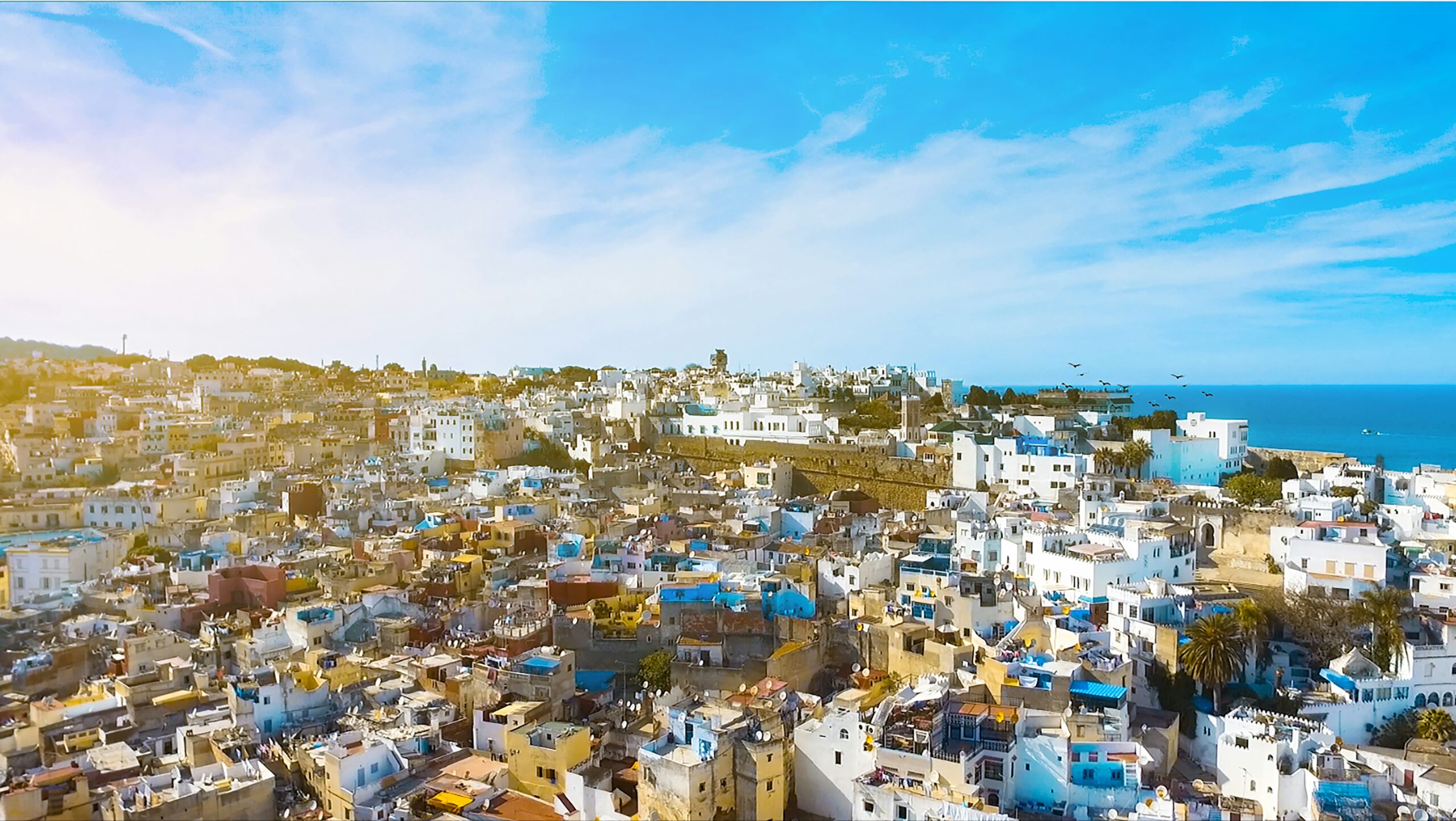
Tetouan developed an especially visible Andalusian identity. Its medina, domestic architecture, cuisine, clothing, and music all reflect historical connections with communities that arrived from Iberia. Morocco’s National Tourist Office describes the city as a place whose medina preserves the cultural heritage of Andalusian civilizations. Moroccan National Tourist Office
Fes also became one of the principal centers of Al Ala. Its scholarly institutions, artisan culture, family traditions, and musical circles helped the repertoire survive and develop.
Why It Is Called Al Ala
In Morocco, Andalusian classical music is often called Al Ala, meaning “the instrument” or “instrumental music.”
The name emphasizes the essential relationship between singing and instrumental accompaniment. Unlike purely vocal traditions, Al Ala depends on an ensemble of string, percussion, and sometimes wind instruments.
The expression also helps distinguish it from other Moroccan musical forms, including:
- Malhoun, a tradition centered on sung vernacular poetry
- Samaâ, connected to spiritual and devotional singing
- Gnawa music, with its own instruments, rhythms, and ceremonial history
- Ahwach and Ahidous, collective Amazigh music and dance traditions
- Aita, a powerful rural and popular vocal tradition
- Gharnati, a related Andalusian tradition particularly associated with Oujda and parts of Rabat
These traditions may meet or influence one another, but each has its own history, performance style, and cultural setting.
The Nuba: The Heart of the Tradition
The nuba is the principal structure of Moroccan Andalusian music.
Rather than being a single song, a nuba is a large musical suite composed of connected instrumental and vocal sections. Each nuba is associated with a melodic mode known as a tab‘.
Historical tradition speaks of a larger repertoire, sometimes symbolically connected to the hours of the day. The surviving Moroccan Al Ala repertoire is organized around eleven principal complete nubas, with additional incomplete material.
The Jewish Music Research Centre at the Hebrew University of Jerusalem describes the nuba as a complex, multi-movement work and identifies eleven complete nubas in the Moroccan tradition. Jewish Music Research Centre
A complete nuba can be extremely long. For modern concerts, the ensemble leader usually selects particular sections that fit the occasion and available performance time.
The Five Rhythmic Movements
A Moroccan nuba is traditionally organized into five principal rhythmic movements known as mawazin. The singular form is mizan.
They are commonly identified as:
- Basit
- Qayim wa Nisf
- Btayhi
- Darj
- Quddam
Each mizan has its own rhythmic identity. Within a movement, the performance commonly begins at a controlled pace and becomes progressively faster.
This gradual acceleration is one of the most recognizable characteristics of Al Ala. The audience experiences a carefully constructed rise in energy rather than an abrupt change.
The orchestra leader must understand how the different pieces connect. Choosing the correct sequence requires knowledge of the repertoire, the poetic texts, the rhythmic cycle, and the atmosphere of the event.
Understanding the Tab‘
The tab‘ is the melodic foundation of a nuba.
It can be compared loosely to a musical mode, but it is more than a simple scale. It gives the performance a particular melodic identity and helps determine how notes, phrases, and emotional expressions are organized.
Each nuba is associated with a principal tab‘. Musicians learn how melodies move within that mode and how different pieces can be connected without disturbing the unity of the performance.
For experienced listeners, the tab‘ can evoke a recognizable mood. Some sound reflective and dignified, while others create brighter or more energetic atmospheres.
This modal knowledge is traditionally learned through repeated listening, memorization, and direct study with experienced teachers.
The Poetry of Moroccan Andalusian Music
Poetry is inseparable from Al Ala.
The vocal repertoire includes texts connected to classical Arabic poetry, muwashshah compositions, and zajal. These poetic forms developed through the literary culture of Al-Andalus and the western Mediterranean.
Common themes include:
- Love and longing
- Gardens and natural beauty
- Friendship and companionship
- Separation and memory
- Spiritual reflection
- Praise and celebration
- The beauty of cities and landscapes
The words are valued for their imagery, rhythm, and musical possibilities. A poem may be divided into short passages and repeated by a soloist or chorus.
Listeners do not always need to understand every classical expression to appreciate the performance. The combination of voices, rhythm, and melody communicates emotion beyond the literal meaning of the words.
The Kunnash Al-Haik
One of the most important documents in the preservation of Moroccan Andalusian music is the Kunnash Al-Haik.
Compiled during the eighteenth century by Muhammad Al-Husayn Al-Haik, the manuscript gathered poetic texts connected to the repertoire performed during his time.
The work did not record every musical detail in the way that modern sheet music does. Instead, it helped organize and preserve the words, names, and sequence of compositions that musicians transmitted orally.
The Kunnash became an essential reference for performers and researchers. Its importance also demonstrates how written archives and living memory worked together.
Without teachers and performers, the manuscript alone could not reproduce the music. Without written collections, however, many poetic texts and their organization might have been lost.
Traditional Instruments of Al Ala
The sound of Moroccan Andalusian music comes from the relationship between voices and instruments.
The exact composition of an orchestra may vary, but several instruments are strongly associated with the tradition.
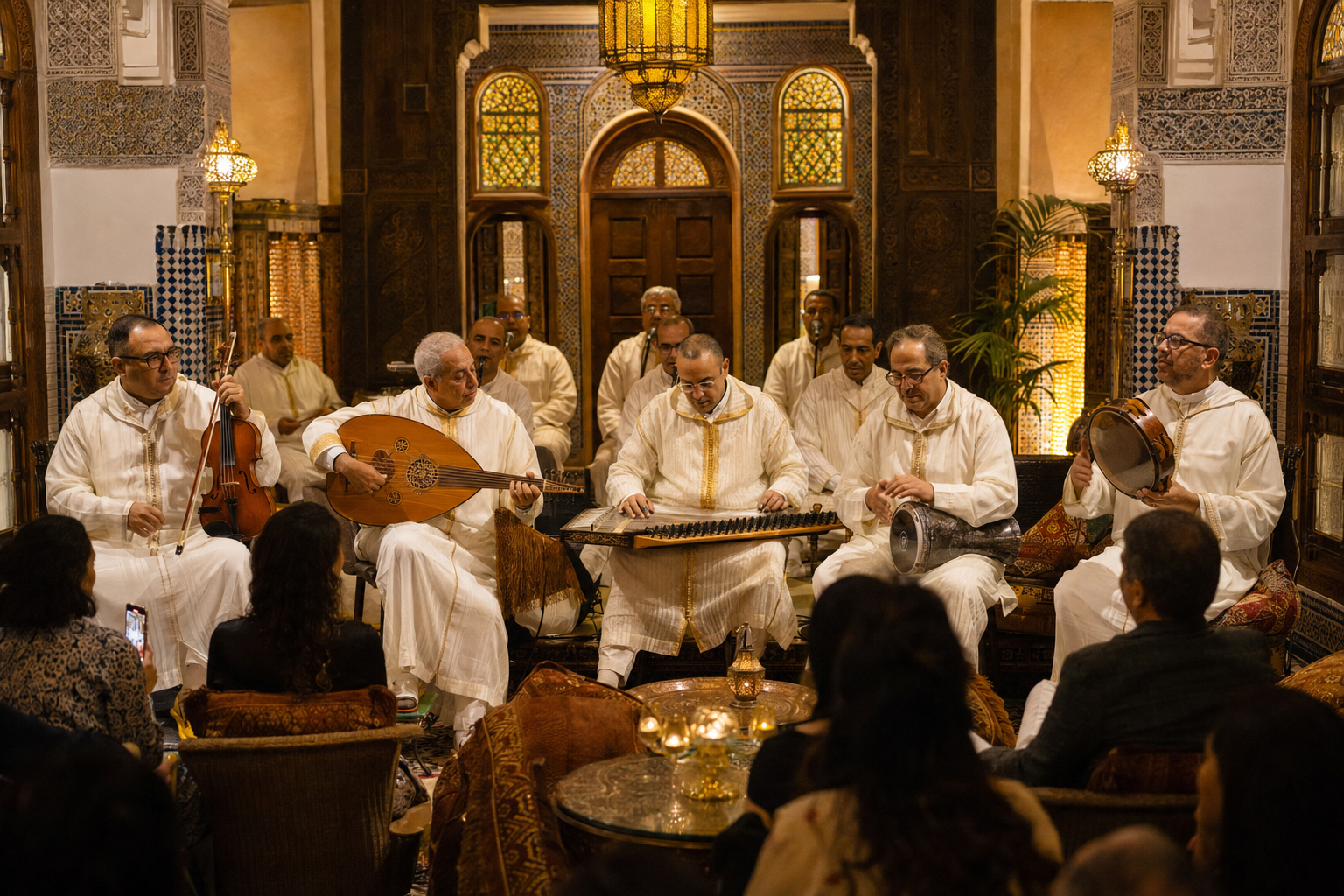
The Oud
The oud is a short-necked string instrument with a rounded body.
Its warm sound supports the melodic structure of the orchestra. Because it does not have frets, the musician has considerable freedom in shaping individual notes and phrases.
The oud also connects Moroccan Al Ala with the broader history of music across North Africa and the eastern Mediterranean.
The Rabab
The Moroccan rabab is a bowed string instrument with a distinctive sound.
It frequently plays an important role in traditional Al Ala ensembles. Its tone can stand out clearly among the other instruments, making it especially effective for emphasizing important melodic passages.
The Violin
The violin became an important part of Moroccan Andalusian orchestras.
Moroccan musicians traditionally may hold it vertically, resting it on the knee rather than beneath the chin. This position allows the instrument to blend visually and musically with the seated ensemble.
The Qanun
The qanun is a flat, plucked string instrument played with small plectrums attached to the fingers.
Its numerous strings produce a clear and detailed sound. The instrument can reinforce the melody while adding rapid ornamental passages.
The Tar
The tar is a frame drum fitted with small metal jingles.
It helps maintain the mizan and guide changes in tempo. A skilled percussionist must understand the entire structure of the performance rather than simply repeat a basic beat.
The Darbuka
The darbuka is a goblet-shaped drum used in many musical traditions across the region.
Within an Al Ala ensemble, it contributes sharper rhythmic accents and supports the growing energy of faster sections.
The Role of the Orchestra Leader
The orchestra leader plays a crucial role in every Al Ala performance.
This person must possess extensive knowledge of the nubas, poetic texts, melodic modes, and rhythmic movements. The leader chooses the pieces, controls transitions, and guides the musicians as the tempo changes.
Communication may happen through gestures, eye contact, instrumental phrases, or subtle vocal signals.
Because musicians often sing while playing, the orchestra functions as a closely connected collective. Individual skill is important, but the unity of the ensemble remains the main objective.
A successful performance depends on balance. No instrument should overwhelm the poetry, and no section should interrupt the gradual progression of the nuba.
Singing as a Collective Experience
Al Ala combines individual expression with collective singing.
A soloist may introduce a poetic line before the chorus repeats or develops it. At other moments, the entire ensemble sings together while continuing to play.
This creates a strong sense of participation. The musicians are not separated into a silent orchestra and a distinct group of singers. Many performers fulfill both roles.
Knowledgeable audience members may quietly follow familiar passages or recognize changes in the rhythm. The relationship between performers and listeners makes each event a shared cultural experience.
Fes and Its Musical School
Fes is one of Morocco’s most important centers of Andalusian music.
For centuries, the city has been associated with religious scholarship, classical Arabic learning, artisan guilds, poetry, and refined urban culture. These conditions created a supportive environment for Al Ala.
Musical knowledge was preserved within families, private associations, conservatories, and orchestras. Esteemed teachers trained students through careful repetition and direct correction.
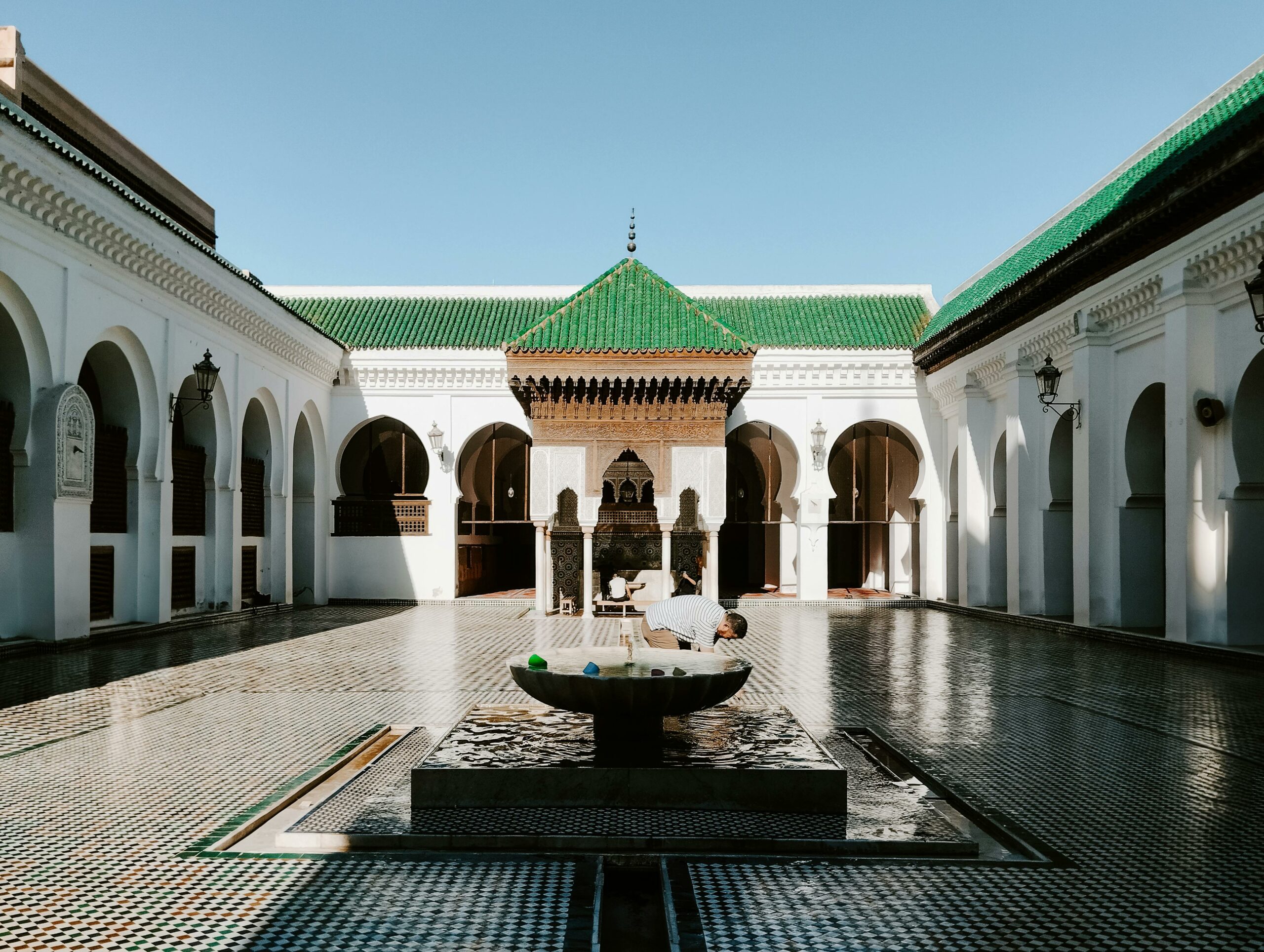
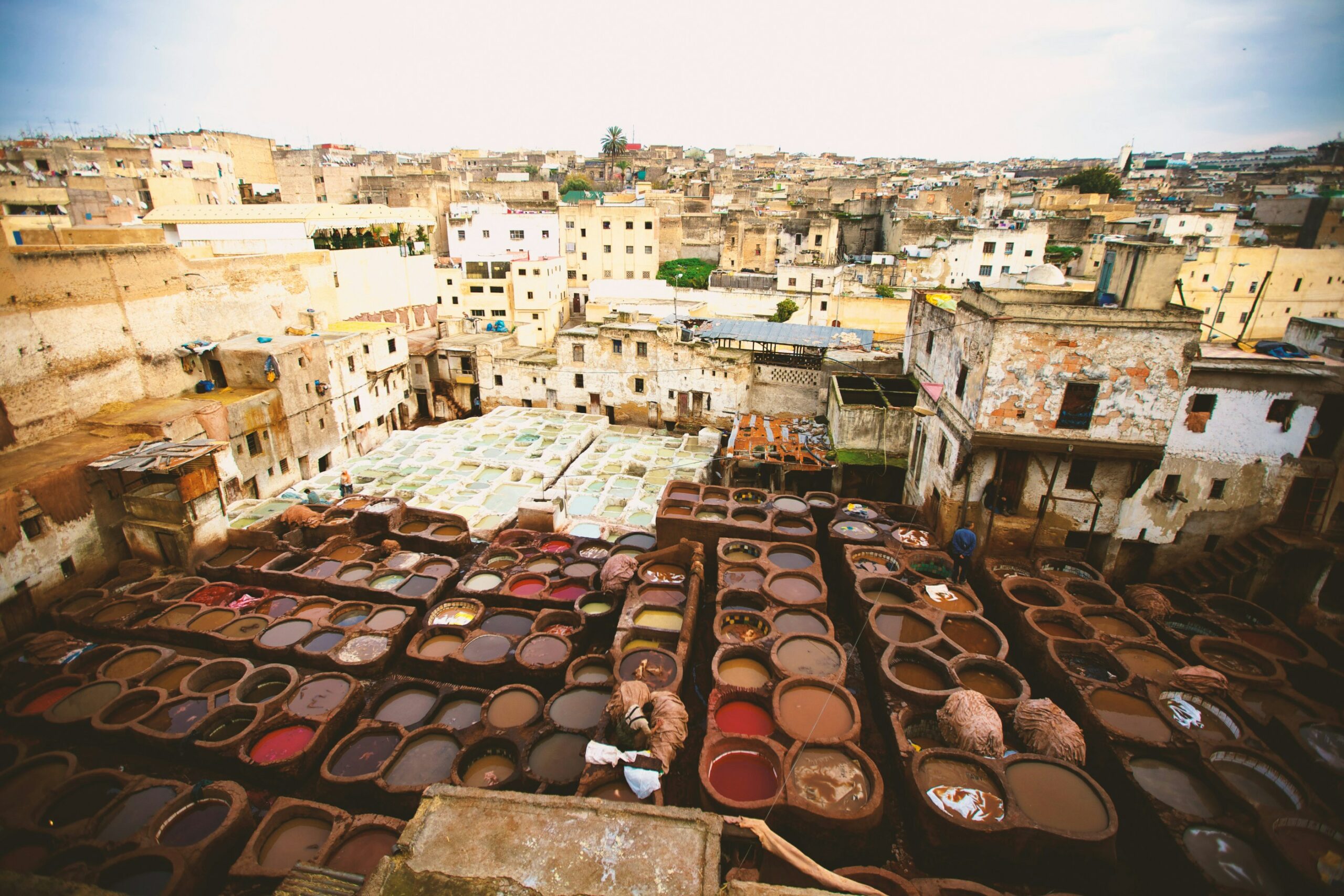
The historic medina also reflects the same Arab, Amazigh, Jewish, and Andalusian influences heard in the music. Morocco’s National Tourist Office describes Fes as the country’s cultural and spiritual capital and highlights the multiple traditions visible within its heritage.
Today, Fes remains one of the best destinations for travelers interested in Morocco’s classical musical culture.
Tetouan and Andalusian Memory
Tetouan’s identity is deeply connected to Andalusian history.
Families arriving from Iberia contributed to the reconstruction and cultural development of the city. This legacy can be seen in its medina, houses, crafts, cuisine, and musical traditions.
Tetouani musicians developed respected interpretations of Al Ala, and the city became an important center for teaching and performance.
The connection is also visible in the Kunnash Al-Haik, whose compiler is associated with Tetouan. The manuscript helped preserve poetic material that continues to guide the tradition today.
Listening to Andalusian music in Tetouan therefore creates a powerful connection between sound and place.
Rabat, Salé and the Classical Urban Tradition
The neighboring cities of Rabat and Salé also maintain important Al Ala traditions.
Their historic medinas supported scholarly, religious, literary, and musical communities. Private gatherings and cultural associations helped preserve the repertoire before the development of modern recording technology.
Rabat later became home to national cultural institutions and music conservatories, giving the tradition additional opportunities for education and public performance.
The region also maintains connections with Gharnati music, another branch of the wider Andalusian musical family. Although Gharnati and Al Ala share historical roots, they have different repertoires and stylistic characteristics.
Tangier and Chefchaouen
Tangier’s position between the Mediterranean and Atlantic made it a meeting point for several cultures.
Its musical identity reflects influences from northern Morocco, the Iberian Peninsula, the Mediterranean, and other parts of the country. Al Ala forms part of this varied cultural landscape.
Chefchaouen also preserves strong Andalusian influences. The city was shaped by communities that settled in northern Morocco following changes in Iberia.
Religious singing, local musical gatherings, and Andalusian-inspired urban culture remain important parts of Chefchaouen’s heritage.
The Contribution of Moroccan Jewish Communities
Moroccan Jewish communities played an important role in the broader history of Andalusian musical heritage.
Jewish musicians and poets participated in the shared cultural life of Moroccan cities. Melodies connected to the nuba were also adapted for Hebrew devotional poetry and religious gatherings.
The baqqashot and piyyut traditions incorporated melodies and modal structures related to Andalusian music. Through these practices, elements of the repertoire were transmitted in Jewish communities across Morocco and later within the Moroccan diaspora.
This shared musical language demonstrates how cultural traditions can move between communities while taking on new meanings.
It also challenges the idea that Moroccan Andalusian music belongs to only one isolated group. Its history reflects centuries of interaction among Muslim, Jewish, Amazigh, Arab, and Andalusian communities.
Al Ala in Moroccan Social Life
Historically, Al Ala could be heard in palaces, scholarly circles, private homes, religious settings, and important family celebrations.
The music was especially connected to refined urban culture. Knowledge of its poetry and modes was considered a sign of education and artistic appreciation.
Performances could accompany major occasions such as:
- Weddings
- Religious celebrations
- Cultural gatherings
- Official receptions
- Family ceremonies
- Festivals and public concerts
The setting influenced the chosen repertoire. A formal concert might present carefully selected movements, while a private gathering could create a more participatory atmosphere.
Traditional Clothing and Performance Atmosphere
Al Ala orchestras frequently perform in traditional Moroccan clothing.
Male performers may wear a djellaba, jabador, caftan-style garments, or a red tarbouche. Female performers may wear Moroccan caftans or other formal traditional clothing.
The purpose is not simply decorative. Clothing helps connect the visual presentation of the orchestra with the cultural world represented by the music.
The setting may also include carved wood, zellige, plasterwork, carpets, and traditional seating. In a riad courtyard or historic hall, music and architecture create a complete cultural atmosphere.
How Al Ala Was Transmitted
For centuries, Moroccan Andalusian music was transmitted mainly through oral education.
Students learned by sitting with a teacher, listening closely, repeating phrases, memorizing poems, and observing how the ensemble responded to changes in rhythm.
This process required patience. A student could spend years learning the details of a single nuba and even longer understanding the full repertoire.
Written manuscripts preserved poetic texts, but they could not capture every melodic ornament, pronunciation, gesture, or change in performance.
Modern notation and recording have made study easier, yet direct teaching remains essential. Much of the tradition exists in the practical knowledge of experienced musicians.
Preserving Moroccan Andalusian Music Today
Today, the preservation of Al Ala involves musicians, researchers, cultural associations, conservatories, museums, and public institutions.
One important organization is the Association of Andalusian Music Lovers of Morocco, founded in 1958. The association has worked to document, teach, perform, and promote the tradition.
In Casablanca, it established Dar Al Ala, a museum and cultural center dedicated to Andalusian music. The center preserves instruments, manuscripts, recordings, and other historical materials while also organizing classes and performances. Institut du Monde Arabe
Large recording and transcription projects have also helped protect the repertoire. A recent anthology supported by the association includes many hours of recordings and thousands of pages of musical notation.
These archives do not replace living musicians. Instead, they give future performers additional tools for learning, comparison, and research.
Dar Al Ala in Casablanca
Dar Al Ala is one of the most interesting destinations for travelers who want to learn about this heritage.
Located in Casablanca’s Habous Quarter, the center occupies a restored traditional building. It includes a museum, library, media collection, and exhibition spaces displaying historic instruments and manuscripts.
Concerts, meetings, classes, and cultural discussions help transform it from a static museum into a living center of transmission. Visit Casablanca
Visitors should check the current program before arriving, as performances and opening arrangements may change.
Where Travelers Can Experience Al Ala
Travelers may encounter Moroccan Andalusian music in several cities.
Fes
Fes remains one of the leading destinations for Al Ala. Cultural festivals, conservatories, riads, and local associations occasionally organize performances.
Tetouan
Tetouan offers a strong connection between Andalusian music, architecture, and urban history. Its medina provides a meaningful setting for exploring this heritage.
Rabat and Salé
The capital region includes conservatories, theaters, cultural associations, and historic venues where classical Moroccan music is performed.
Casablanca
Dar Al Ala provides one of the most accessible introductions to the history, instruments, and preservation of the tradition.
Tangier and Chefchaouen
Both northern cities maintain Andalusian cultural connections and occasionally host traditional music events.
Marrakech
Marrakech is not usually described as the principal historical school of Al Ala, but cultural centers, festivals, and selected riads may host visiting Andalusian orchestras.
Travelers should look for a dedicated cultural performance rather than assume that every tourist dinner presents authentic Al Ala.
How to Appreciate a Performance
First-time listeners do not need specialist musical knowledge.
It helps to pay attention to the gradual development of the performance. Notice how the rhythm begins calmly, how voices and instruments repeat poetic phrases, and how the tempo becomes more energetic.
Observe the relationship between the orchestra leader and the other musicians. Small gestures often coordinate important changes.
Listeners can also focus on individual instruments before hearing how they come together as one ensemble.
Most importantly, allow the music time to develop. Al Ala is not designed around an immediate chorus or short commercial format. Its beauty emerges through repetition, progression, and close attention.
Why Moroccan Andalusian Music Matters Today
Moroccan Andalusian music represents more than nostalgia for a lost historical period.
It demonstrates how communities preserve cultural memory while continuing to reinterpret it. The repertoire heard today carries traces of medieval poetry, Moroccan urban life, religious traditions, family gatherings, and generations of artistic education.
It also reveals the complexity of Moroccan identity. Arab, Amazigh, Jewish, Mediterranean, and Andalusian influences do not exist as separate layers. They have interacted and created cultural forms that belong distinctly to Morocco.
Preserving Al Ala therefore protects music, language, poetry, instruments, craftsmanship, and collective memory at the same time.
Frequently Asked Questions
What is Moroccan Andalusian music?
Moroccan Andalusian music is a classical musical tradition connected to the cultural heritage of Al-Andalus. In Morocco, it is usually known as Al Ala and combines orchestral music, collective singing, poetry, melodic modes, and structured rhythmic movements.
What does Al Ala mean?
Al Ala generally refers to musical instruments or instrumental music. The name emphasizes the role of instruments in accompanying the vocal and poetic repertoire.
What is a nuba?
A nuba is a large musical suite composed of connected vocal and instrumental pieces. Each nuba is associated with a melodic mode and organized through several rhythmic movements.
How many nubas are preserved in Morocco?
The principal Moroccan Al Ala repertoire contains eleven complete nubas, together with additional incomplete material and related compositions preserved through manuscripts and oral teaching.
What are the main instruments used in Al Ala?
Common instruments include the oud, rabab, violin, qanun, tar, and darbuka. The exact composition of the orchestra can vary.
Which Moroccan cities are famous for Andalusian music?
Fes, Tetouan, Rabat, Salé, Tangier, Chefchaouen, and Casablanca are important centers. Oujda is particularly known for Gharnati, a related but distinct Andalusian musical tradition.
Is Moroccan Andalusian music the same as Spanish flamenco?
No. Both traditions developed within the wider history of the Iberian Peninsula and Mediterranean cultural exchange, but they have different musical structures, instruments, repertoires, and performance practices.
Moroccan Andalusian music is one of the country’s most refined expressions of cultural memory. Its melodies connect the historic world of Al-Andalus with the medinas, homes, schools, and cultural institutions of modern Morocco.
Every nuba carries layers of poetry, rhythm, craftsmanship, and collective knowledge. The music has survived because generations of teachers and performers treated it not as a museum object but as a living responsibility.
For travelers, attending an authentic Al Ala performance can reveal a side of Morocco that is not always visible in monuments or landscapes. It allows visitors to hear how history continues to live through voices, strings, percussion, and carefully preserved poetic words.
Whether experienced in a Fes riad, a Tetouan cultural center, a Rabat theater, or Casablanca’s Dar Al Ala, the sound of this tradition remains a powerful reminder that Morocco’s connection to Al-Andalus is not only written in architecture. It is still performed, taught, heard, and remembered.
Photo Gallerie