Life in the Atlas Mountains: Seasonal Rhythms of Amazigh Communities

Phone
+212 660 44 471

Contactyourtourguide@gmail.com

Office
1111 rue El,Rue koufa Essaouira 44000

Hours
Monday-Sunday:
24/7
The Atlas Mountains are among Morocco’s most spectacular landscapes. Stretching across the country like a natural backbone, these rugged peaks attract travelers seeking dramatic scenery, traditional villages, and authentic cultural experiences. Yet beyond the snow-capped summits and winding valleys lies something even more fascinating: the enduring way of life of the Amazigh communities who have called these mountains home for centuries.
Life in the Atlas Mountains follows a rhythm shaped by nature. The changing seasons influence farming, livestock movements, celebrations, family gatherings, and daily routines. Unlike the fast pace of modern urban life, many Amazigh villages remain deeply connected to the natural cycles that have guided generations before them.
For travelers exploring Morocco beyond Marrakech, understanding these seasonal rhythms offers a richer appreciation of Amazigh culture. It reveals how communities have adapted to challenging mountain environments while preserving traditions that continue to thrive today.
This journey through the Atlas Mountains explores how each season shapes life in Amazigh villages, from spring planting and summer festivals to autumn harvests and winter resilience.
Understanding Amazigh Life in the Atlas Mountains
The Amazigh people are the indigenous inhabitants of North Africa. In Morocco, they form an essential part of the country’s cultural identity.
Many Amazigh communities live throughout the High Atlas, Middle Atlas, and Anti-Atlas mountain ranges. While lifestyles vary between regions, several common values unite these communities.
Family remains central to daily life. Hospitality is deeply rooted in social traditions. Moreover, strong connections to land, agriculture, and livestock continue to shape local economies.
The mountains themselves influence almost every aspect of life.
Steep terrain, changing weather patterns, and remote locations require resilience, cooperation, and adaptability. Consequently, communities have developed seasonal practices perfectly suited to their environment.
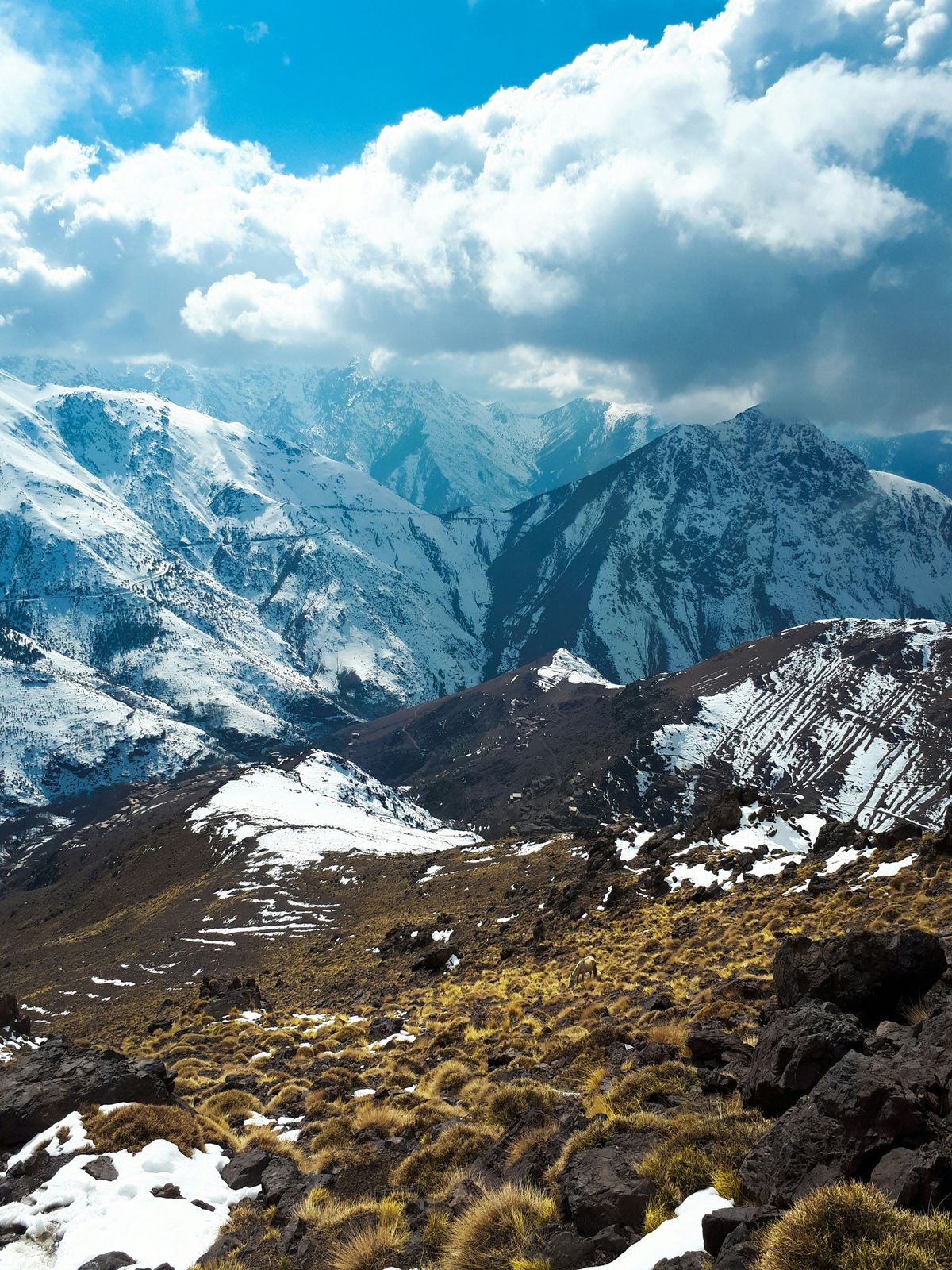
The Atlas Mountains: A Landscape Shaped by Seasons
Travelers often imagine Morocco as a land of deserts and warm weather. However, the Atlas Mountains experience four distinct seasons.
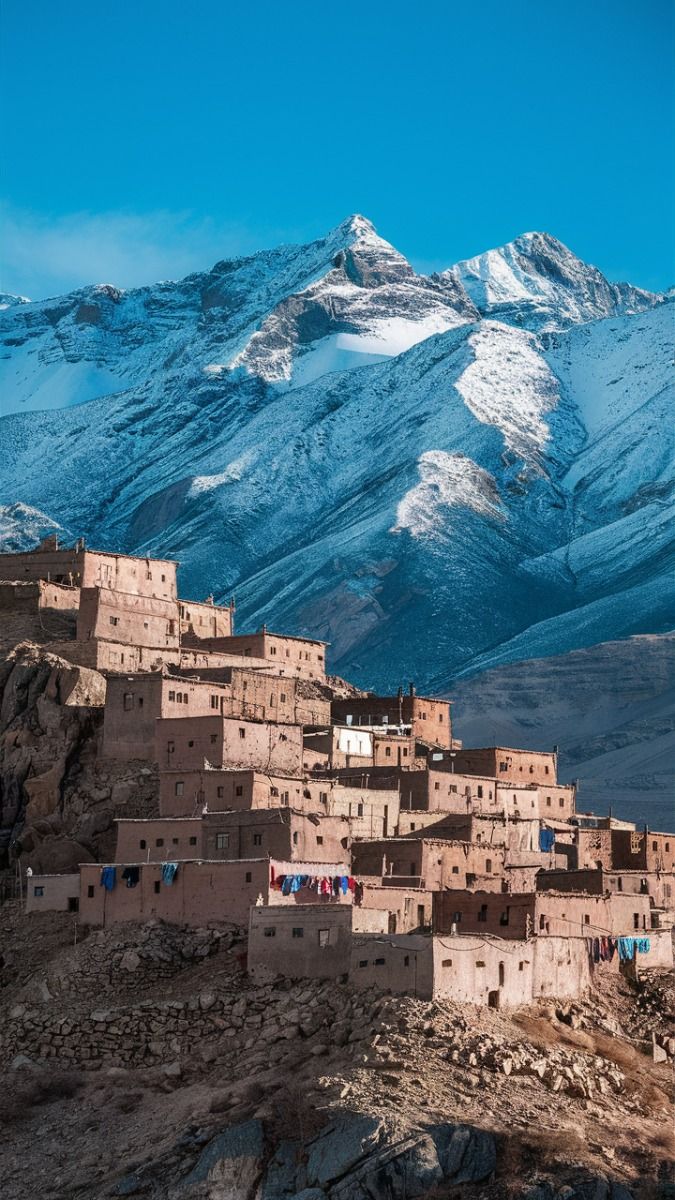
Snow blankets higher elevations during winter. Spring transforms valleys into vibrant landscapes. Summer brings warmth and agricultural activity. Autumn signals harvest time and preparation for colder months ahead.
Because of these dramatic changes, seasonal rhythms remain especially important.
Rather than resisting nature, Amazigh communities have learned to work alongside it.
Spring in the Atlas Mountains: A Season of Renewal
As winter snow begins to melt, the mountains awaken.
Streams swell with fresh water. Terraced fields regain their color. Almond trees blossom, and valleys burst with wildflowers.
For Amazigh communities, spring represents renewal and opportunity.
Agricultural Work Begins
Spring marks one of the busiest periods of the year.
Farmers prepare fields for cultivation and plant crops that will sustain families throughout the coming months.
Common crops include:
- Barley
- Wheat
- Corn
- Vegetables
- Fruit trees
Agriculture remains largely seasonal, making spring a critical time for success.
Shepherds Return to Higher Pastures
As temperatures rise, shepherds gradually guide their flocks toward greener grazing areas.
This seasonal movement has been practiced for generations.
The sight of sheep and goats moving across mountain slopes remains an iconic feature of Atlas Mountain life.
Spring Festivals and Gatherings
Spring also brings opportunities for celebration.
Many communities organize local gatherings that strengthen social bonds and mark the arrival of favorable weather.
Music, traditional dancing, and communal meals often accompany these events.
For visitors, spring offers an ideal opportunity to witness rural life at its most vibrant.
Summer in the Atlas Mountains: Life in Full Motion
Summer transforms the Atlas Mountains into a season of activity.
Long days allow families to maximize agricultural work while taking advantage of favorable weather conditions.
Meanwhile, mountain villages become increasingly lively.
Farming During the Warm Months
Fields require constant attention throughout summer.
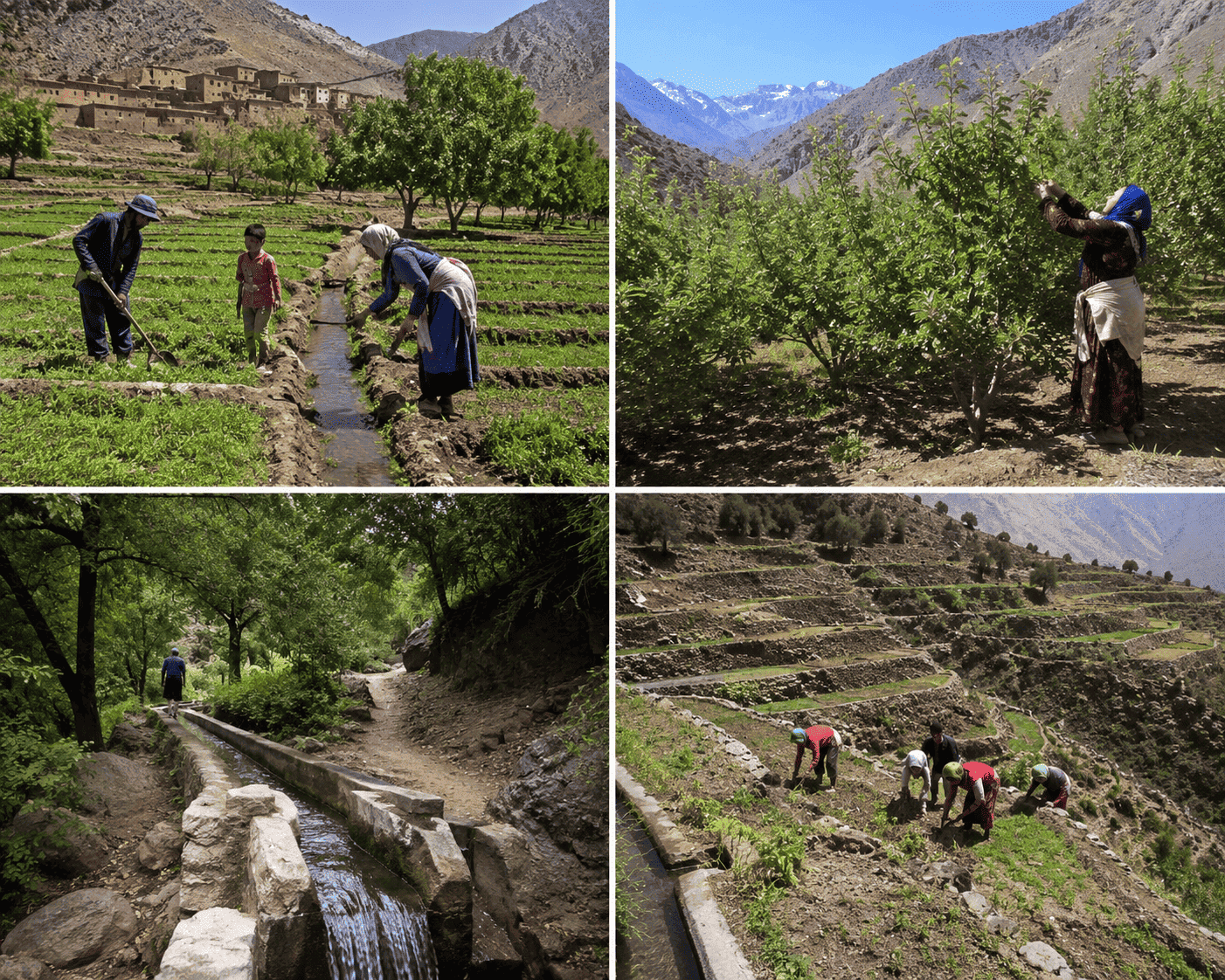
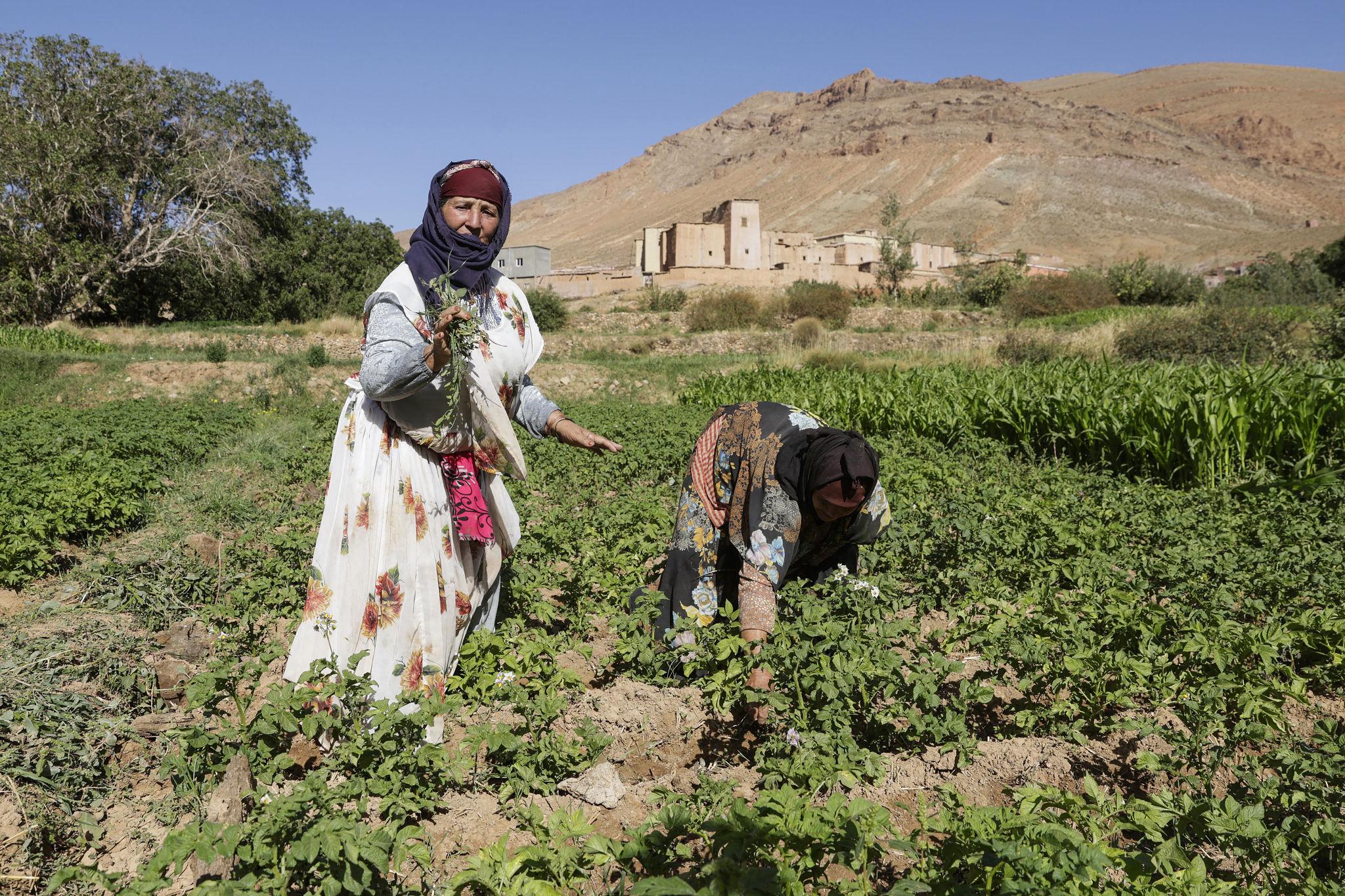
Families work together to irrigate crops, care for orchards, and maintain terraces built by previous generations.
Traditional irrigation systems continue to play an important role in many regions.
These ancient methods demonstrate remarkable engineering adapted to mountainous environments.
Village Life Outdoors
Summer encourages outdoor living.
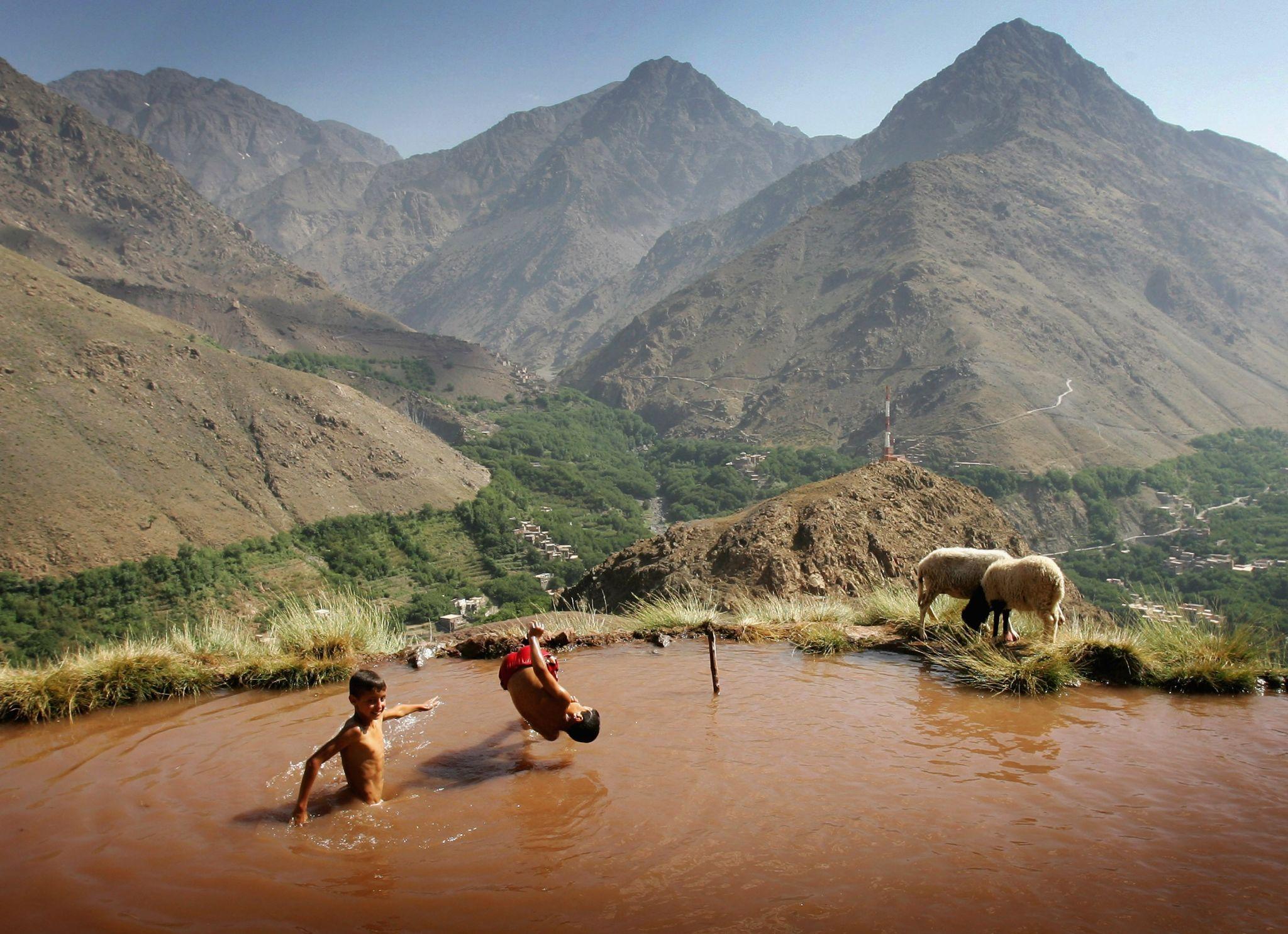
Children play in village pathways. Elders gather beneath shaded trees. Families spend evenings sharing meals and conversations outdoors.
The pleasant mountain climate often provides relief from the intense heat experienced elsewhere in Morocco.
Traditional Markets and Trade
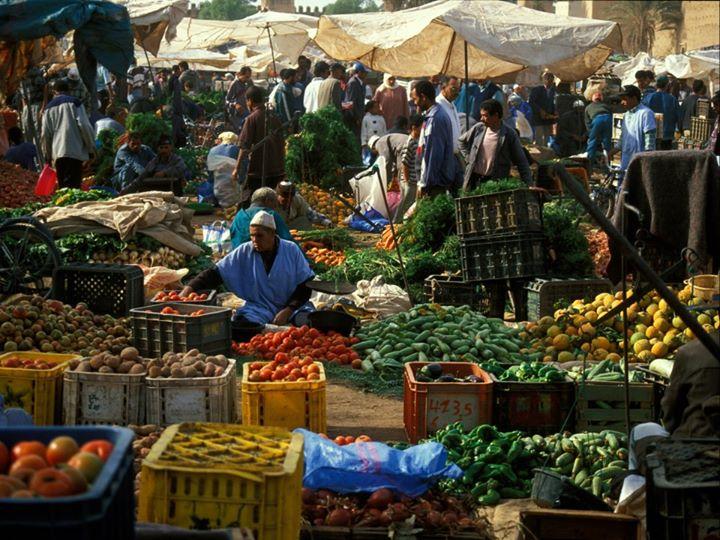
Weekly souks become particularly important during summer.
These markets serve as centers of commerce and social interaction.
Residents buy supplies, sell produce, exchange news, and reconnect with friends from neighboring villages.
For travelers, visiting a mountain souk offers valuable insight into everyday Amazigh life.
The Importance of Hospitality Throughout the Seasons
One tradition remains constant regardless of season: hospitality.
Amazigh culture places tremendous value on welcoming guests.
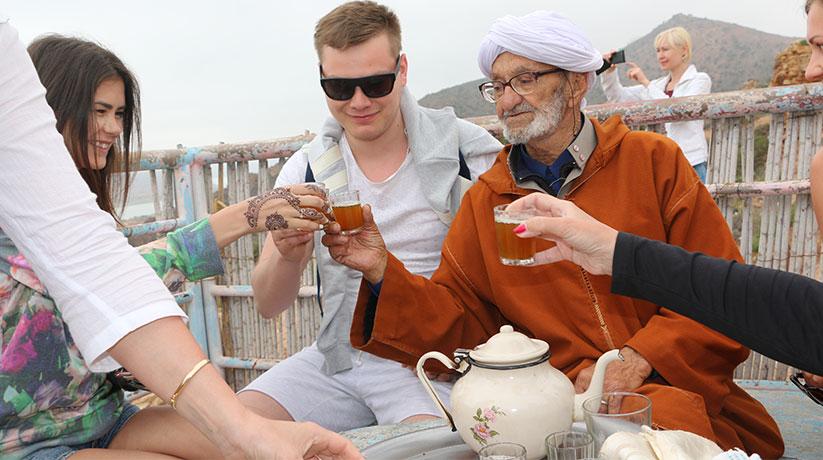
Travelers who visit mountain villages often encounter warm smiles, invitations for tea, and genuine curiosity.
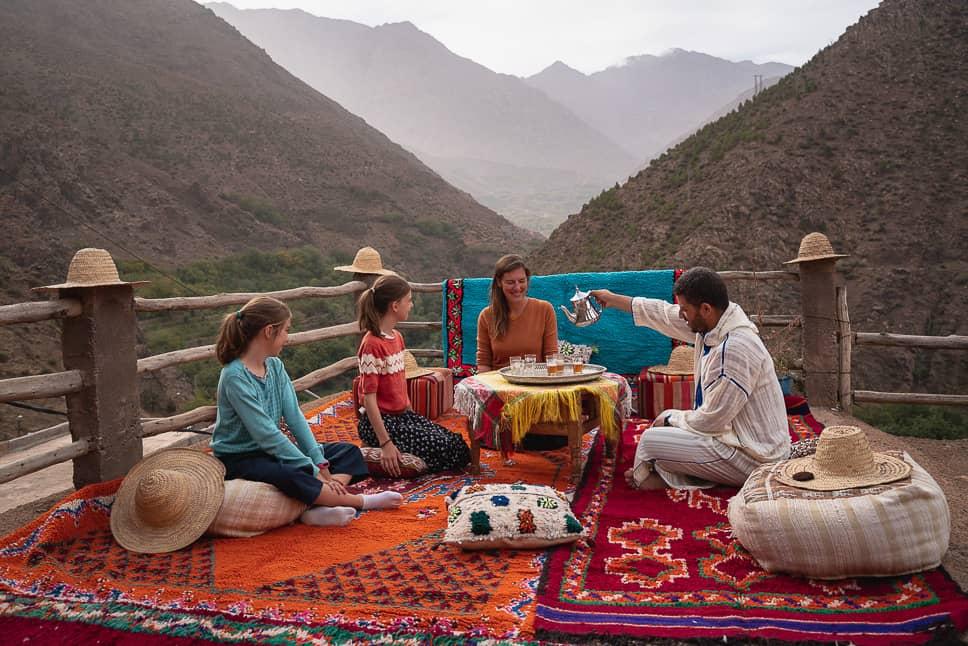
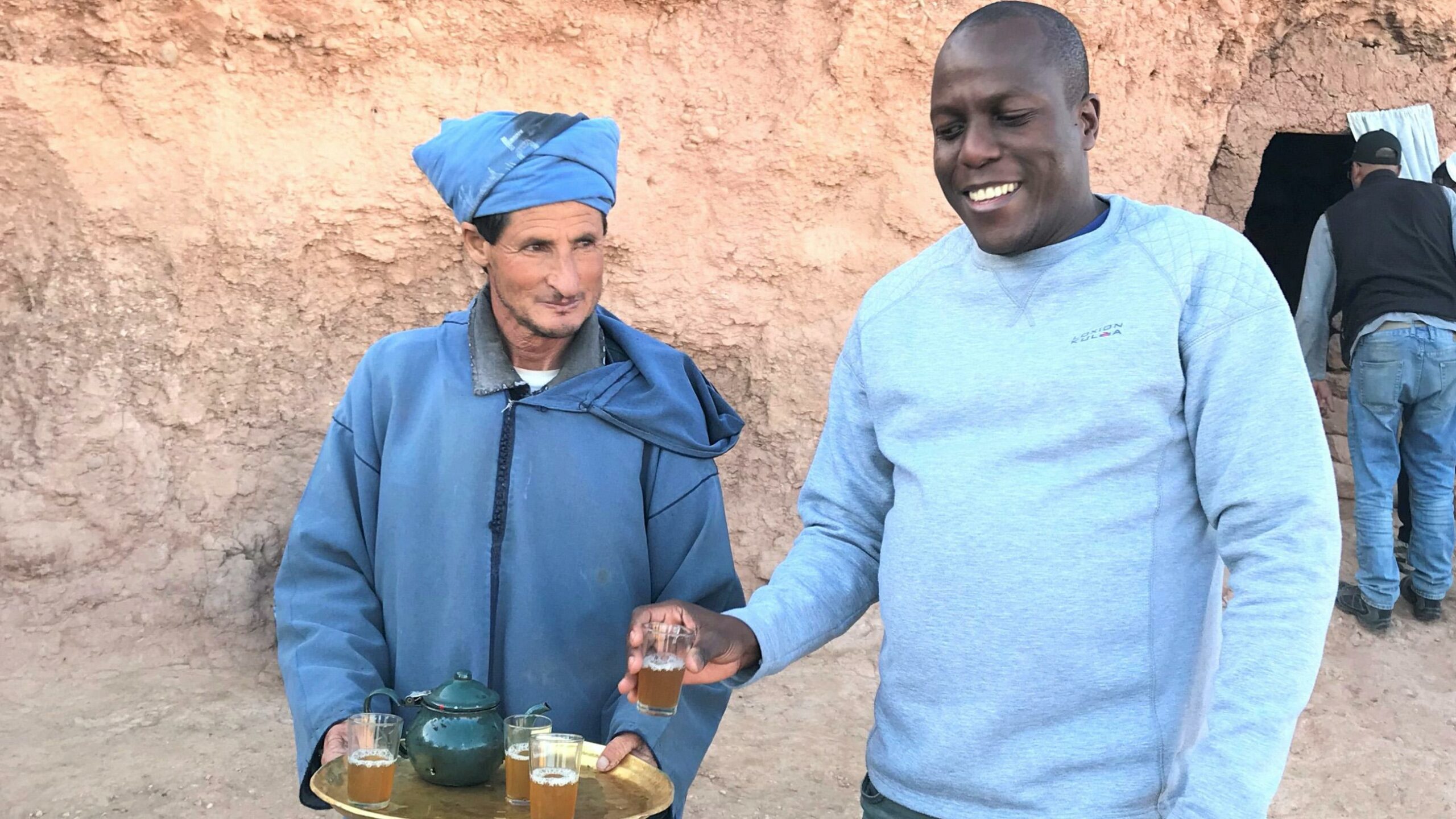
Sharing Mint Tea
Mint tea occupies a special place in social life.
Preparing and serving tea represents respect, friendship, and hospitality.
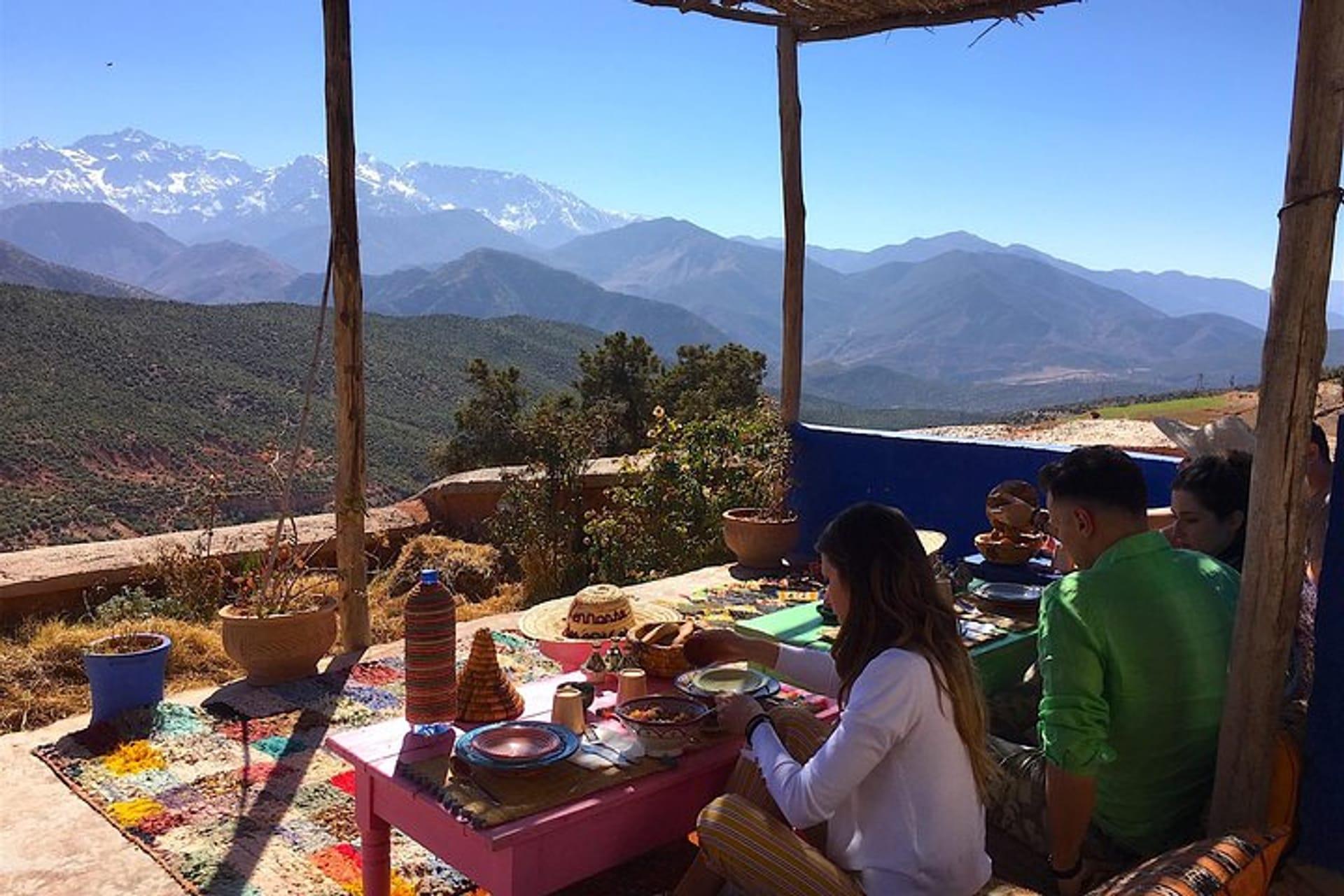
Guests are frequently offered tea upon arrival, whether visiting a family home or a rural guesthouse.
Community Cooperation
Mountain life requires collaboration.
Neighbors often assist one another during planting, harvesting, construction projects, and seasonal challenges.
This cooperative spirit strengthens social ties and contributes to community resilience.
Autumn in the Atlas Mountains: The Harvest Season
As summer gradually fades, autumn brings one of the most rewarding periods of the year.
The landscape takes on warm colors, and agricultural efforts begin to produce results.
Harvesting Crops
Autumn is harvest season.
Families gather crops that have been cultivated throughout spring and summer.
Harvest activities often involve multiple generations working together.
The atmosphere combines hard work with celebration.
Walnut and Apple Harvests
Many mountain regions are famous for their orchards.
Walnuts, apples, figs, and pomegranates become important seasonal products.
Visitors traveling through the Atlas Mountains during autumn often encounter roadside stalls selling freshly harvested produce.
Preparing for Winter
Autumn is also a season of preparation.
Families store food, gather firewood, and repair homes before winter conditions arrive.
These preparations remain essential in remote mountain communities where snowfall can limit access to supplies.
Winter in the Atlas Mountains: Resilience and Tradition
Winter presents unique challenges.
Snow frequently covers higher elevations, transforming villages into picturesque scenes reminiscent of alpine landscapes.
However, winter is about far more than scenery.
It tests the resilience of mountain communities.
Living With Snow
In some areas, snowfall can be substantial.
Roads occasionally become difficult to navigate.
Consequently, preparation during autumn is critical.
Stored food, firewood, and community support help families navigate colder months.
Family Life Indoors
Winter encourages a shift toward indoor activities.
Families spend more time together around traditional fireplaces.
Storytelling becomes particularly important.
Oral traditions allow elders to pass knowledge, history, and cultural values to younger generations.
Traditional Crafts During Winter
The quieter pace of winter creates opportunities for craftsmanship.
Women may weave carpets, textiles, and blankets.
Artisans continue producing jewelry, woodworking, and decorative items.
Many of Morocco’s most celebrated handicrafts have deep roots in mountain communities.
Seasonal Food Traditions in Amazigh Communities
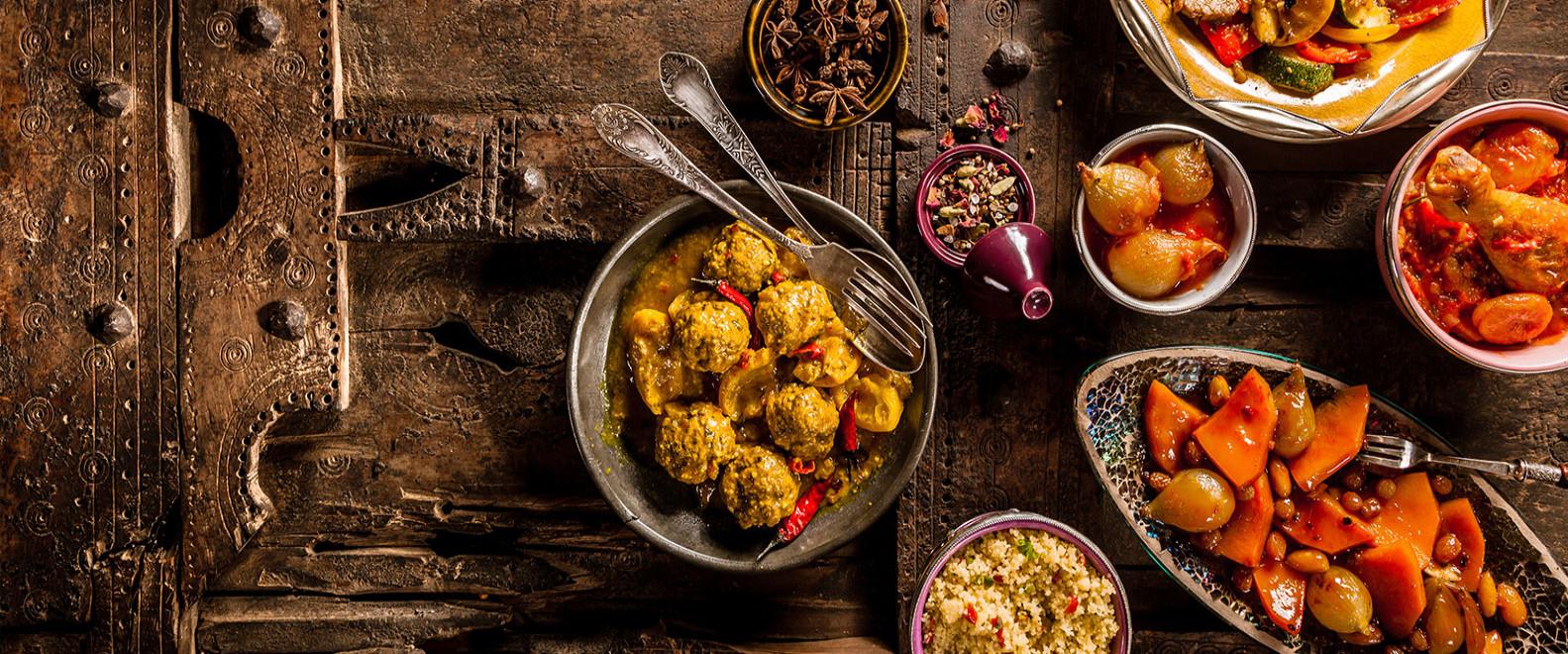
Food provides another fascinating reflection of seasonal rhythms.
Ingredients change throughout the year based on harvest cycles and local availability.
Spring Dishes
Fresh herbs and vegetables feature prominently during spring.
Meals often reflect the season’s sense of renewal.
Summer Produce
Summer brings an abundance of fruits and vegetables.
Tomatoes, peppers, melons, and seasonal produce enrich daily meals.
Autumn Harvest Foods
Autumn menus incorporate walnuts, apples, figs, and freshly harvested grains.
These ingredients often appear in festive meals and family gatherings.
Winter Comfort Foods
Winter encourages hearty dishes designed to provide warmth and nourishment.
Tagines, soups, and grain-based meals become especially important.
The use of locally sourced ingredients highlights the close relationship between food and environment.
Seasonal Festivals and Cultural Celebrations
The changing seasons influence many traditional celebrations.
Throughout the year, communities organize events that strengthen cultural identity and social cohesion.
Agricultural Celebrations
Harvest periods often inspire communal gatherings.
Music, dance, and shared meals create opportunities to celebrate collective achievements.
Moussems and Community Gatherings
Many regions host traditional moussems.
These festivals combine cultural, spiritual, and social elements.
Visitors may encounter horse performances, artisan markets, music, and regional cuisine.
Preserving Cultural Identity
Festivals serve an important purpose beyond entertainment.
They help preserve traditions and ensure cultural knowledge continues across generations.
The Role of Women in Seasonal Mountain Life
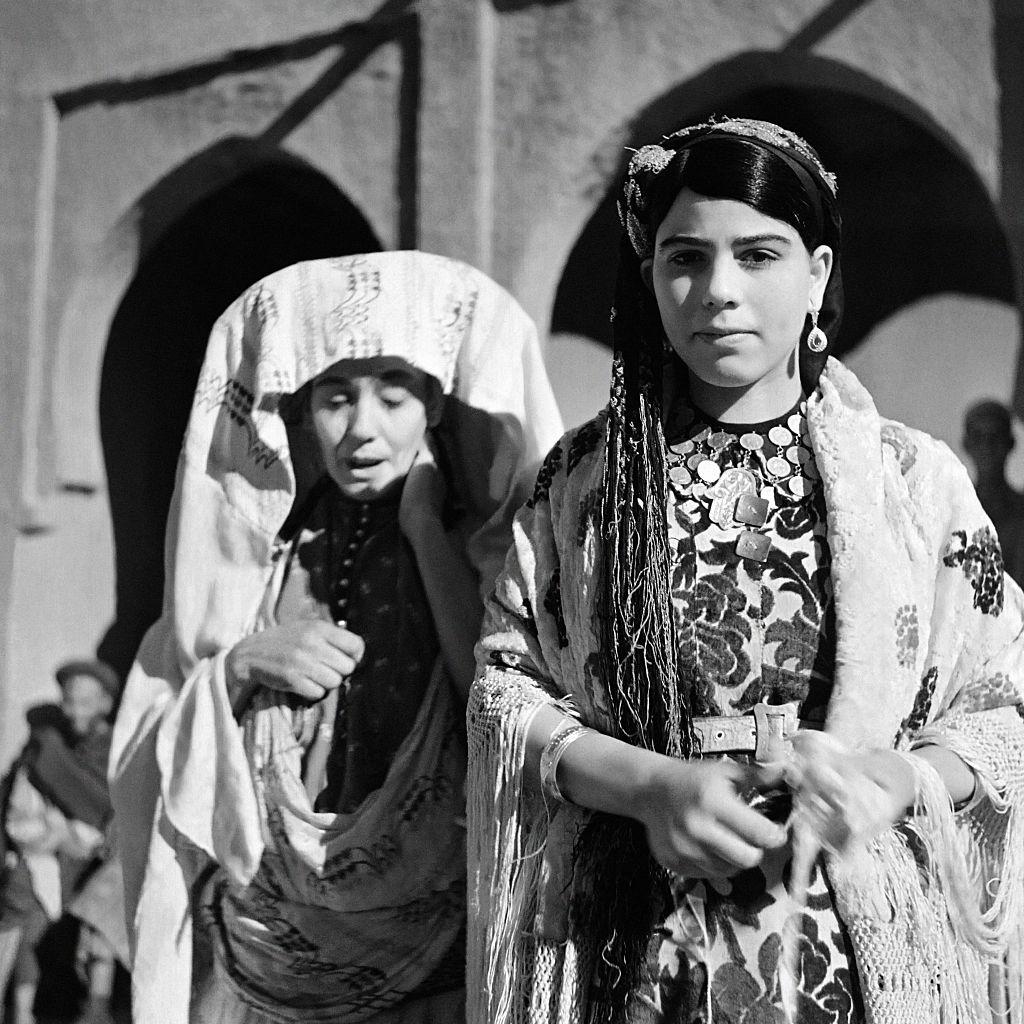
Women play an essential role within Amazigh communities.
Their contributions influence agriculture, family life, crafts, and cultural preservation.
Agricultural Participation
Women actively participate in planting, harvesting, and caring for livestock.
Their knowledge contributes significantly to household sustainability.
Preserving Traditional Crafts
Many traditional crafts are maintained through women’s expertise.
Weaving, embroidery, and textile production remain important cultural practices.
These skills often pass from mother to daughter.
Guardians of Oral Traditions
Women also help preserve stories, songs, and customs that form part of Amazigh cultural heritage.
Their role extends far beyond household responsibilities.
How Modern Changes Are Affecting Seasonal Rhythms
Although traditions remain strong, life in the Atlas Mountains continues to evolve.
Education, infrastructure improvements, tourism, and technology are influencing daily life.
Better Access to Services
Road improvements have increased connectivity between mountain villages and urban centers.
Access to healthcare and education has improved in many regions.
Tourism Opportunities
Cultural tourism provides new economic opportunities.
Guesthouses, guided hikes, and artisan cooperatives allow communities to benefit from visitor interest.
Balancing Tradition and Change
Many Amazigh communities strive to balance modernization with cultural preservation.
This balance represents one of the defining challenges of contemporary mountain life.
What Travelers Can Learn From Atlas Mountain Communities
A visit to the Atlas Mountains offers far more than scenic views.
It provides insight into a way of life shaped by cooperation, resilience, and respect for nature.
Slowing Down
Mountain communities often move at a different pace.
Visitors frequently discover the value of slowing down and appreciating simple moments.
Respecting Nature
Seasonal rhythms demonstrate the importance of living in harmony with the environment.
This relationship remains central to Amazigh culture.
Appreciating Community
Perhaps most importantly, travelers witness the strength of community connections.
Shared responsibilities, hospitality, and mutual support remain fundamental values.
Experiencing the Seasons as a Visitor
Each season offers a unique perspective on life in the Atlas Mountains.
Spring
Ideal for wildflowers, green valleys, and agricultural activity.
Summer
Perfect for trekking, cultural encounters, and village exploration.
Autumn
Excellent for harvest experiences, pleasant temperatures, and colorful landscapes.
Winter
Best for snow-covered scenery, cozy guesthouses, and traditional mountain atmosphere.
Regardless of when you visit, the Atlas Mountains reveal a rich tapestry of cultural traditions and seasonal practices.
Photo Gallerie