Tamazight Language in Morocco: History, Identity & Amazigh Culture

Phone
+212 660 44 471

Contactyourtourguide@gmail.com

Office
1111 rue El,Rue koufa Essaouira 44000

Hours
Monday-Sunday:
24/7
Before modern Morocco had borders, dynasties, or official institutions, Tamazight was already echoing through the mountains and valleys of North Africa.
Tamazight is not just a language spoken in Morocco. It is a record of belonging. It carries the sound of mountains, valleys, villages, family memory, and Indigenous presence across North Africa. In Morocco, Tamazight holds a place far deeper than grammar or vocabulary. It speaks of who has lived on the land for centuries, how memory survives across generations, and why language remains one of the strongest forms of cultural continuity.
To talk about Morocco without talking about Tamazight is to leave out one of the country’s oldest and most important voices. From the Rif to the Middle Atlas, from the High Atlas to the Souss and the southeast, Tamazight lives in daily conversation, songs, proverbs, place names, oral literature, and public life. It is heard in family homes, village markets, music festivals, local storytelling, and now increasingly in schools, media, and official signage.
This matters because language is never neutral. It shapes memory. It shapes identity. It shapes how people name the land and see themselves within it. In Morocco, Tamazight is one of the clearest expressions of Amazigh continuity, cultural dignity, and historical presence.
The History, Identity, and Culture Behind Tamazight in Morocco
What Is Tamazight?
Tamazight is the name commonly used for the Amazigh language in Morocco, though the term can also refer more broadly to the Amazigh language family spoken across North Africa. In Morocco, Tamazight does not exist as one single spoken form used identically from region to region. It includes several major varieties, each with its own sound, vocabulary, and local history.
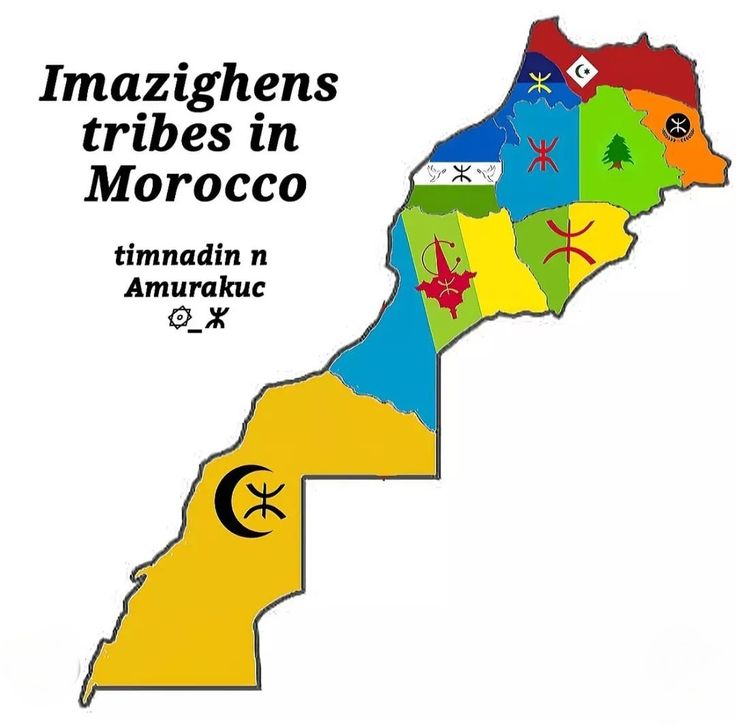
The three most widely recognized varieties in Morocco are Tarifit in the Rif region, Central Atlas Tamazight in the Middle Atlas and surrounding areas, and Tashelhit in the Souss, Anti-Atlas, and parts of the High Atlas. These forms are closely related, but they are not identical. Each carries its own regional identity and oral tradition.
For many Moroccans, Tamazight is the language of home, ancestry, and local belonging. For others, it is part of a wider national discussion about culture, rights, and recognition. In both cases, its importance goes far beyond speech alone.
The Deep Roots of Tamazight in Morocco
Tamazight is one of the oldest living languages in Morocco. Its roots go back to the Indigenous Amazigh populations of North Africa, whose presence predates Arab conquest, Roman rule, and modern state borders. Long before Morocco existed as a modern nation, Amazigh communities were already living across its mountains, plains, and desert edges, naming places, passing on oral traditions, and building social life through their own languages.
That historical depth gives Tamazight unusual weight. It is not a recent identity marker created by modern politics. It is part of the oldest cultural layer in Morocco. Place names across the country still carry Amazigh linguistic roots. Many agricultural terms, village names, oral expressions, and local customs reflect this long presence.
Language in this sense becomes a form of historical evidence. Tamazight shows continuity where official history has sometimes focused elsewhere. It reminds Morocco, and anyone trying to understand Morocco, that the country was not built from one language or one identity alone.
Tamazight as a Voice of Land
Tamazight is closely tied to landscape. This is one of the reasons it remains so emotionally powerful. In many Amazigh-speaking regions, the language is full of terms shaped by mountain life, seasonal movement, agriculture, water management, herding, and village structure. It grew in direct contact with the land.
That connection still matters. In Morocco, Tamazight is often heard most strongly in rural areas where local knowledge remains linked to weather, crops, pasture, forests, and shared resources. The language carries ways of describing terrain, work, kinship, and belonging that do not always transfer easily into other languages. It reflects a life shaped by local conditions and long experience.
This is why many people describe Tamazight as a voice of the land. It does not only name places. It reflects how people live with those places. A language built in mountain villages, farming communities, and pastoral life holds a different rhythm from one shaped mainly by bureaucracy or urban administration. Tamazight carries that rhythm.
Tamazight and Amazigh Identity
No discussion of Tamazight in Morocco can be separated from Amazigh identity. The language is one of the strongest markers of Amazigh cultural continuity, especially after long periods in which Amazigh history and language received limited official space.
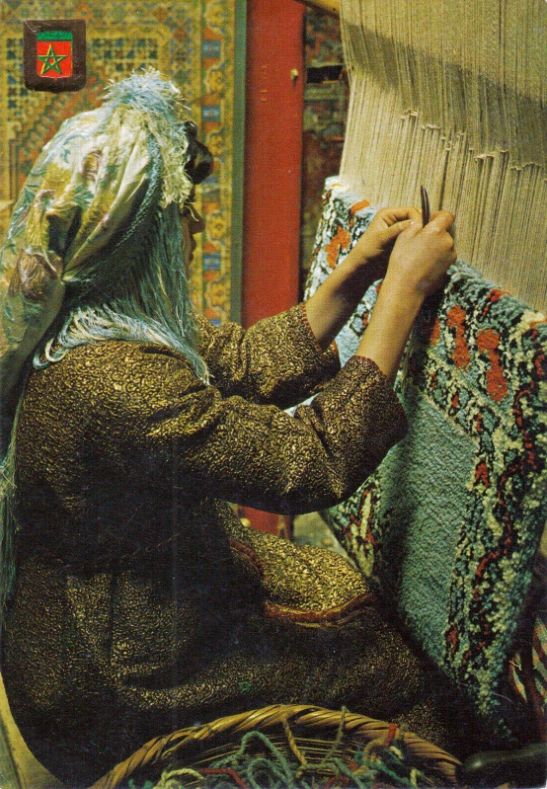
For many speakers, Tamazight is the clearest expression of who they are and where they come from. It connects generations. A grandmother speaks it to a child. Songs preserve it. Proverbs sharpen it. Oral stories keep it alive. Through that everyday use, identity remains active rather than symbolic.
At the same time, Amazigh identity in Morocco is complex and layered. Many Moroccans move between Tamazight, Arabic, French, and sometimes Spanish depending on region and circumstance. Some identify strongly as Amazigh. Others hold mixed identities that reflect several historical layers at once. Tamazight fits into this multilingual reality, but it also stands as a clear reminder that Amazigh culture is not a minor footnote in Moroccan life. It is one of its foundations.
Regional Varieties of Tamazight in Morocco
One of the most important things to understand about Tamazight is that it is not spoken in one uniform way across Morocco. Regional variation is a basic part of its history and its strength.
Tarifit is spoken mainly in the Rif in northern Morocco. It reflects the geography and history of a mountain region known for strong local identity and a long tradition of resistance, migration, and community cohesion.
Central Atlas Tamazight is spoken in the Middle Atlas and nearby areas. It carries the sound of mountain and plateau life, with strong ties to pastoral culture, village networks, and oral poetry.
Tashelhit is spoken in the Souss, the Anti-Atlas, and parts of the High Atlas and southern Morocco. It is one of the most widely spoken Amazigh varieties in the country and has a rich tradition of oral literature, music, and regional expression.
These varieties share a common Amazigh base, but they are distinct enough that standardization and education have required careful planning. This has shaped modern efforts to teach Tamazight in schools and use it in state institutions.
Tifinagh and the Visibility of Tamazight
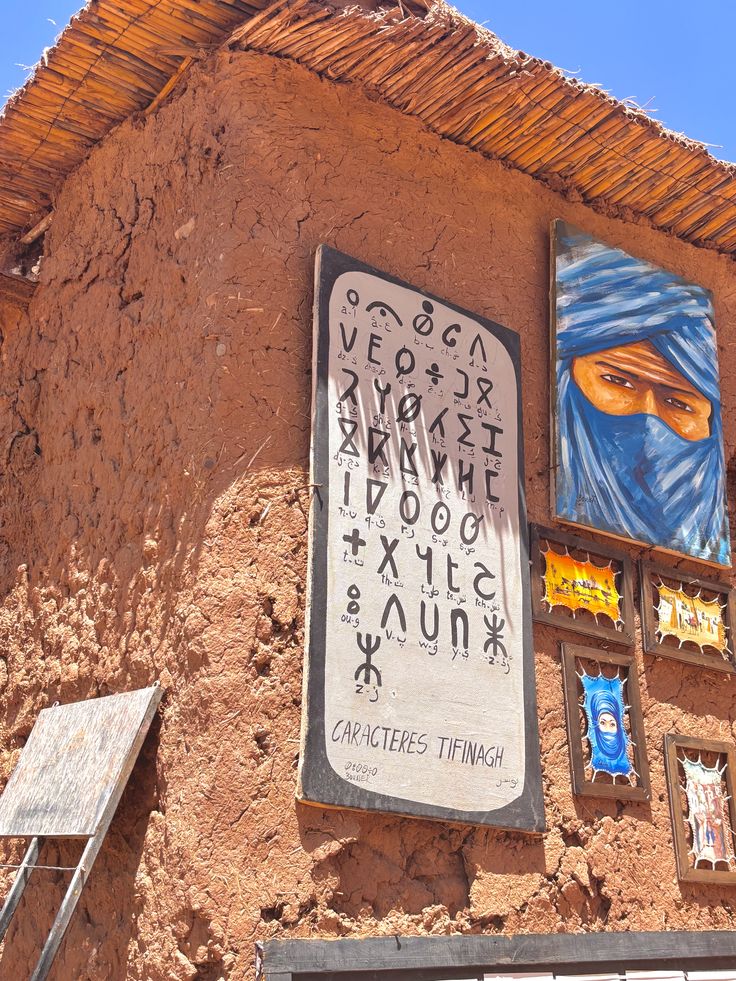
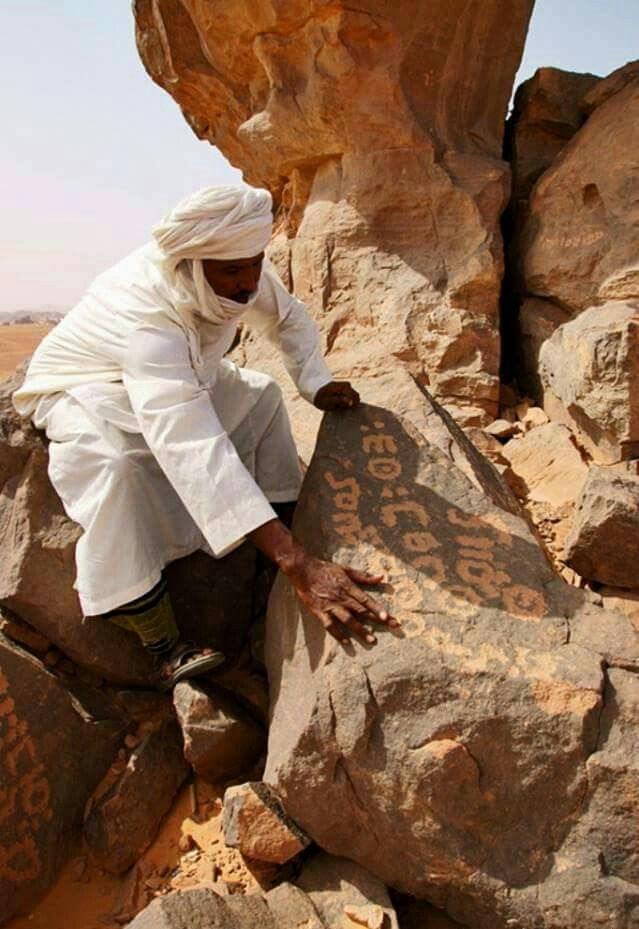
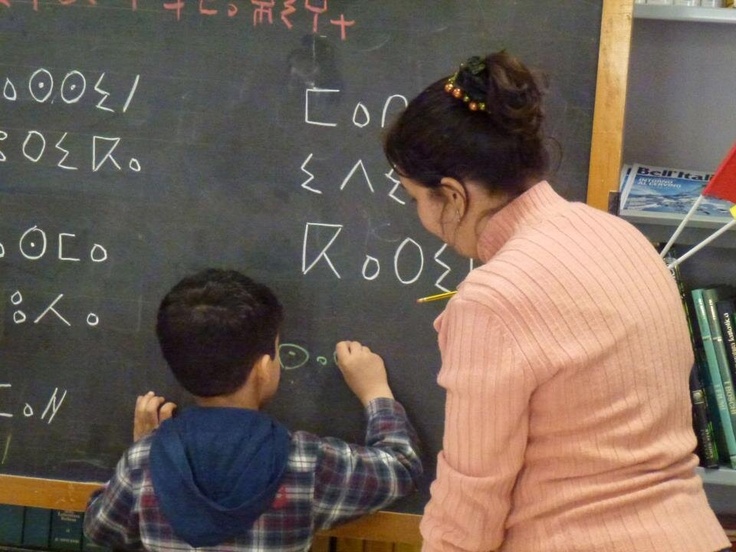
One of the most visible signs of Tamazight’s public recognition in Morocco is Tifinagh, the script used to write it. Tifinagh has deep historical roots in Amazigh culture, especially among Tuareg communities, and its modern standardized form has become a powerful symbol of cultural recognition.
In Morocco, Tifinagh appears on road signs, public buildings, school materials, television graphics, and official documents linked to Amazigh language policy. Its presence matters because it makes Tamazight visible in public space. It tells speakers that their language belongs not only in oral tradition or private life, but also in national life.
That symbolic force should not be underestimated. For communities whose language was often confined to home and village, public writing changes perception. It signals dignity. It signals recognition. It says that Tamazight is part of Morocco’s official voice.
Official Recognition of Tamazight in Morocco
A major turning point came in 2011, when Morocco’s constitution recognized Amazigh as an official language of the state alongside Arabic. This was a historic moment in the country’s language politics and cultural life. It acknowledged what many Moroccans had long known: Tamazight was never marginal to the nation, even if policy had often treated it that way.
Before that recognition, Amazigh cultural activism had already pushed for more visibility, better representation, and formal support. Important groundwork came through institutions such as the Royal Institute of Amazigh Culture, created in 2001. This institution played a major role in language planning, educational material, research, and the standardization of written Tamazight.
Official recognition did not solve every issue overnight. Implementation takes time, funding, training, and political will. Still, the constitutional shift changed the terms of the conversation. Tamazight moved from a tolerated cultural presence to a recognized part of the Moroccan state.
Tamazight in Education
Education remains one of the most important areas for the future of Tamazight in Morocco. A language stays strong when children can learn it, read it, write it, and see it treated with respect in formal settings.
Over the past years, Tamazight has entered parts of the school system, especially at the primary level. This has allowed more children to encounter the language not only as spoken heritage but as a subject of literacy and civic value. That matters for both Amazigh-speaking children and those from other linguistic backgrounds. It presents Tamazight as part of shared national culture rather than a regional curiosity.
Still, challenges remain. Teacher training, curriculum consistency, regional variation, and the pace of implementation continue to shape results. In some places progress has been real. In others, it has moved slowly. Yet the wider point stands: bringing Tamazight into the classroom changes its public status and strengthens its future.
Tamazight in Media, Music, and Public Culture
One reason Tamazight has remained so alive in Morocco is that it has never depended only on institutions. It survived for centuries through oral use, songs, poetry, storytelling, and local memory. Today, the media and popular culture continue that work in new forms.
Tamazight can be heard on radio, television, online platforms, and music across Morocco. Amazigh artists perform in different regional varieties, mixing older poetic forms with modern genres. This gives the language reach beyond the village and beyond older generations.
Public culture matters because language survives through use, not only recognition. A language spoken in songs, films, interviews, comedy, and everyday media remains socially active. Young people, especially, often connect to language through music and digital content before they connect to it through formal policy.
This cultural presence helps protect Tamazight from being reduced to heritage alone. It remains current. It speaks in the present tense.
Tamazight as Memory
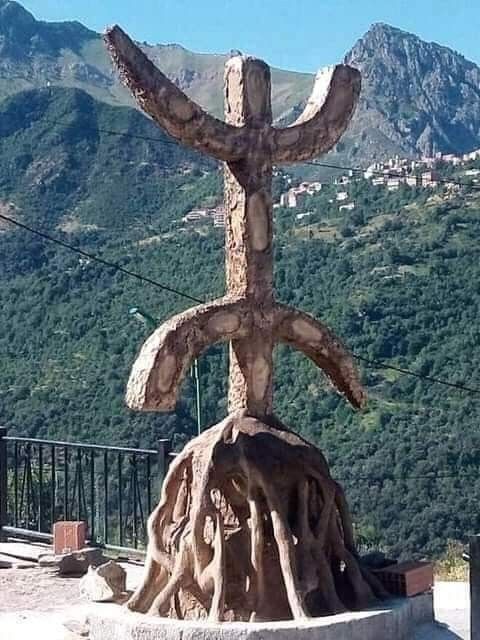
Language stores memory in ways that archives cannot fully match. Tamazight carries family stories, oral history, place-based knowledge, agricultural vocabulary, songs of migration, expressions of grief, humor, and pride. It holds ways of seeing the world that are closely tied to Amazigh life in Morocco.
This is why language loss feels so serious in many communities. It is not only about fewer speakers. It is about the weakening of memory itself. When a language fades, certain proverbs stop making sense. Old songs lose force. Local knowledge becomes harder to pass on. Names of plants, seasonal practices, or social customs may vanish with the words that held them.
In Morocco, Tamazight remains one of the strongest vessels of Amazigh historical memory. It carries what written national histories often left incomplete. It remembers the land from inside.
The Challenges Facing Tamazight Today
Tamazight has gained recognition, but recognition alone does not remove pressure. Like many Indigenous and regional languages, it faces several challenges in modern life.
Urbanization has changed family language patterns. In some homes, parents shift toward Arabic or French because they believe those languages offer better access to education and work. Migration can weaken intergenerational transmission. Some children understand Tamazight but do not speak it with confidence. Standardization, though important, can also raise questions when speakers feel the strongest attachment to their local variety.
There is also the broader pressure of prestige. Languages connected to state administration, business, and high-status schooling often gain practical advantage. Tamazight remains deeply respected in many communities, but public equality takes more than symbolic support.
Still, pressure is not the same as decline without hope. Tamazight has survived larger historical challenges before. Its current position, with official recognition and growing cultural visibility, gives it a stronger platform than in many earlier periods.
Why Tamazight Matters for Morocco as a Whole
Tamazight matters not only to Amazigh speakers but to Morocco as a whole. It broadens the national story. It reminds the country that its identity is plural, historical, and layered. A Morocco that gives real space to Tamazight speaks more honestly about itself.
This matters in practical ways and symbolic ones. Public recognition supports social inclusion. Education can reduce cultural distance. Media representation can strengthen national cohesion without forcing sameness. Morocco does not become weaker by recognizing Tamazight. It becomes more complete.
For visitors, researchers, and readers, Tamazight also offers a better path into Moroccan culture. It reveals older histories, local meanings, and a different map of the country, one shaped not only by cities and dynasties, but by villages, oral knowledge, and Indigenous continuity.
Frequently Asked Questions About Tamazight in Morocco
What is Tamazight in Morocco?
Tamazight is the Amazigh language spoken in Morocco. It includes several regional varieties, including Tarifit, Central Atlas Tamazight, and Tashelhit.
Is Tamazight an official language in Morocco?
Yes. Since 2011, Amazigh has been recognized as an official language of the Moroccan state alongside Arabic.
What is Tifinagh?
Tifinagh is the script used to write Tamazight. In Morocco, it appears in schools, public signs, and official cultural contexts.
Who speaks Tamazight in Morocco?
Tamazight is spoken by millions of Moroccans, especially in the Rif, the Atlas Mountains, the Souss, and southern regions. Many others also identify with Amazigh heritage even if they do not speak it fluently.
Why is Tamazight important?
Tamazight is important because it carries Amazigh memory, Indigenous history, regional identity, and one of the oldest living cultural traditions in Morocco.
Tamazight is still here, still spoken, still sung, still written on signs, still carried in the mouths of children and elders. It names the land, remembers the past, and refuses silence. Any serious reading of Morocco has to hear that voice clearly.
The Tamazight language in Morocco is more than a way of speaking. It is a living connection between people, land, memory, and history. Across the Rif, the Atlas Mountains, the Souss, and the southern regions, Tamazight continues to carry stories, traditions, songs, and ways of understanding the world that have survived for centuries.
Its presence in schools, media, public signs, and cultural life reflects an important shift in Morocco’s relationship with its Amazigh heritage. Yet the true strength of Tamazight does not come only from official recognition. It comes from the people who continue to speak it at home, sing it in music, preserve it in oral traditions, and pass it from one generation to the next.
Understanding Morocco fully means listening to all the voices that shaped it. Tamazight remains one of the oldest, strongest, and most meaningful among them. It speaks of resilience, belonging, and cultural continuity in a country whose identity has always been rich, layered, and diverse. As long as it continues to be spoken, taught, written, and celebrated, Tamazight will remain a powerful voice of Amazigh memory and Moroccan identity.
Photo Gallerie