Amazigh Food Culture: Traditional Moroccan Dishes, Rituals & Hidden Meanings

Phone
+212 660 44 471

Contactyourtourguide@gmail.com

Office
1111 rue El,Rue koufa Essaouira 44000

Hours
Monday-Sunday:
24/7
Moroccan cuisine is often described through famous dishes like tagine, couscous, mint tea, and freshly baked bread. Yet behind many of these culinary traditions lies a much older cultural foundation: the Amazigh food heritage of North Africa.
Long before Morocco became known for imperial cities, spice markets, and royal cuisine, Amazigh communities were shaping a food culture deeply connected to mountains, deserts, seasons, spirituality, and collective life. Across the High Atlas, the Rif, the Sous Valley, and the Sahara, Amazigh families developed cooking traditions based on resilience, simplicity, hospitality, and respect for the land.
Food in Amazigh culture is never just about eating. Every ingredient, ritual, and cooking method carries meaning. Bread represents dignity and survival. Couscous symbolizes unity and blessing. Mint tea expresses hospitality and trust. Shared meals reinforce family bonds, village solidarity, and historical memory.
Even today, travelers exploring Morocco encounter Amazigh culinary traditions everywhere — often without realizing it. The clay tagine simmering slowly over charcoal, the hand-rolled couscous served on Fridays, the olive oil pressed in mountain villages, and the communal style of eating from one plate all reflect centuries of Amazigh influence.
Understanding Amazigh food culture offers a deeper way to experience Morocco itself. It reveals how geography, identity, ritual, and history continue to shape everyday life across the country.
A Journey Through Amazigh Food Culture: Moroccan Flavors, Traditions & Meanings
The Ancient Origins of Amazigh Cuisine
The Amazigh people, Indigenous to North Africa, developed one of the oldest continuous food traditions in the Mediterranean and Saharan worlds. Their cuisine emerged long before modern borders existed, shaped by mountain agriculture, nomadic survival, caravan trade, and seasonal adaptation.
Unlike royal or urban cuisines that depended on imported luxuries, Amazigh food traditions evolved from practicality and environmental knowledge.
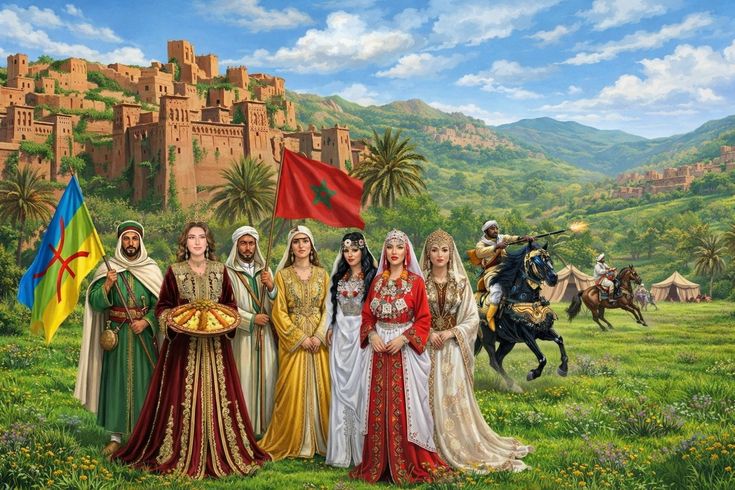
Communities learned how to survive harsh winters, droughts, and isolation using local ingredients such as:
- Barley
- Wheat
- Olive oil
- Dates
- Almonds
- Goat milk
- Herbs
- Honey
- Dried meat
- Seasonal vegetables
Preservation techniques became essential. Families dried figs, fermented butter, stored grains in collective granaries, and prepared preserved foods designed to last through difficult seasons.
This relationship with scarcity shaped Amazigh cooking philosophy. Meals were designed not only for flavor but for endurance, nourishment, and community survival.
Even today, many traditional Amazigh recipes still reflect this ancient mindset: simple ingredients transformed slowly through patience and technique.
Why Food Holds Deep Meaning in Amazigh Society
In Amazigh culture, food functions as a form of communication.
Meals express hospitality, respect, social hierarchy, celebration, gratitude, and spiritual protection. Important moments in life — births, weddings, harvests, religious festivals, and seasonal transitions — are all marked through specific foods and collective meals.
Historically, recipes were transmitted orally, especially through women, who preserved culinary knowledge across generations. Cooking methods, symbolic ingredients, and ritual practices were rarely written down. Instead, they survived through memory, observation, repetition, and family tradition.
This is one reason Amazigh food culture remains deeply emotional for many Moroccans today. Recipes are often associated with childhood memories, grandmothers, village life, and seasonal gatherings.
Food preserves identity in a way that books sometimes cannot.
Couscous: The Sacred Dish of Community
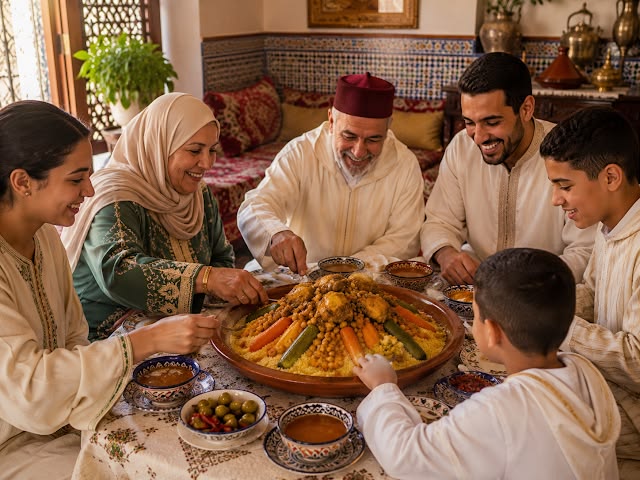
No dish represents Amazigh culinary heritage more than couscous.
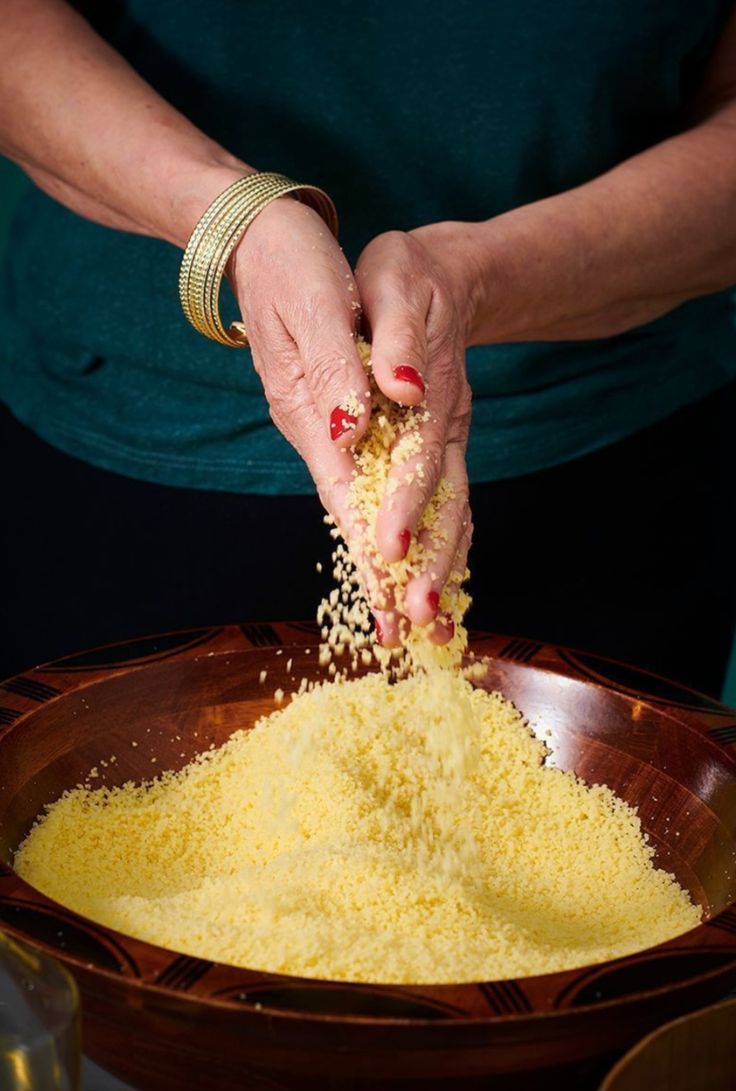
Known traditionally as seksu, couscous originated within Amazigh societies centuries before becoming globally associated with Moroccan cuisine. Hand-rolled semolina grains steamed over aromatic broth became one of North Africa’s defining foods.
But couscous is far more than a meal.
Across Morocco, it symbolizes:
- Unity
- Abundance
- Blessing
- Family gathering
- Spiritual gratitude
Traditionally served on Fridays after communal prayer, couscous often brings entire families together around one large dish. Eating collectively from the same plate reinforces social connection and equality.
In Amazigh villages, couscous also appears during:
- Weddings
- Funerals
- Harvest celebrations
- Religious festivals
- New Year ceremonies
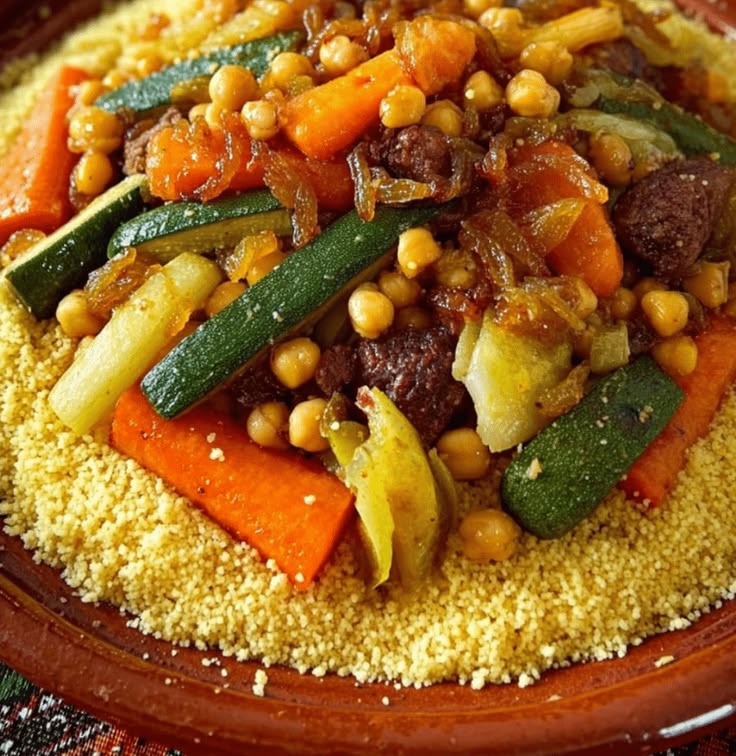
Different regions prepare couscous differently. Mountain communities may use barley couscous instead of wheat. Desert areas often incorporate dried vegetables and preserved meats.
Special ceremonial couscous sometimes includes:
- Caramelized onions
- Raisins
- Almonds
- Cinnamon
- Chickpeas
- Lamb
Each variation reflects local ecology and historical tradition.
The Hidden Symbolism of Bread in Amazigh Culture
Bread in Amazigh culture is sacred.
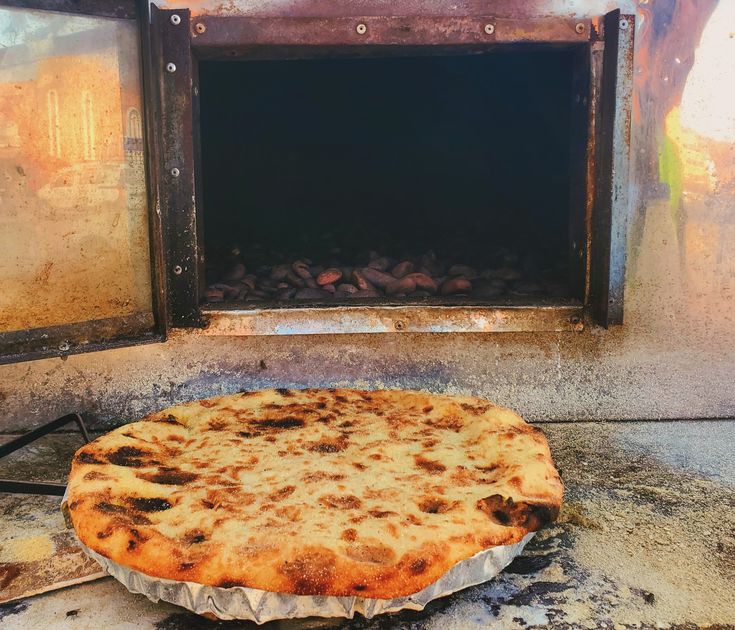
Known in many Amazigh regions as aghroum, traditional bread is not treated as an ordinary side dish. It represents dignity, labor, survival, and blessing.
For centuries, bread-making formed the emotional center of household life.
Women prepared dough by hand using barley or wheat flour, often baking it in clay ovens, stone ovens, or directly over heated surfaces. Bread accompanied nearly every meal.
In many rural communities, wasting bread is still considered deeply disrespectful. Dropped bread may be kissed and lifted respectfully from the ground.
This symbolic value comes from generations of hardship where grain represented life itself.
Traditional Amazigh bread varies widely across Morocco:
Tafarnout
A thick rustic bread baked in clay ovens, especially common in southern Morocco.
Taghrift
Round mountain bread prepared daily in Atlas villages.
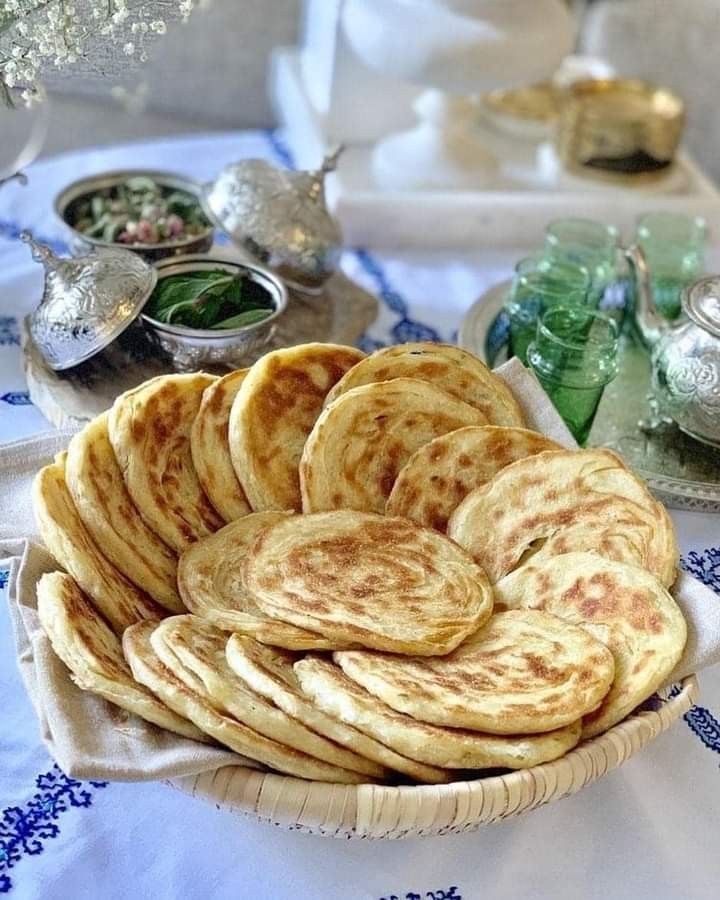
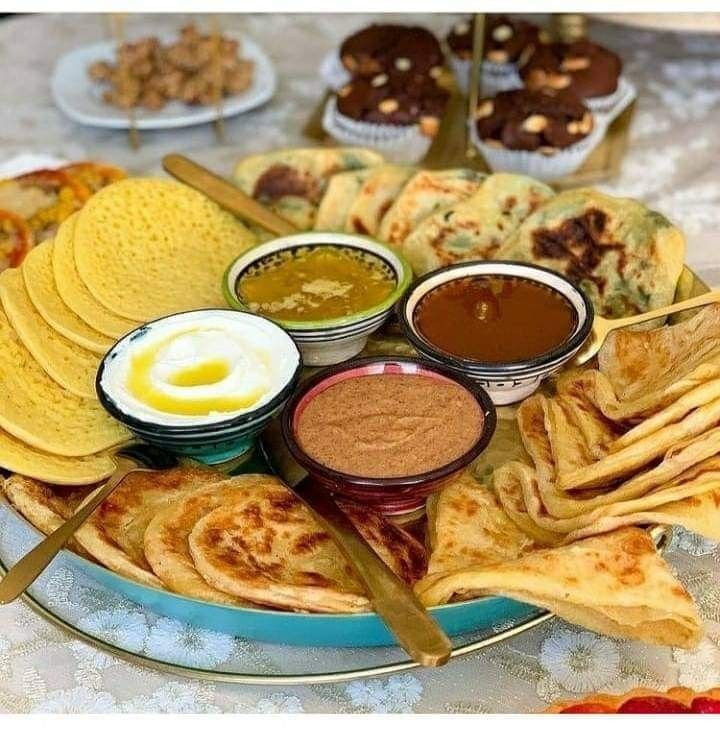
Batbout and Flatbreads
Soft breads cooked on hot surfaces and served with olive oil, honey, or tea.
Fresh bread remains central to Moroccan hospitality today.
Tagine: A Cooking Method Born From Survival
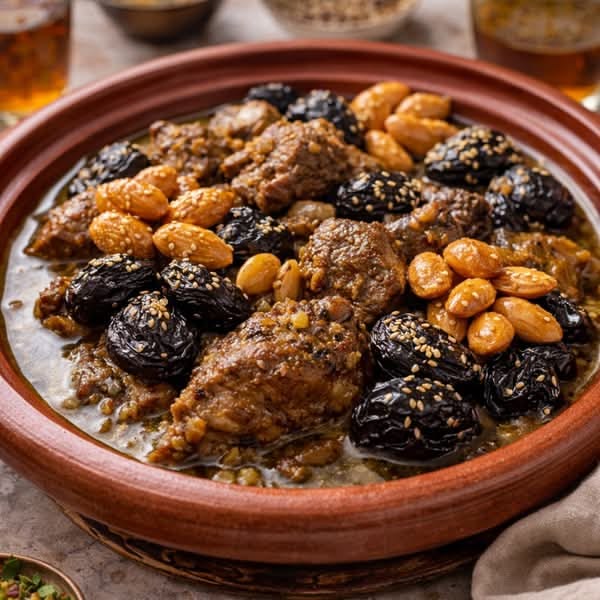
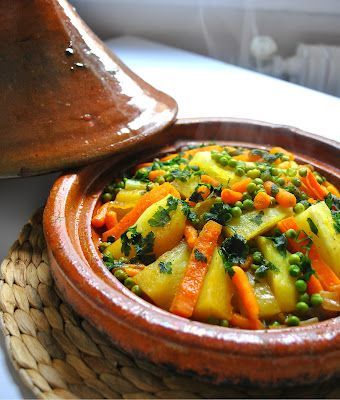
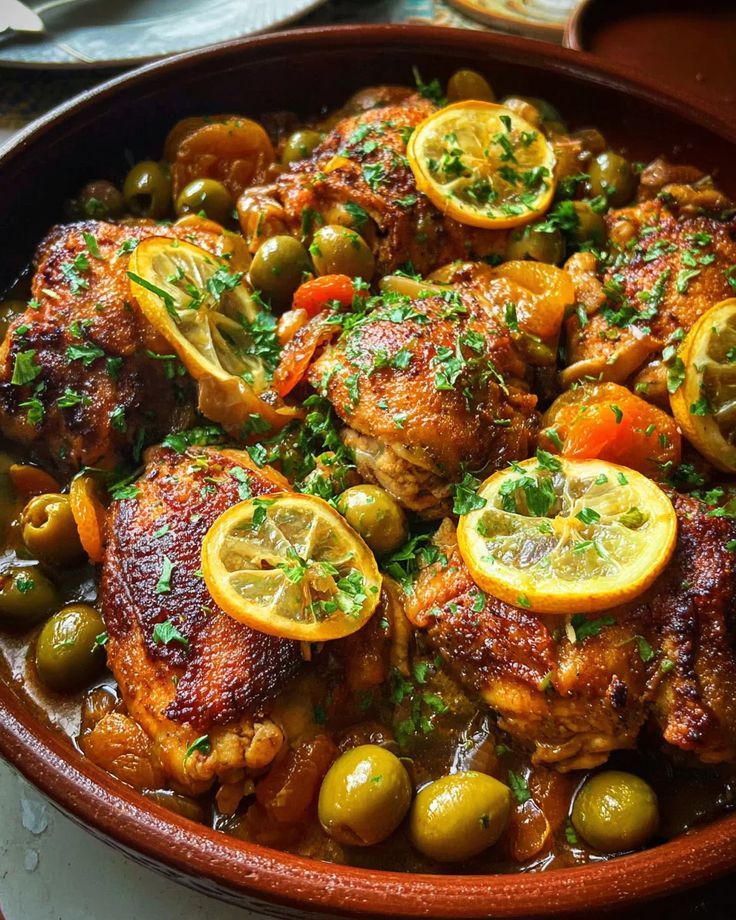
The tagine is one of Morocco’s most famous culinary symbols, but its origins are deeply Amazigh.
The conical clay cooking vessel was developed by Amazigh communities seeking a practical method for slow-cooking food using minimal water and fuel.
The shape of the tagine traps steam and circulates moisture back into the dish, making it ideal for arid mountain and desert environments.
This technique transformed simple ingredients into deeply flavorful meals.
Traditional Amazigh tagines often relied on what was locally available:
- Lamb
- Seasonal vegetables
- Olives
- Herbs
- Dried fruits
- Preserved lemons
- Chickpeas
Unlike fast modern cooking, tagines require patience. Slow simmering allows flavors to develop gradually.
This slower rhythm reflects broader Amazigh cultural values connected to hospitality and communal time.
Meals are not rushed. Food is meant to gather people together.
Mint Tea and the Ritual of Hospitality
Few rituals are more important in Moroccan culture than the serving of mint tea.
Often called “Amazigh whiskey” humorously by travelers, Moroccan mint tea has become one of the strongest symbols of hospitality across the country.
Tea is not simply offered as a beverage.
It represents:
- Welcome
- Trust
- Respect
- Conversation
- Social connection
Traditional preparation itself becomes ceremonial.
The tea is poured from a height to create foam and oxygenate the drink. Guests are usually served multiple rounds while conversations unfold slowly.
Refusing tea in rural Amazigh communities can sometimes be interpreted as rejecting hospitality itself.
Historically, tea gatherings allowed families and travelers to exchange news, stories, poetry, and village discussions.
Even today, tea remains central to Moroccan social life.
Amlou: Morocco’s Ancient Amazigh Superfood
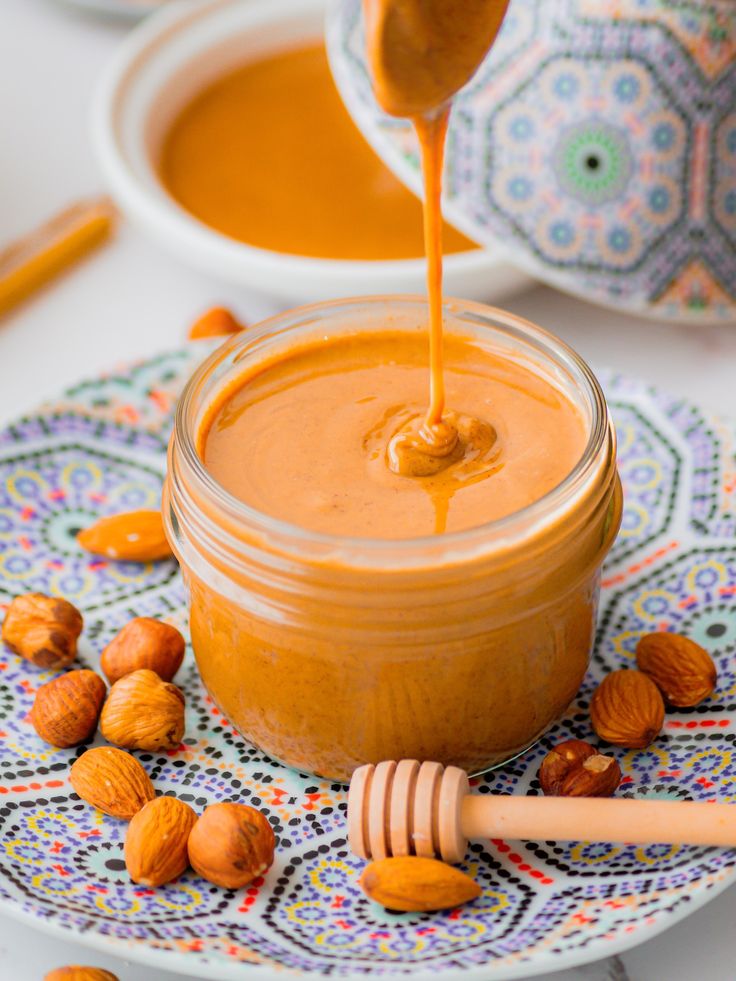
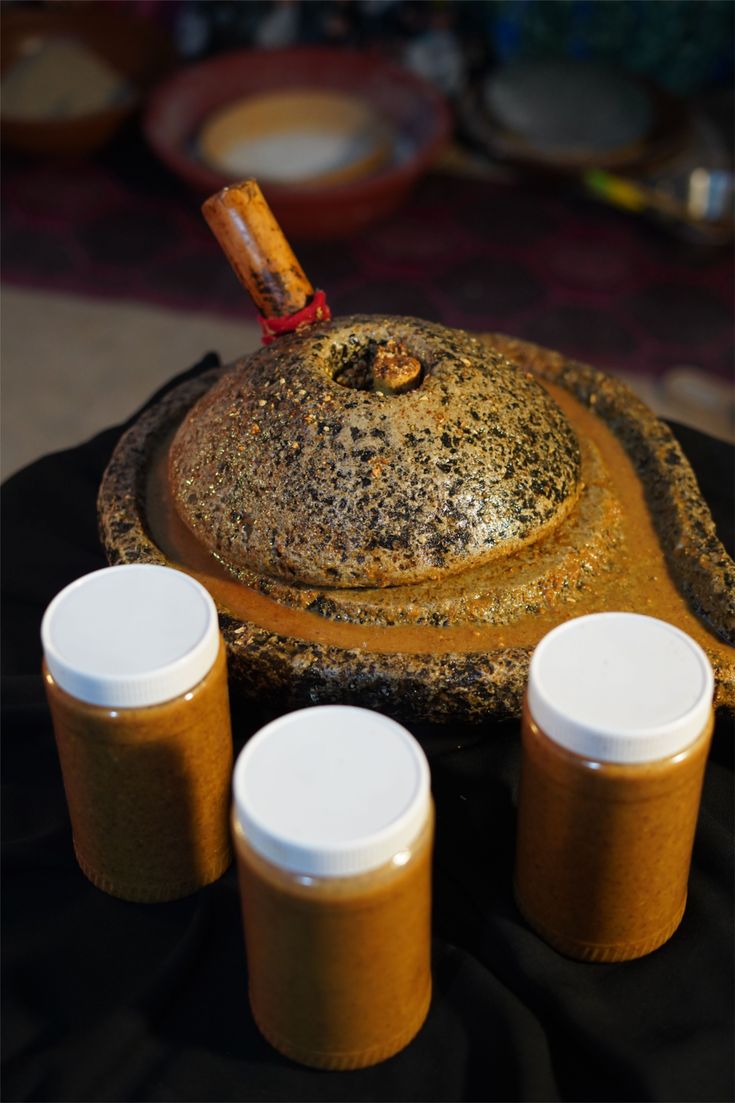
Amlou is one of the purest expressions of Amazigh mountain cuisine.
Prepared traditionally using:
- Argan oil
- Almonds
- Honey
Amlou originated in the Sous region of southern Morocco and remains especially connected to Amazigh communities there.
The mixture is rich, nutritious, and energy-dense — ideal for mountain and rural life.
Families often eat amlou with fresh bread during breakfast or special gatherings.
Beyond flavor, amlou reflects the Amazigh relationship with local ecology. Argan trees, which grow almost exclusively in southwestern Morocco, have supported local communities for centuries.
The production of argan oil itself remains closely connected to women’s cooperative traditions in many Amazigh villages.
Food and the Amazigh Agricultural Calendar
Traditional Amazigh food culture follows seasonal rhythms very closely.
Mountain communities historically depended on agricultural cycles that shaped both diet and ritual life.
Different foods appeared during:
- Harvest periods
- Winter storage months
- Spring celebrations
- Religious festivals
- Migration seasons
Seasonality remains one of the defining characteristics of Amazigh cuisine.
Fresh herbs, olives, figs, almonds, dates, and vegetables are often consumed according to local harvest timing rather than industrial food supply chains.
This seasonal relationship created a cuisine strongly tied to place and landscape.
In many Amazigh villages today, meals still reflect what nearby fields, mountains, and orchards naturally provide.
Yennayer: The Amazigh New Year Feast
Yennayer, the Amazigh New Year, remains one of the most important cultural celebrations across North Africa.
The festival marks the agricultural calendar and symbolizes fertility, abundance, and gratitude for the earth’s harvest.
Special foods prepared during Yennayer often include:
- Barley dishes
- Couscous
- Dried legumes
- Seasonal greens
- Seeds
- Dried meats
One traditional dish associated with Yennayer is Ourkimen, prepared using harvested grains and preserved ingredients connected to agricultural abundance.
Meals during Yennayer are highly symbolic.
Families gather collectively, children receive blessings, and food becomes a way of celebrating continuity between generations.
In many Amazigh households, Yennayer remains emotionally important because it preserves pre-modern cultural memory tied directly to land and farming life.

Women as Guardians of Amazigh Culinary Heritage
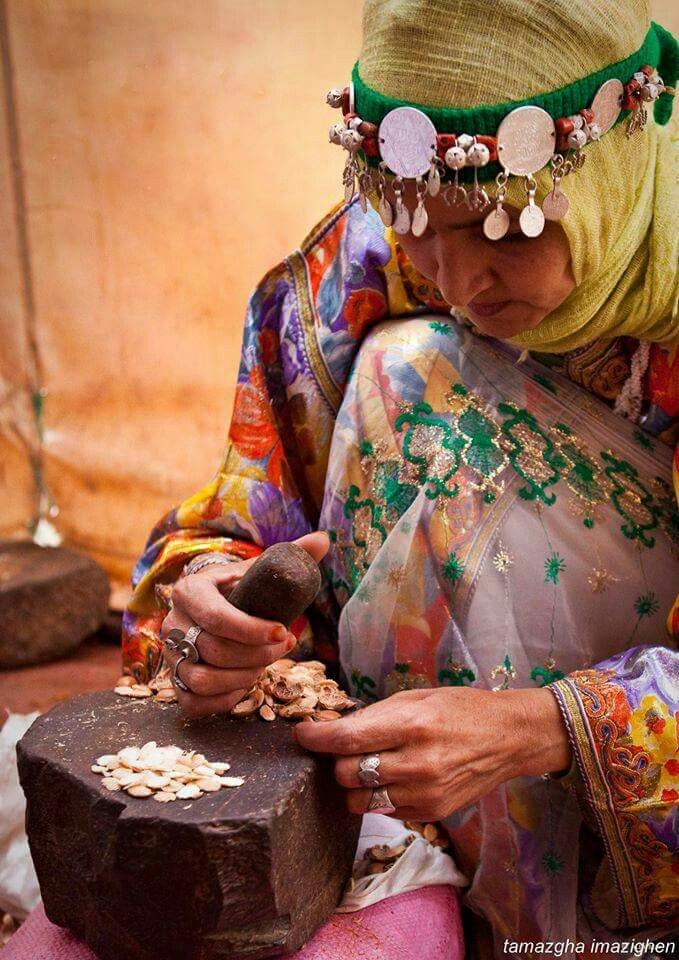
Women have historically played the central role in preserving Amazigh food traditions.
Recipes, bread-making techniques, spice knowledge, preservation methods, and ceremonial cooking practices were largely transmitted through female family networks.
This transmission occurred through practice rather than written instruction.
Young girls learned by observing mothers and grandmothers preparing meals during ordinary days and important ceremonies alike.
In many rural areas today, older Amazigh women still hold extraordinary culinary knowledge connected to:
- Fermentation
- Herbal medicine
- Bread baking
- Grain preparation
- Olive preservation
- Seasonal cooking
Without these women, much of Morocco’s culinary heritage would likely have disappeared long ago.
The Role of Food During Weddings and Celebrations
Amazigh weddings are famous not only for music and clothing, but also for elaborate food rituals.
Meals prepared during weddings symbolize:
- Fertility
- Prosperity
- Family union
- Collective blessing
Large communal dishes encourage shared participation and hospitality.
Traditional wedding menus often include:
- Couscous
- Mechoui (slow-roasted lamb)
- Sweet-and-savory tagines
- Almond pastries
- Honey-based desserts
- Mint tea
Food during weddings also reinforces social status and generosity.
Historically, feeding guests abundantly demonstrated family honor and village solidarity.
Even today, Moroccan celebrations remain inseparable from collective eating.
Amazigh Food and the Desert Trade Routes
The Sahara deeply influenced Amazigh cuisine.
For centuries, caravan trade routes connected Morocco to sub-Saharan Africa through networks controlled by Amazigh and Tuareg communities.
Travel across the desert required foods that could survive extreme conditions.
This led to culinary traditions based on:
- Dried meat
- Dates
- Preserved butter
- Grain storage
- Portable breads
- Herbal teas
Many southern Moroccan dishes still reflect this desert heritage today.
Oasis cuisine especially combines practicality with intense flavor using preserved ingredients and slow-cooking methods.
Modern Morocco and the Amazigh Culinary Revival
Today, many younger Moroccans are rediscovering Amazigh culinary traditions as part of a broader cultural revival.
Traditional ingredients once associated mainly with rural life are now celebrated in restaurants, culinary festivals, and artisanal food markets.
Travelers visiting Morocco increasingly seek authentic experiences connected to:
- Village cooking
- Family meals
- Bread baking
- Tea ceremonies
- Organic agriculture
- Mountain cuisine
This renewed interest has helped preserve traditional knowledge that modernization once threatened to erase.
At the same time, Amazigh food culture continues evolving naturally rather than remaining frozen in the past.
Modern chefs reinterpret traditional dishes while maintaining connections to Amazigh culinary roots.
Where Travelers Can Experience Authentic Amazigh Food
For visitors exploring Morocco, some of the richest culinary experiences happen outside major tourist centers.
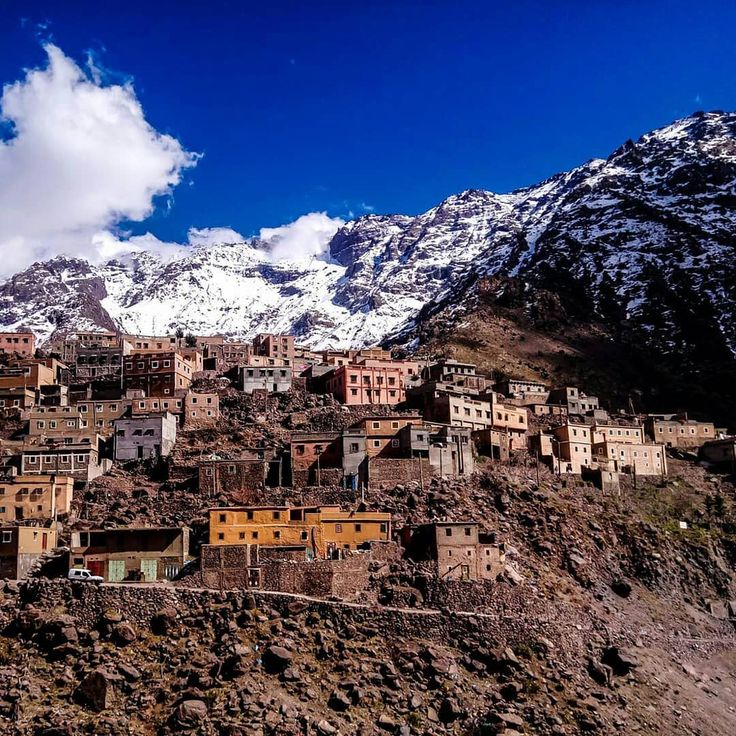
The High Atlas Mountains
Mountain villages near Imlil and the Atlas region offer traditional Amazigh meals prepared with local ingredients and ancient cooking methods.
The Sous Valley
This region is famous for argan oil, amlou, rustic bread traditions, and agricultural cuisine rooted in Amazigh culture.
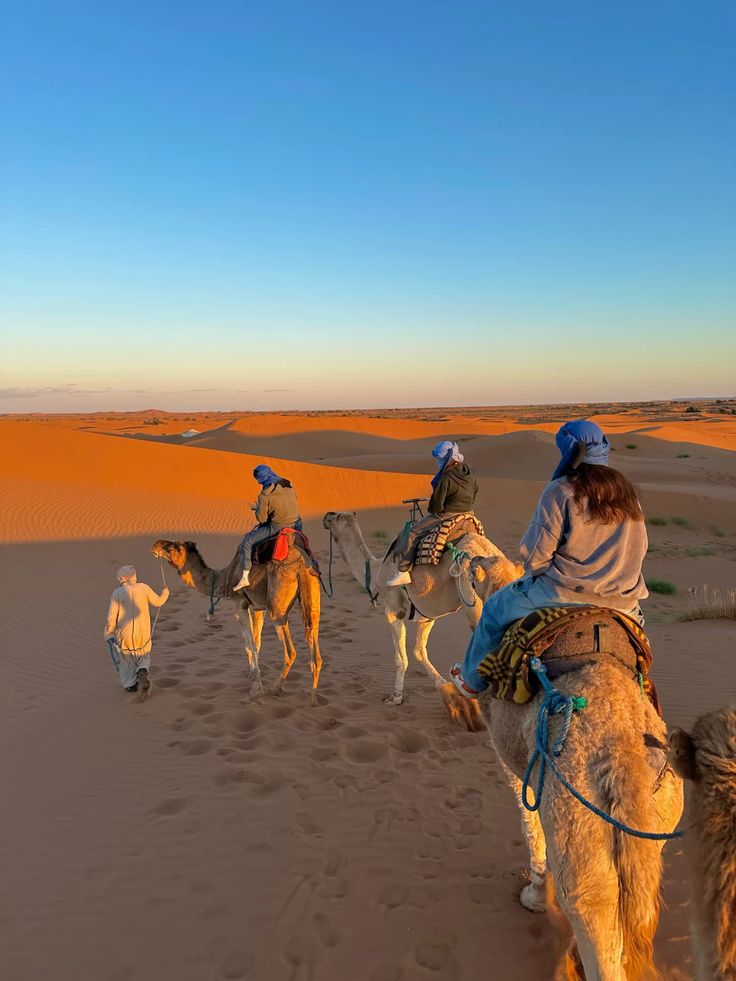
The Sahara Desert
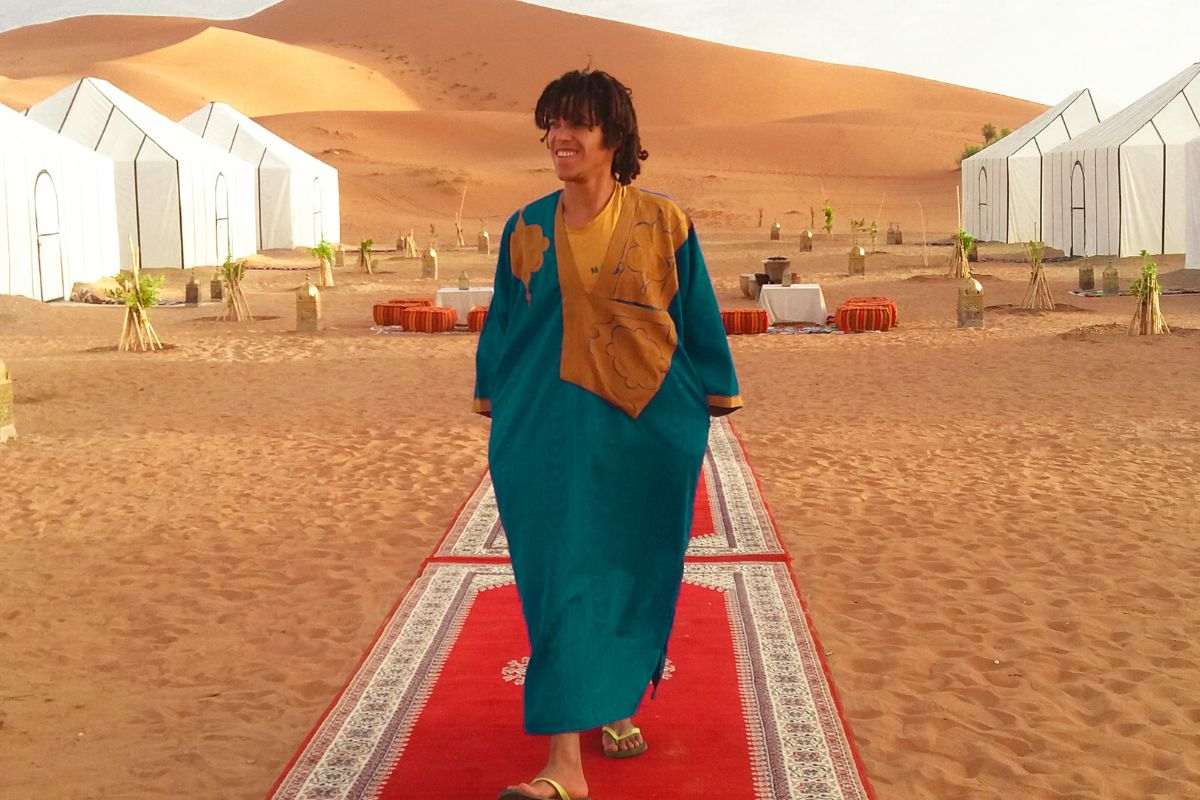
Desert camps and oasis towns often preserve older Amazigh and Tuareg culinary traditions connected to caravan history.
Rural Villages Near Marrakech
Many travelers visiting Marrakech discover authentic Amazigh food culture through day trips into nearby mountain communities.
These experiences often reveal a slower and more meaningful side of Moroccan cuisine than urban restaurants alone can provide.
Why Amazigh Food Culture Matters Today
Amazigh cuisine is more than a collection of recipes.
It is a living archive of North African history.
Every loaf of bread, bowl of couscous, and glass of mint tea carries traces of migration, survival, spirituality, agriculture, family memory, and environmental adaptation.
In a rapidly modernizing world, Amazigh food traditions remind people of something increasingly rare: the connection between food, land, and human community.
These traditions continue to survive because they are not preserved only in museums or history books. They remain part of everyday life across Morocco.
Visitors who understand this deeper cultural dimension experience Morocco differently.
Food stops being just a tourist attraction and becomes a doorway into the historical soul of the country.
To understand Moroccan cuisine fully, one must understand Amazigh food culture.
The Amazigh shaped many of Morocco’s most iconic culinary traditions long before the modern nation existed. From couscous and tagine to bread rituals and mint tea ceremonies, their influence remains everywhere across Moroccan daily life.
But Amazigh cuisine is not important only because it is ancient.
It matters because it preserves values that still resonate today:
- Hospitality
- Community
- Patience
- Respect for nature
- Collective memory
- Simplicity
- Human connection
For travelers exploring Morocco, discovering Amazigh food culture offers something far deeper than tasting traditional dishes.
It offers a way of understanding the people, landscapes, and stories that shaped North Africa across centuries.
Photo Gallerie