Where the Mountains Speak: Amazigh Myths, Spirits, and Oral Traditions in the High Atlas of Morocco

Phone
+212 660 44 471

Contactyourtourguide@gmail.com

Office
1111 rue El,Rue koufa Essaouira 44000

Hours
Monday-Sunday:
24/7
In the High Atlas Mountains of Morocco, stories travel differently.
They do not live primarily in books, museums, or official archives. Instead, they survive in spoken memory — carried by elders beside winter fires, whispered in mountain villages after sunset, and repeated across generations through songs, proverbs, poetry, and oral legends.
For centuries, Amazigh communities of the High Atlas preserved their understanding of the world through storytelling. Mountains, rivers, caves, storms, forests, and isolated valleys became part of a living spiritual geography filled with symbols, spirits, ancestral memory, and invisible forces. Long before modern roads connected remote villages, oral tradition functioned as history, education, religion, entertainment, and collective identity all at once.
Today, travelers exploring the High Atlas often focus on landscapes alone: snow-covered peaks, terraced valleys, kasbahs, and traditional villages. Yet behind these dramatic landscapes exists another Atlas Mountains — one built from myth, sacred memory, and oral imagination.
To understand Amazigh culture deeply, one must understand the stories.
These myths are not merely “folklore” in the simplistic sense. They are cultural systems shaped by geography, survival, spirituality, and centuries of mountain life. They explain how communities understood nature, morality, fear, fertility, drought, isolation, and the unseen world around them.
This article explores the oral traditions, spirits, sacred landscapes, and mythological imagination of Amazigh communities in the High Atlas Mountains of Morocco — one of North Africa’s richest surviving worlds of oral culture.
Exploring Amazigh Oral Traditions, Spirits, and Ancient Legends in the High Atlas of Morocco
Why Oral Tradition Matters in Amazigh Culture
For much of Amazigh history, knowledge was transmitted orally rather than through writing.
This was not because Amazigh societies lacked sophistication. Oral tradition simply evolved as the most practical and powerful way to preserve culture across mountainous and semi-nomadic communities.
Stories served many functions at once:
- Preserving historical memory
- Teaching moral values
- Explaining natural disasters
- Protecting social customs
- Transmitting spiritual beliefs
- Educating children
- Strengthening tribal identity
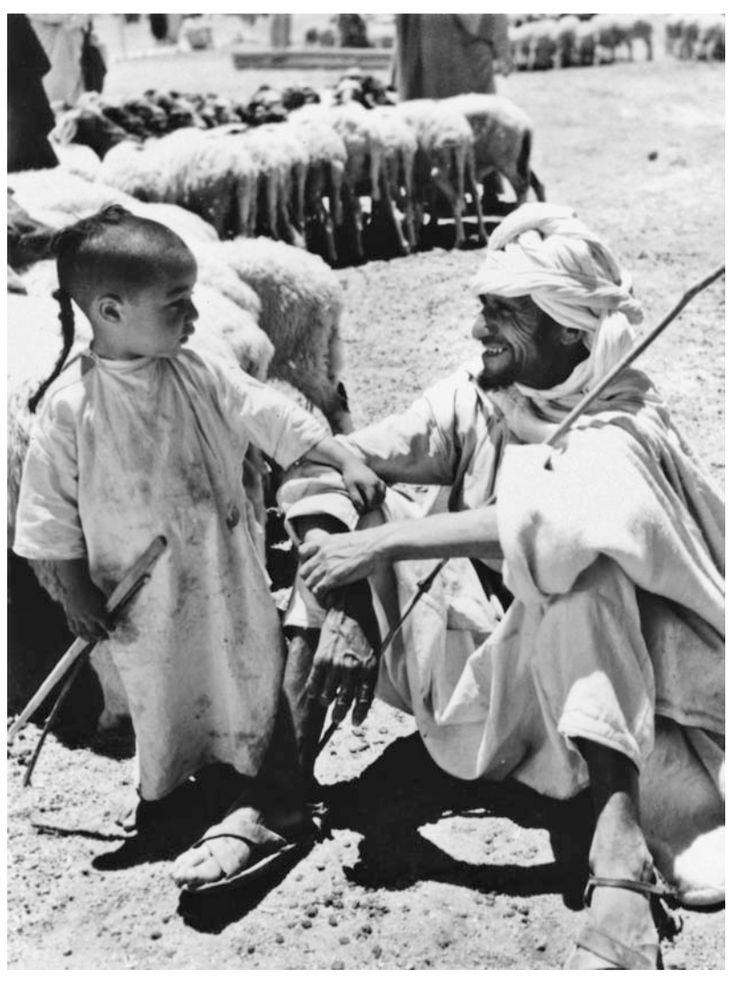
In isolated mountain villages, storytelling became one of the central institutions of community life.
During long winters in the High Atlas, families gathered indoors while elders narrated legends involving spirits, heroes, sacred mountains, magical creatures, ancestral migrations, and invisible beings. These stories were repeated so often that they became part of collective memory itself.
Unlike written history, oral tradition remains flexible. Each storyteller adds emotion, interpretation, and local detail.
That living quality is precisely what allowed Amazigh myths to survive for centuries.
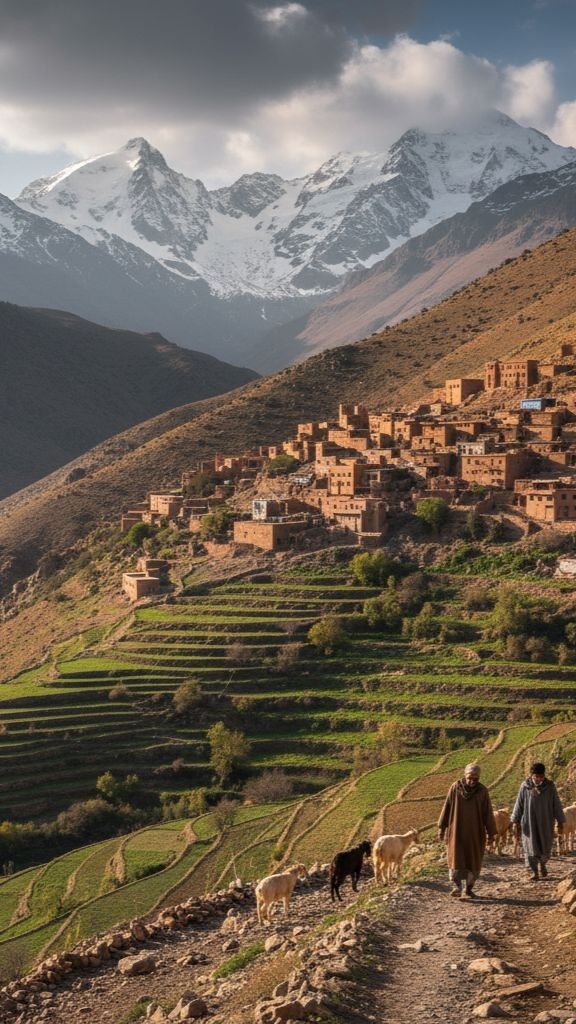
The High Atlas Mountains as a Sacred Landscape
To Amazigh communities, the mountains were never just physical terrain.
The High Atlas functioned as a sacred environment filled with presence, mystery, danger, and spiritual power. Peaks, rivers, caves, forests, and springs were often believed to contain invisible forces or supernatural beings.
This spiritual relationship developed naturally from mountain life itself.
The mountains provided:
- Water
- Protection
- Isolation
- Food
- Shelter
- Seasonal rhythms
But they also brought:
- Harsh winters
- Landslides
- Floods
- Drought
- Avalanches
- Dangerous journeys
Because survival depended so heavily on nature, the environment became deeply mythologized.
Many Amazigh oral traditions describe mountains almost as living entities — capable of protecting, punishing, hiding, or testing human beings.
Even today, some remote communities maintain strong symbolic relationships with specific natural places believed to hold spiritual significance.
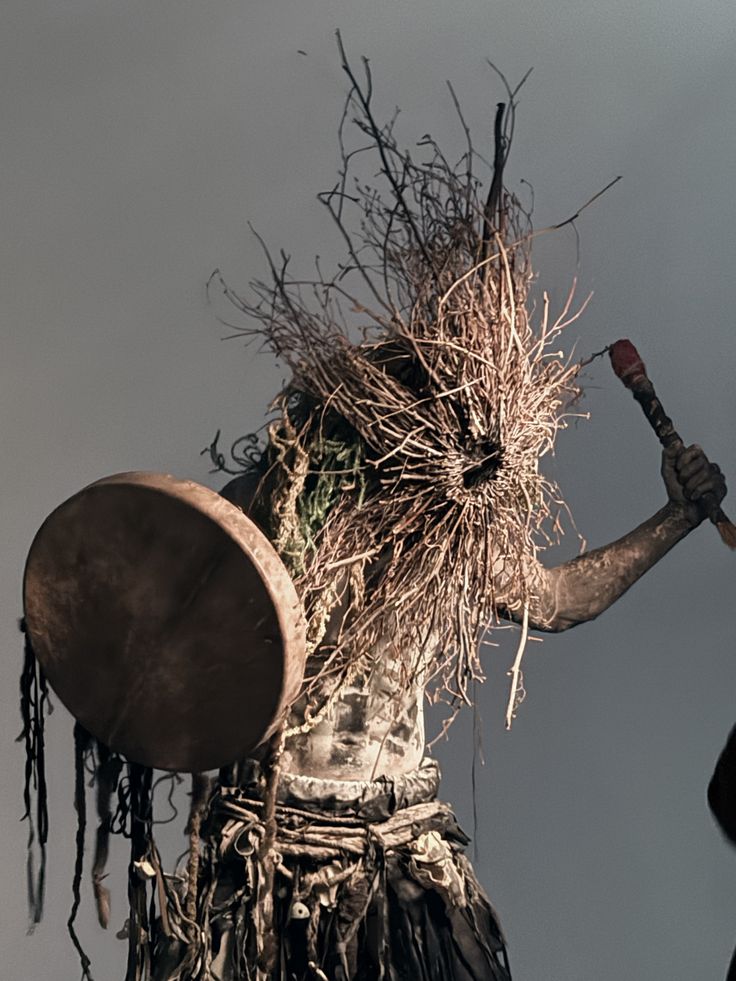
Spirits, Jnun, and the Invisible World
Among the most important elements of Amazigh folklore is belief in invisible beings commonly known as jnun (singular: jinn).
In Amazigh oral tradition, these beings are neither completely evil nor entirely benevolent. They exist parallel to humans and inhabit specific natural spaces.
Common places associated with spirits include:
- Springs
- Wells
- Caves
- Forests
- Abandoned houses
- Ancient ruins
- Crossroads
- Remote mountain paths
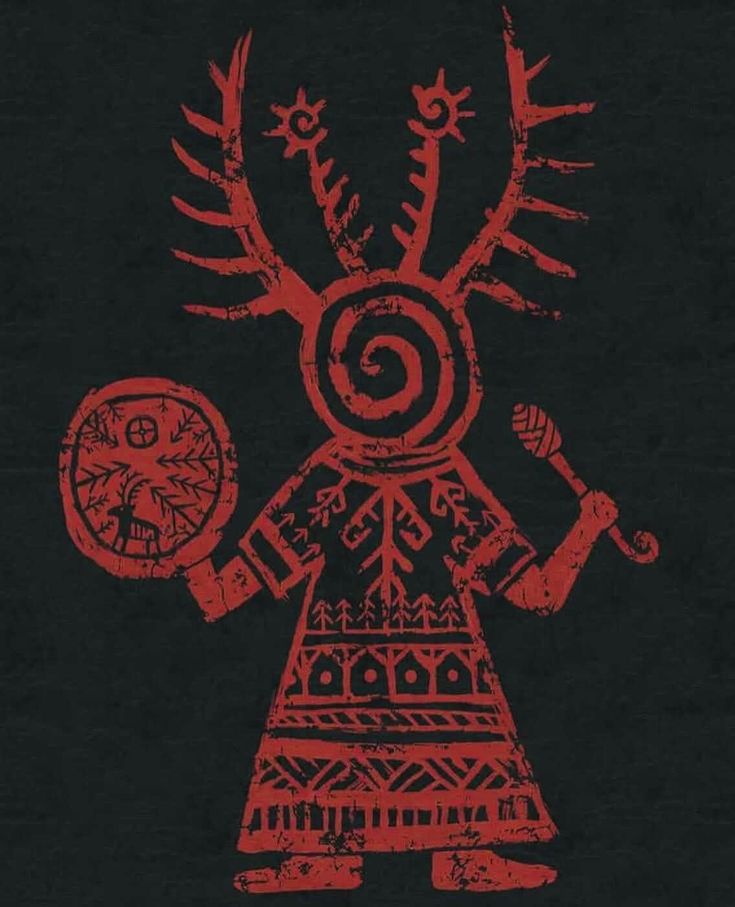
Children in many villages historically grew up hearing warnings about disturbing these places after dark.
Stories involving jnun often carried practical social purposes. They discouraged dangerous nighttime wandering, protected sacred water sources, or reinforced respect for nature.
Unlike modern horror stories, Amazigh spirit narratives were usually woven naturally into everyday life.
People did not necessarily separate the supernatural from reality as rigidly as modern urban culture tends to do today.
Water Spirits and Sacred Springs
Water occupies a particularly important place in Amazigh mythology.
In the High Atlas, springs and rivers represented life itself. Entire villages depended on mountain water systems for survival. Unsurprisingly, many oral traditions connected water with sacred feminine forces and protective spirits.
Some legends describe mysterious female figures guarding springs or appearing near rivers during twilight hours.
These stories often symbolized:
- Fertility
- Renewal
- Danger
- Seduction
- Protection
- Ecological balance
Water spirits also reflected the fragile relationship between humans and the environment.
In regions where drought could destroy entire harvests, water naturally became surrounded by reverence and mythological significance.
Even today, some springs in rural Morocco remain associated with blessings, healing rituals, or local legends passed through generations.
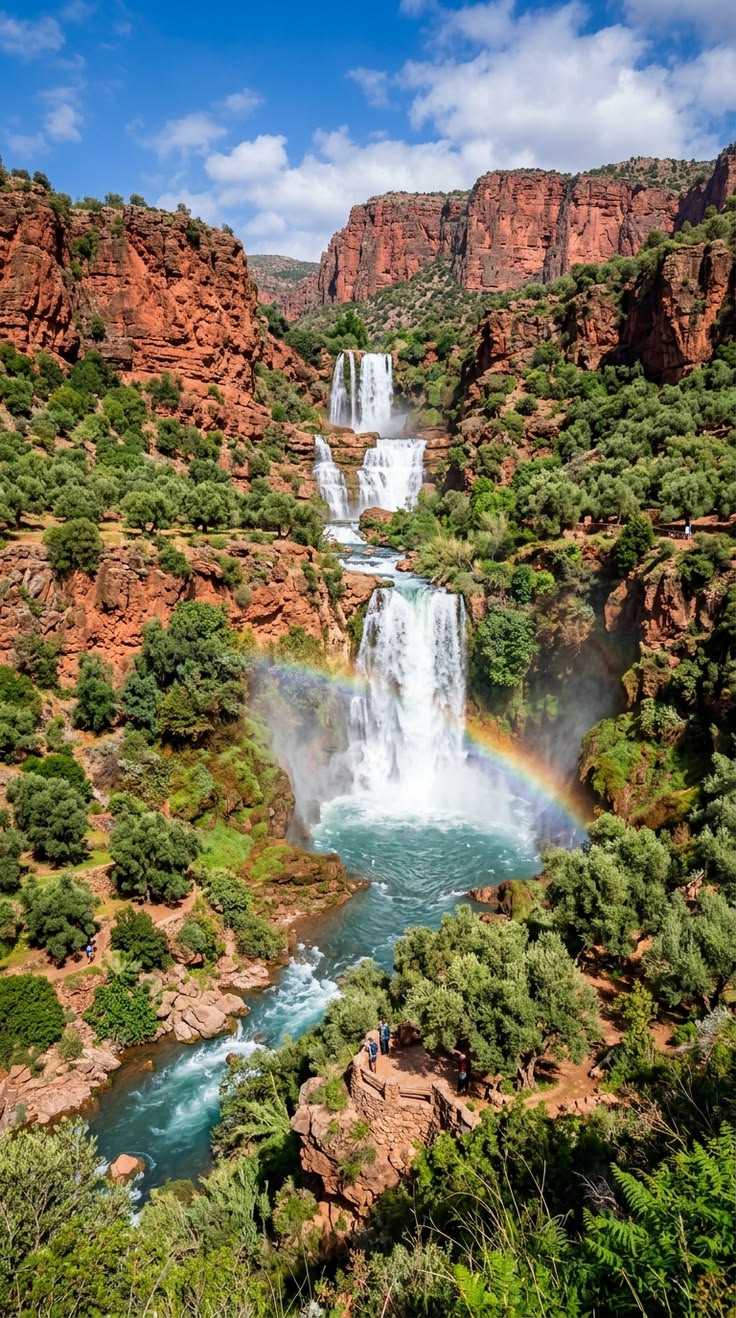
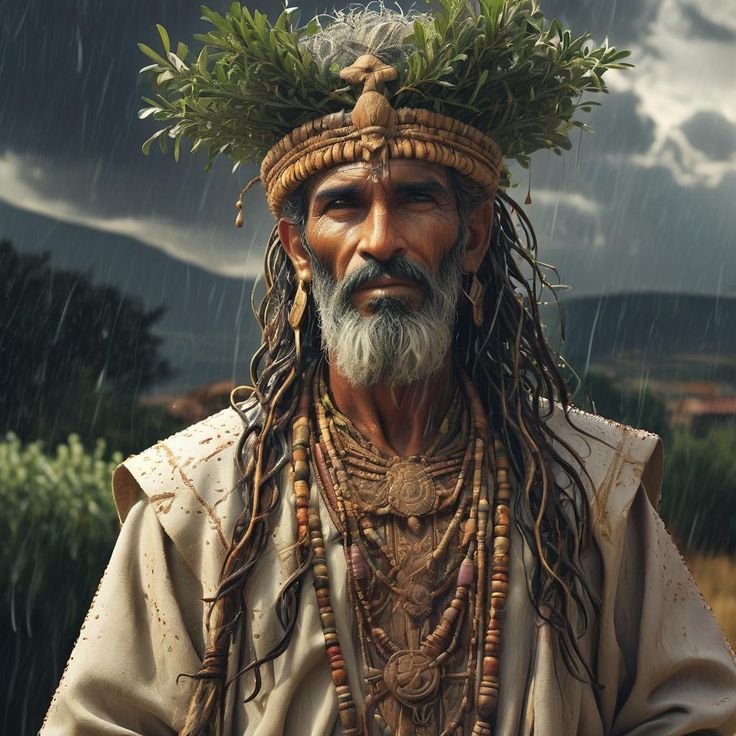

The Myth of Anzar: The Amazigh Spirit of Rain
One of the most famous figures in Amazigh mythology is Anzar, often described historically as a rain spirit or rain deity connected to fertility and agricultural abundance.
According to traditional legends, Anzar fell in love with a mortal woman. Different versions of the story exist across regions, but the myth generally symbolizes the intimate relationship between rain, fertility, and human survival.
For ancient agricultural communities, rain was not merely weather.
It meant:
- Harvests
- Animal survival
- Food security
- Collective stability
Because drought represented existential danger, rain became deeply spiritualized within Amazigh cosmology.
Some historical accounts suggest that rituals connected to rain invocation survived in rural areas long after the spread of Islam across North Africa.
Today, Anzar remains one of the best-known symbolic figures within Amazigh mythology.
Caves, Silence, and Mountain Fear
Caves hold a powerful place in High Atlas folklore.
Many Amazigh oral traditions describe caves as thresholds between worlds — spaces connected to spirits, hidden knowledge, or supernatural encounters.
This symbolism likely emerged from both practical and psychological realities.
Mountain caves offered shelter during storms and conflict, but they also represented darkness, uncertainty, and isolation.
Certain caves became associated with:
- Lost travelers
- Hidden treasures
- Spirits
- Saints
- Ancient tribes
- Mysterious disappearances
Silence itself plays an important role in many Atlas myths.
Remote mountain landscapes naturally create intense silence at night, interrupted only by wind, animals, or distant water. This atmosphere contributed heavily to the mystical imagination of Amazigh oral culture.
Storytelling as a Form of Education
In traditional Amazigh society, myths were not told simply for entertainment.
They functioned as educational systems.
Children learned values through symbolic narratives rather than formal lectures. Stories taught:
- Respect for elders
- Courage
- Humility
- Hospitality
- Environmental awareness
- Community responsibility
Fear also played a role.
Legends involving dangerous spirits or supernatural punishment often reinforced social rules and safety practices.
For example:
- Dangerous rivers became associated with spirits
- Forbidden areas acquired supernatural warnings
- Greed or arrogance led to symbolic punishment in stories
In this way, oral tradition helped maintain social order within isolated mountain communities.
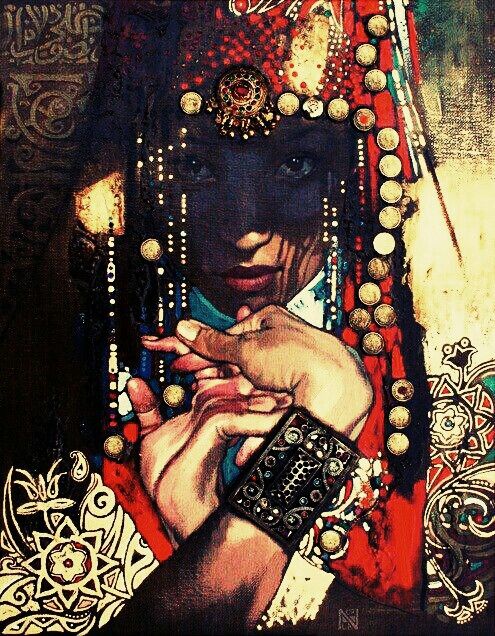
The Role of Women in Amazigh Oral Tradition
Women played a central role in preserving oral culture across the High Atlas.
Mothers and grandmothers often served as the primary transmitters of stories, lullabies, songs, ritual knowledge, and folktales within Amazigh households.
This cultural role was especially important because oral knowledge depended entirely on memory and repetition.
Many stories also feature powerful female figures:
- Wise elders
- Spirit guardians
- Healers
- Protective mothers
- Mysterious mountain women
Some myths portray women as intermediaries between visible and invisible worlds.
These narratives reflect the deep symbolic importance of femininity, fertility, and protection within Amazigh cultural imagination.
Sacred Trees, Stones, and Nature Worship
Before Islam became dominant in North Africa, ancient Amazigh spirituality included forms of animism and nature reverence. Elements of these older beliefs survived symbolically inside later folklore and local customs. (Amazigh Wiki)
Certain natural places became associated with blessing or spiritual danger, including:
- Ancient trees
- Large stones
- Mountain passes
- Springs
- Forest clearings
Some villagers historically tied cloth to sacred trees or visited remote sites believed to contain spiritual power.
These traditions often blended gradually with Islamic practices, producing a layered spiritual culture unique to rural Morocco.
The result was not a complete replacement of older beliefs, but a cultural fusion shaped over centuries.
Amazigh Oral Poetry and Musical Storytelling
Storytelling in the High Atlas was not limited to spoken tales alone.
Poetry and music formed essential parts of Amazigh oral culture.
Traditional Amazigh poetry often explored:
- Love
- Exile
- Mountain hardship
- Tribal honor
- Nature
- Spiritual longing
- Historical memory
Poetic forms were frequently performed collectively during:
- Weddings
- Harvest festivals
- Community gatherings
- Seasonal celebrations
Music allowed stories to survive emotionally as well as intellectually.
In many villages, oral poetry preserved historical memory more effectively than written documents ever could.
This remains one of the most remarkable aspects of Amazigh culture: history living through voice rather than text.
Myth and Survival in Mountain Life
The harsh realities of mountain survival shaped High Atlas mythology deeply.
Unlike urban folklore, Atlas myths emerged from environments where:
- Winters isolated villages
- Food shortages were real
- Travel could be dangerous
- Nature determined survival
Because of this, many stories emphasize endurance, humility, and collective responsibility.
Heroes in Amazigh mountain legends are often shepherds, travelers, mothers, or ordinary villagers rather than kings or warriors.
This grounded quality makes Atlas folklore feel intensely human.
The myths reflect practical fears and emotional realities tied directly to mountain existence.
Islam and Amazigh Mythology
The arrival of Islam transformed Amazigh spiritual life profoundly, but older oral traditions did not disappear completely.
Instead, many pre-Islamic beliefs blended gradually with Islamic cosmology and local saint traditions. (ⵉⵡⵣⵉⵡⵏ Iwziwn إوزيون)
This cultural blending created a unique spiritual landscape where:
- Islamic saints became linked to sacred mountains
- Older spirit beliefs survived symbolically
- Oral myths adapted to new religious frameworks
In rural Morocco today, elements of folklore, spirituality, and Islamic practice still coexist naturally in ways outsiders may find difficult to categorize.
This layered identity is part of what makes High Atlas culture so historically rich.
The Decline of Oral Tradition in Modern Morocco
Like many Indigenous oral cultures around the world, Amazigh storytelling traditions face serious challenges today.
Urbanization, migration, television, smartphones, and globalization have transformed daily life across Morocco. Younger generations increasingly consume global media rather than local oral narratives.
As older storytellers pass away, many stories risk disappearing entirely.
This cultural shift affects more than folklore alone.
It threatens:
- Linguistic diversity
- Collective memory
- Traditional ecological knowledge
- Regional identity
- Intergenerational connection
Some researchers and cultural organizations now work actively to document Amazigh oral traditions through books, recordings, archives, and academic studies. (ircam.ma)
These efforts are increasingly important.
Why Travelers Should Care About Amazigh Oral Culture
For travelers visiting Morocco, learning about Amazigh myths and oral traditions changes the entire experience of the High Atlas.
The mountains stop being only scenic landscapes.
They become places layered with memory, symbolism, and ancestral imagination.
A remote spring becomes more than water.
A cave becomes more than geology.
A village gathering becomes more than tourism.
Understanding oral tradition helps visitors appreciate Morocco beyond surface-level imagery and stereotypes.
It reveals the emotional and historical depth behind Amazigh culture — one of North Africa’s oldest surviving cultural foundations.
Experiencing Amazigh Culture in the High Atlas
Travelers interested in authentic cultural experiences often discover that the most meaningful moments happen in small mountain communities rather than major cities.
In the High Atlas, visitors can still encounter elements of living Amazigh oral culture through:
- Village hospitality
- Traditional music
- Oral storytelling
- Local guides
- Seasonal festivals
- Communal meals
- Rural ceremonies
Listening respectfully to local narratives offers a deeper understanding of how mountain communities perceive landscape, history, and identity.
These encounters are often far more memorable than standard tourist itineraries.
Why These Stories Still Matter Today
Amazigh myths are not simply relics from a forgotten past.
They continue to matter because they preserve alternative ways of understanding the relationship between humans, nature, memory, and community.
In a rapidly modernizing world, oral traditions remind people that culture does not exist only in written institutions.
It also survives through voice, ritual, imagination, and collective memory.
The High Atlas Mountains still carry these echoes.
In many valleys, stories remain alive — not because they were preserved in museums, but because people continued telling them.
That continuity itself is extraordinary.
The High Atlas Mountains are among Morocco’s most breathtaking landscapes, but their deepest beauty may not be visible immediately.
Behind the peaks, valleys, rivers, and villages exists an ancient oral universe shaped by Amazigh memory and imagination.
For centuries, myths, spirits, sacred landscapes, and storytelling traditions helped mountain communities understand survival, morality, nature, and identity. These oral traditions became living archives preserving cultural knowledge across generations.
Today, as globalization transforms traditional life, preserving Amazigh oral culture becomes increasingly important.
Because when stories disappear, entire ways of seeing the world disappear with them.
To listen to the High Atlas carefully is to discover that the mountains are still speaking — through legends, songs, silence, and memory passed from one voice to another across centuries.
Photo Gallerie