Moussems of Morocco: 11 Fascinating Traditions Where Faith, Culture & Community Unite

Phone
+212 660 44 471

Contactyourtourguide@gmail.com

Office
1111 rue El,Rue koufa Essaouira 44000

Hours
Monday-Sunday:
24/7
Morocco is a land of vibrant traditions, ancient customs, and deeply rooted cultural celebrations. While many travelers come for the bustling souks, dramatic desert landscapes, and historic medinas, some of the country’s most authentic experiences take place far from the typical tourist trail. Among these living traditions, the Moussems of Morocco stand out as remarkable gatherings where spirituality, culture, commerce, and community converge.
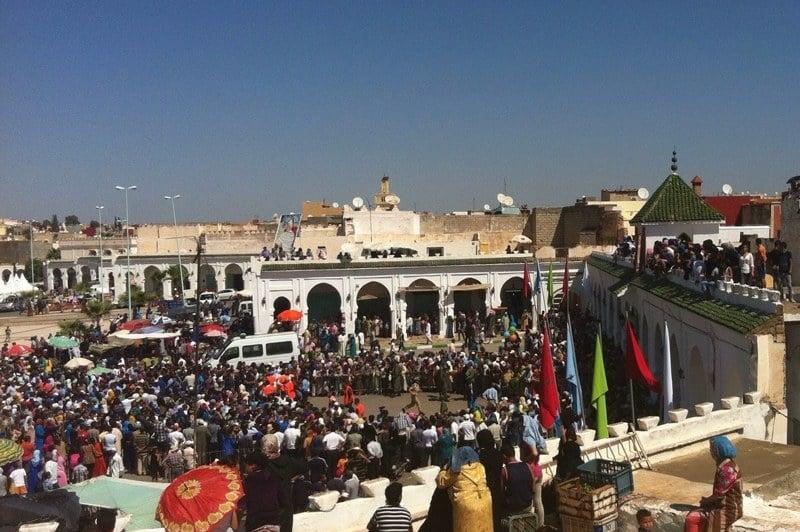
Imagine arriving in a rural Moroccan town transformed by colorful tents, traditional music, horse riders in ceremonial dress, local artisans displaying their crafts, and families gathering from distant regions. The atmosphere is festive, yet deeply meaningful. These are Morocco’s moussems—events that have shaped social and spiritual life for centuries.
For travelers seeking a deeper understanding of Moroccan culture, attending a moussem offers a unique opportunity to witness traditions that continue to unite communities across generations. In this article, we’ll explore the history of Moroccan moussems, their religious significance, cultural importance, famous celebrations, and why they remain essential experiences for visitors interested in authentic cultural tourism.
What Are Moussems?
A moussem is a traditional Moroccan festival, often organized around the commemoration of a respected saint, religious figure, historical event, tribal gathering, or seasonal occasion.
The word “moussem” comes from the Arabic term for “season” or “annual gathering.” Historically, these events served multiple purposes. They were spiritual pilgrimages, social gatherings, commercial markets, and cultural festivals all at once.
Today, moussems continue to play an important role throughout Morocco. They bring together people from cities, villages, mountain communities, and desert regions, creating vibrant celebrations that blend faith and tradition.
Unlike modern festivals designed primarily for entertainment, Moroccan moussems are deeply connected to local identity and collective memory.
The Historical Origins of Moroccan Moussems
Ancient Traditions of Gathering
The roots of Moroccan moussems extend back centuries.
Long before modern transportation and communication networks existed, communities relied on annual gatherings to maintain social connections, exchange goods, and strengthen cultural ties.
These seasonal events became important occasions where tribes met, merchants traded, families reunited, and religious leaders shared teachings.
Over time, many gatherings became associated with local saints and spiritual figures, adding religious significance to existing community traditions.
The Influence of Sufi Traditions
Many Moroccan moussems developed within the framework of Sufi Islam.
Throughout Morocco’s history, respected saints, known locally as marabouts, played important roles in spiritual and social life. Their teachings often attracted followers from surrounding regions.
After their passing, annual commemorations emerged around their tombs or places associated with their lives.
Consequently, many moussems became important pilgrimage events where participants gathered to honor spiritual legacies while strengthening community bonds.
Why Moussems Matter in Moroccan Society
Preserving Cultural Heritage
One of the most important functions of moussems is cultural preservation.
These festivals provide opportunities to pass traditions from one generation to the next. Songs, dances, crafts, oral histories, and local customs continue to thrive because communities actively celebrate them.
Without such gatherings, many traditions might gradually disappear.
Strengthening Community Bonds
Moroccan moussems are fundamentally social events.
Families travel long distances to attend. Friends reunite after months apart. Entire communities participate in organizing celebrations.
As a result, moussems reinforce relationships and create a strong sense of belonging.
Supporting Local Economies
Historically, moussems also functioned as major commercial gatherings.
Merchants, artisans, farmers, and traders used these events to buy, sell, and exchange goods.
Even today, local markets remain important features of many moussems. Visitors can discover handmade crafts, traditional textiles, jewelry, pottery, spices, and regional products.
The Spiritual Dimension of Moussems
Pilgrimage and Devotion
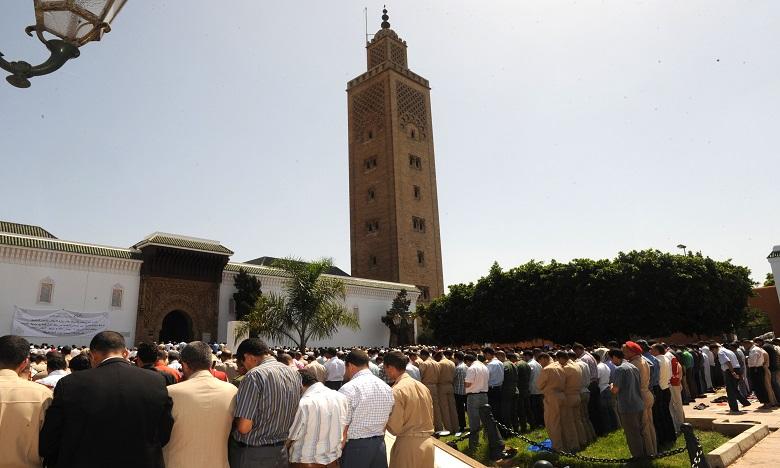
For many participants, attending a moussem is first and foremost a spiritual experience.
Pilgrims visit shrines associated with revered saints to pray, reflect, and seek blessings. These gatherings provide opportunities for communal worship and spiritual renewal.
The atmosphere often combines celebration with reverence.
Visitors may hear prayers, Quranic recitations, and devotional music throughout the festival.
A Living Expression of Faith
Moroccan spirituality often emphasizes community as much as individual devotion.
Moussems reflect this balance beautifully.
Rather than separating religious life from social life, these festivals bring them together. Faith becomes visible through hospitality, generosity, collective celebration, and shared traditions.
This unique blend helps explain why moussems continue to hold such significance today.
Cultural Performances That Bring Moussems to Life
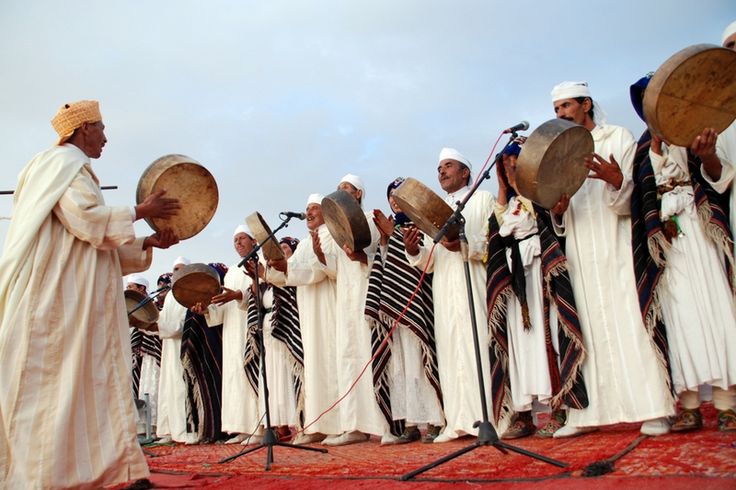
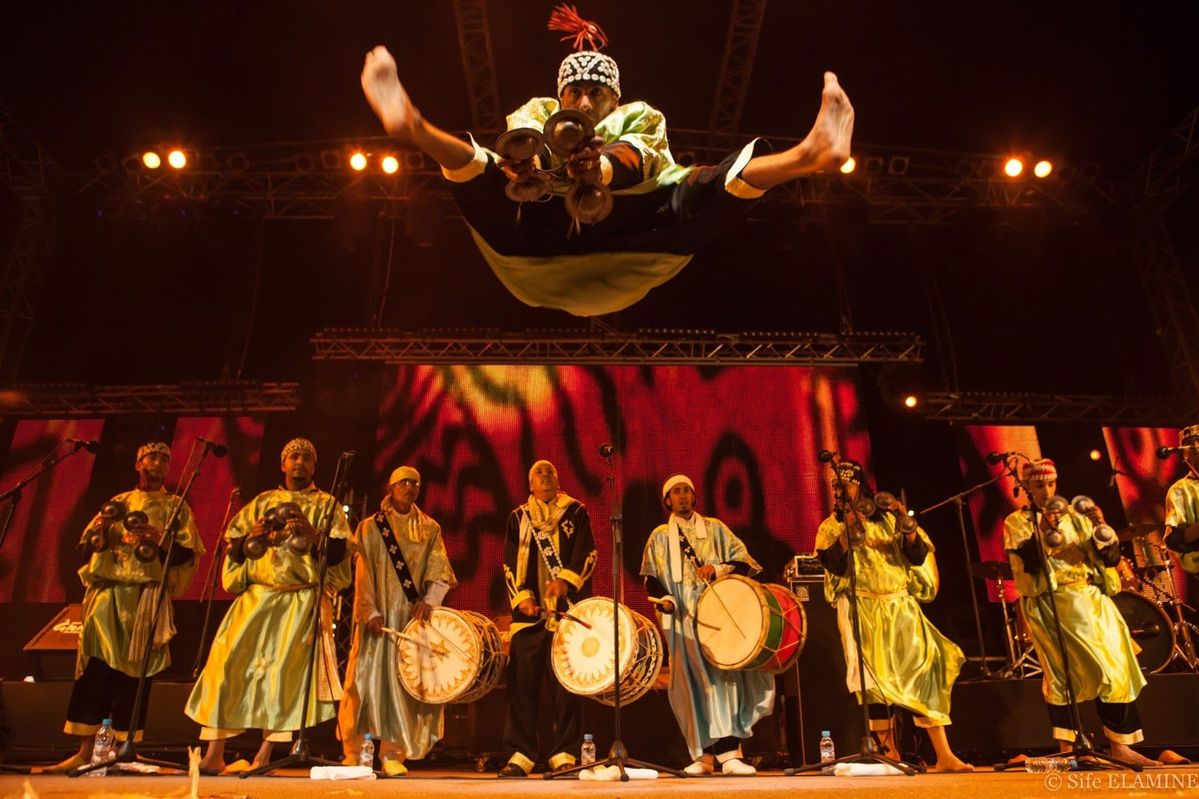
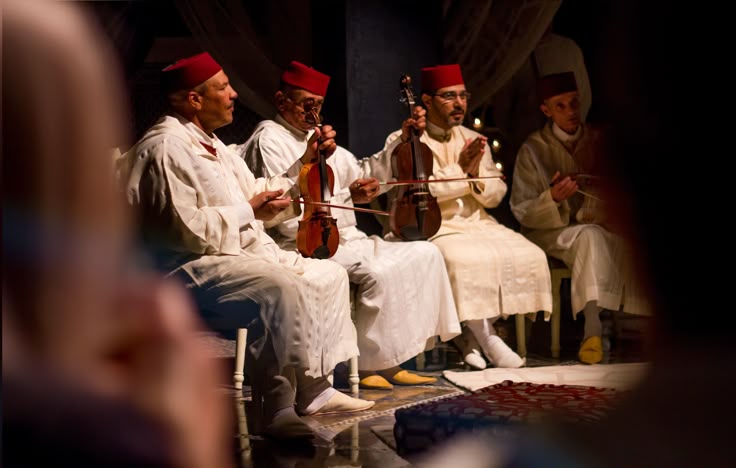
Traditional Music
Music plays a central role in many Moroccan moussems.
Depending on the region, visitors may encounter:
- Ahwach performances
- Ahidous dances
- Gnawa music
- Andalusian orchestras
- Local folk musicians
- Religious chanting
The diversity of performances reflects Morocco’s rich cultural mosaic.
Dance and Collective Celebration
Dance traditions often accompany musical performances.
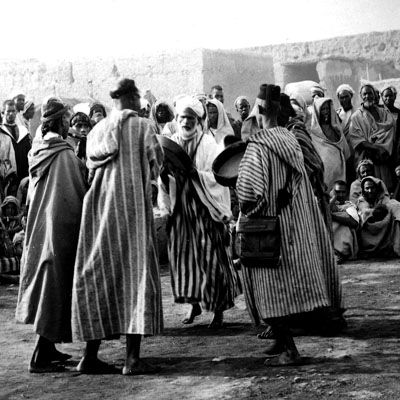
Large groups may gather in village squares to perform synchronized dances that have been passed down through generations.
These performances are more than entertainment. They express identity, history, and community pride.
Storytelling and Oral Traditions
Storytelling remains an important part of Moroccan cultural life.
At some moussems, elders share historical narratives, local legends, and moral lessons that preserve collective memory.
These oral traditions continue to connect communities with their past.
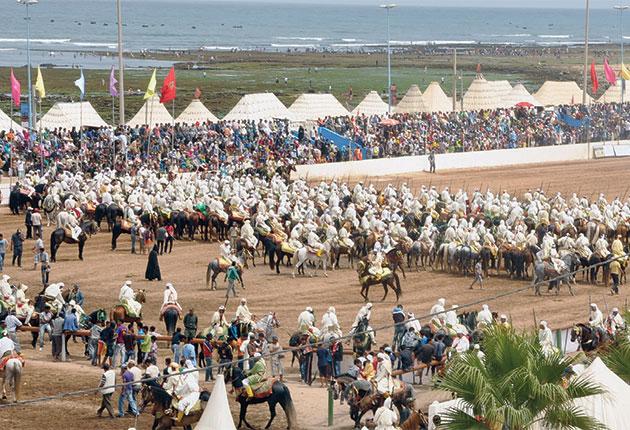
The Spectacular Horse Fantasia
One of Morocco’s Most Iconic Traditions
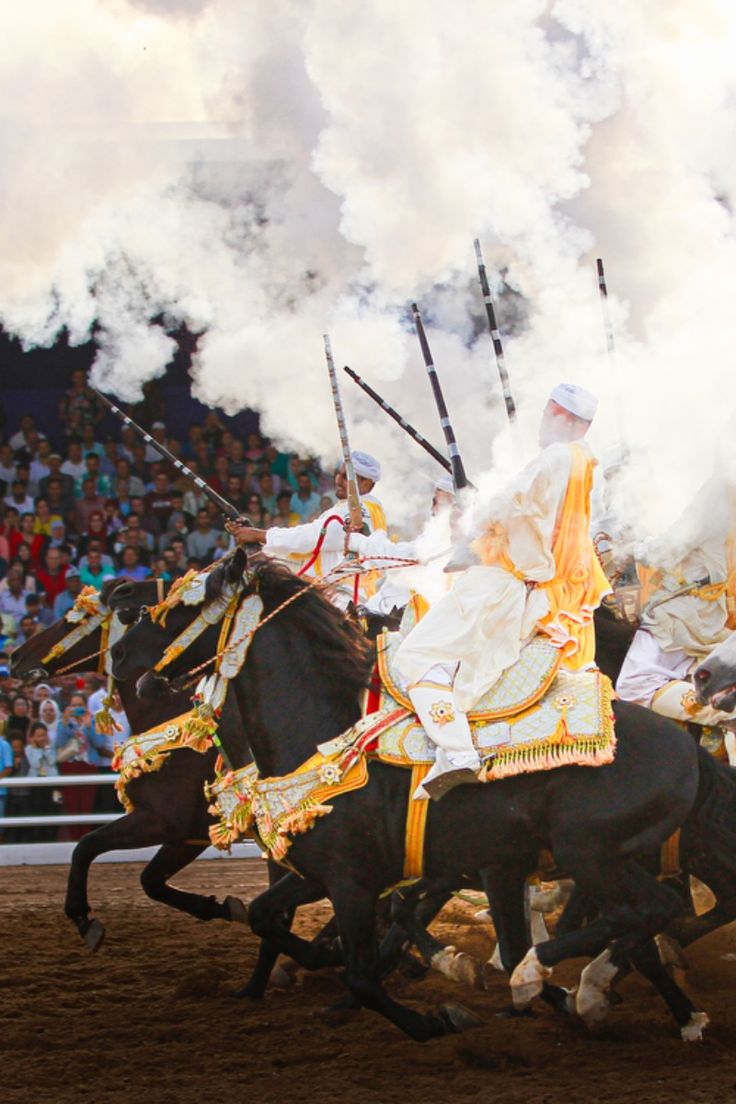
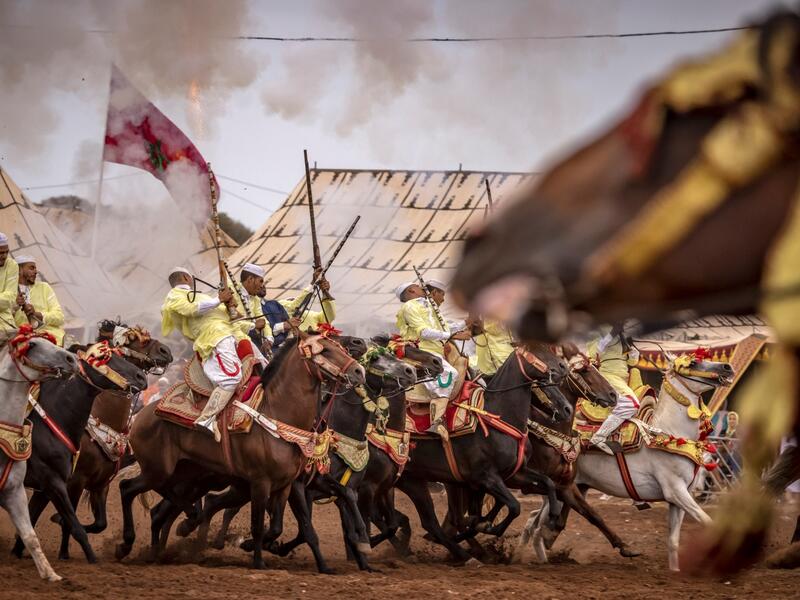
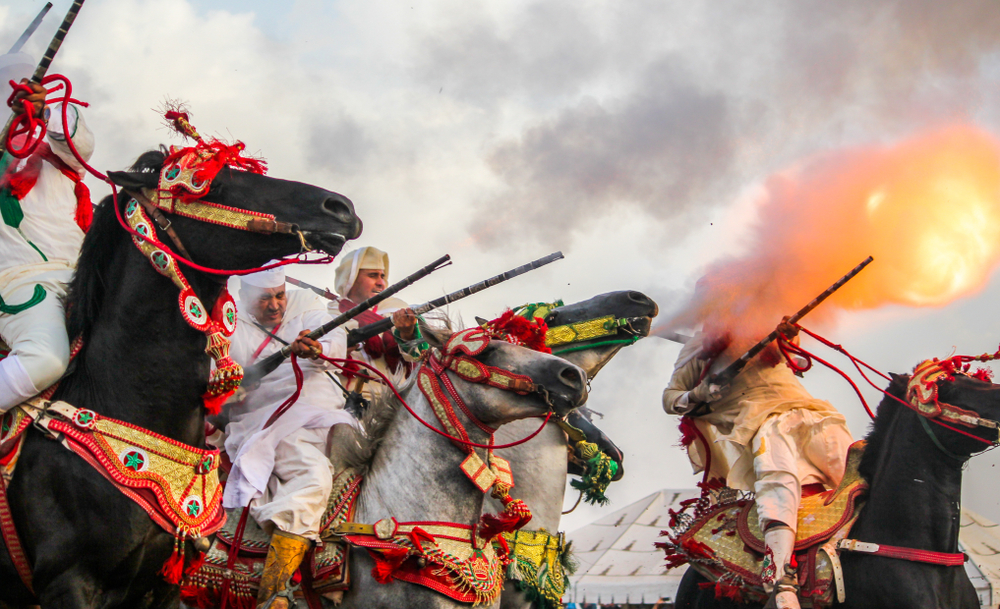
Few sights capture the spirit of a Moroccan moussem like a fantasia performance.
Known locally as “Tbourida,” this traditional equestrian display combines horsemanship, discipline, and ceremonial pageantry.
Groups of riders dressed in traditional clothing charge across open fields before firing rifles simultaneously into the air.
The timing must be perfect.
The thunderous sound of the synchronized gunfire often draws enthusiastic applause from spectators.
A Symbol of Heritage
Fantasia performances celebrate Morocco’s equestrian heritage and warrior traditions.
Many participants spend months preparing their horses and equipment for major events.
For travelers, witnessing a fantasia during a moussem often becomes a highlight of their Moroccan journey.
Famous Moussems of Morocco
Moussem of Moulay Idriss
One of Morocco’s most significant religious gatherings takes place in the town of Moulay Idriss.
The event honors Moulay Idriss I, who played a crucial role in Moroccan history.
Pilgrims travel from across the country to participate in religious ceremonies and community celebrations.
Moussem of Tan-Tan
Among Morocco’s most famous cultural gatherings is the Moussem of Tan-Tan.
Located near the Sahara, this event celebrates the traditions of nomadic communities.
Visitors can experience:
- Camel displays
- Traditional music
- Desert culture
- Handicrafts
- Equestrian events
The festival highlights the cultural richness of Morocco’s Saharan heritage.
Moussem of Imilchil
High in the Atlas Mountains, the Moussem of Imilchil has become one of Morocco’s most internationally recognized cultural festivals.
Often associated with local marriage traditions, the event attracts visitors interested in Amazigh culture and mountain life.
Beyond its romantic reputation, the moussem serves as an important gathering for regional communities.
Regional Saints’ Festivals
Throughout Morocco, hundreds of smaller moussems honor local saints and community figures.
These gatherings may receive little international attention, yet they often provide the most authentic cultural experiences.
For curious travelers, such events offer valuable opportunities to engage with local traditions.
Amazigh Culture and the Moussems of Morocco
Celebrating Indigenous Heritage
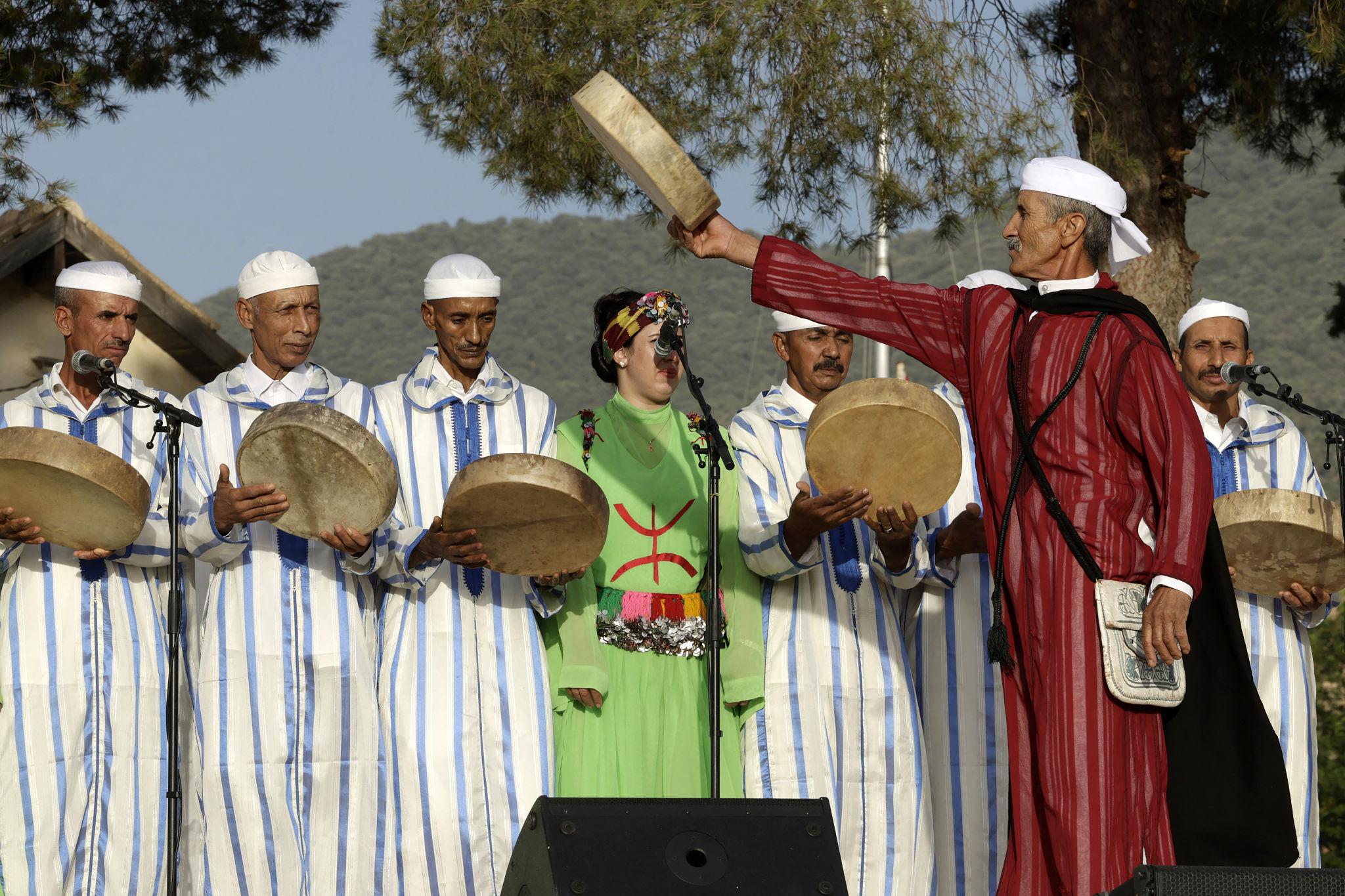
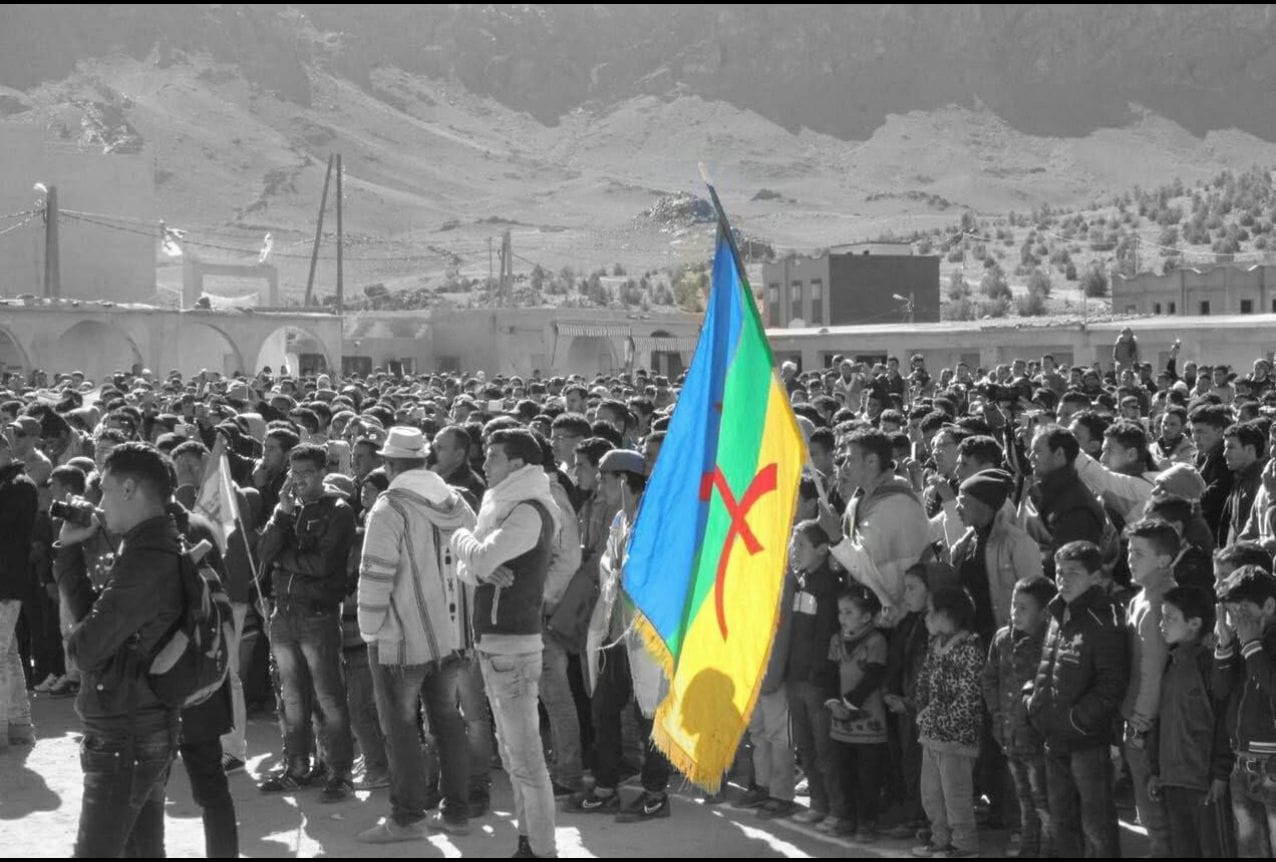
Many moussems play an important role in preserving Amazigh cultural traditions.
In regions such as the High Atlas, Anti-Atlas, and Souss Valley, festivals frequently feature:
- Amazigh music
- Traditional poetry
- Ahwach performances
- Handcrafted jewelry
- Indigenous storytelling
These elements help strengthen cultural continuity while showcasing Morocco’s diversity.
Language and Identity
Moussems also provide spaces where Amazigh languages remain vibrant and visible.
Songs, poems, speeches, and conversations contribute to the preservation of linguistic heritage.
Consequently, these gatherings remain important cultural institutions within Amazigh communities.
The Role of Markets in Moroccan Moussems
More Than Shopping
Markets have always been central to moussem life.
Historically, people traveled great distances to exchange goods, livestock, and agricultural products.
The commercial aspect supported regional economies while fostering social interaction.
Discovering Local Crafts
Modern visitors often enjoy exploring market areas during moussems.
These spaces offer opportunities to discover:
- Handmade carpets
- Leather goods
- Pottery
- Traditional clothing
- Silver jewelry
- Local foods
Purchasing directly from artisans helps support local communities and preserve traditional craftsmanship.
Why Travelers Should Experience a Moussem
Authentic Cultural Encounters
Many tourist attractions showcase Morocco’s past.
Moussems showcase Morocco’s living culture.
Visitors witness traditions actively practiced by local communities rather than staged demonstrations created exclusively for tourism.
This authenticity creates memorable experiences.
Opportunities for Cultural Learning
Attending a moussem allows travelers to gain insights that guidebooks rarely provide.
Conversations with participants, observations of rituals, and exposure to local customs create deeper cultural understanding.
Moreover, visitors often leave with a greater appreciation for Morocco’s regional diversity.
A Different Side of Morocco
Many travelers focus on Marrakech, Fez, Casablanca, and the Sahara.
While these destinations are extraordinary, moussems reveal another dimension of Morocco.
They highlight the rhythms of rural life, community values, and traditions that continue to shape daily experiences.
Practical Tips for Attending a Moroccan Moussem
Research Dates in Advance
Many moussems follow traditional calendars or local schedules that vary each year.
Therefore, travelers should confirm dates before planning their visit.
Dress Respectfully
Moussems often have religious significance.
Modest clothing demonstrates respect for local customs and helps visitors feel comfortable within community settings.
Ask Before Taking Photographs
Photography is generally welcomed. However, asking permission before photographing individuals is always appreciated.
This simple gesture often leads to positive interactions.
Embrace Local Hospitality
Moroccan hospitality is legendary.
Visitors who approach moussems with curiosity and respect frequently receive warm welcomes from local families and participants.
Challenges Facing Traditional Moussems
Modernization and Social Change
Like many cultural traditions worldwide, Moroccan moussems face evolving challenges.
Urbanization, changing lifestyles, and digital entertainment have altered how younger generations engage with traditional events.
Some smaller gatherings have experienced declining participation.
Balancing Tourism and Authenticity
Growing tourism creates both opportunities and challenges.
Visitor interest can generate economic benefits and encourage preservation efforts.
However, communities must also ensure that traditions retain their cultural meaning rather than becoming purely commercial attractions.
Preserving Heritage for Future Generations
Many organizations, local leaders, and cultural associations are working to document and protect Morocco’s moussem traditions.
Educational initiatives and cultural festivals help ensure that future generations remain connected to their heritage.
Moussems and Sustainable Cultural Tourism
Responsible tourism can play a positive role in supporting traditional festivals.
When travelers attend respectfully, purchase local products, and engage thoughtfully with communities, they contribute to cultural preservation.
Furthermore, tourism income can encourage younger generations to maintain traditional skills and practices.
This creates a mutually beneficial relationship between visitors and host communities.
As interest in authentic travel experiences grows, moussems offer an excellent model for sustainable cultural tourism in Morocco.
Frequently Asked Questions About the Moussems of Morocco
What is a moussem in Morocco?
A moussem is a traditional Moroccan festival that combines religious, cultural, social, and commercial activities. Many are organized around saints, historical figures, or important community traditions.
Are moussems religious events?
Many moussems have religious origins and include spiritual activities. However, they also feature music, markets, cultural performances, and community celebrations.
Can tourists attend Moroccan moussems?
Yes. Many moussems welcome visitors and provide excellent opportunities to experience authentic Moroccan culture and traditions.
What is the most famous moussem in Morocco?
The Moussem of Tan-Tan is among the most internationally recognized. The Moussem of Imilchil and the Moussem of Moulay Idriss are also well known.
When do moussems take place?
Dates vary depending on the festival. Some follow religious calendars, while others are linked to seasonal or regional traditions.
What can visitors expect at a moussem?
Visitors may experience traditional music, dance performances, local markets, spiritual ceremonies, regional cuisine, storytelling, and equestrian displays such as fantasia.
The Moussems of Morocco offer far more than colorful festivals. They are living expressions of faith, heritage, identity, and community. For centuries, these gatherings have brought people together to celebrate spiritual traditions, strengthen social ties, preserve cultural knowledge, and support local economies.
From the mountain villages of the Atlas to the vast landscapes of the Sahara, moussems continue to reflect the remarkable diversity of Moroccan life. They remind us that culture is not simply preserved in monuments or museums. It thrives through participation, celebration, and shared experience.
For travelers seeking authentic encounters, attending a Moroccan moussem can become one of the most rewarding moments of a journey. The music, hospitality, traditions, and sense of community reveal a side of Morocco that many visitors never forget.
In a rapidly changing world, the moussems of Morocco remain powerful reminders that faith, culture, and community are strongest when they come alive together.
Photo Gallerie