Snow in the Atlas Mountains: When and Where to See It From Marrakech

Phone
+212 660 44 471

Contactyourtourguide@gmail.com

Office
1111 rue El,Rue koufa Essaouira 44000

Hours
Monday-Sunday:
24/7
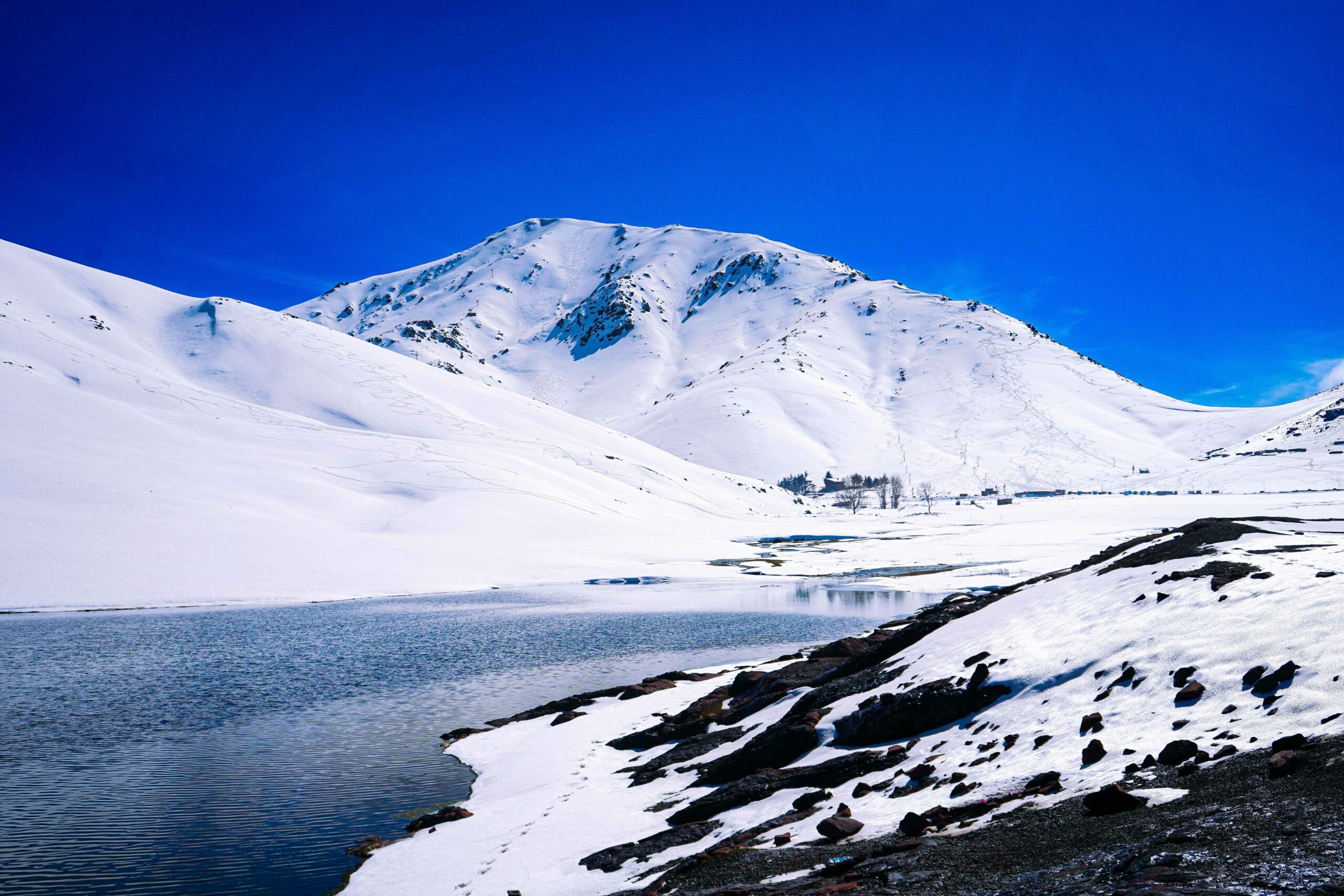
Seeing snow in the Atlas Mountains is one of the most surprising experiences you can have during a trip to Morocco. Just outside Marrakech, where winter days can still feel bright and relatively mild, the High Atlas rises dramatically toward snow-covered peaks.
From the red walls of Marrakech, you can often see the Atlas Mountains forming a spectacular backdrop on clear days. During winter, the higher elevations become covered in snow, creating a striking contrast between the warm colors of the Red City and the white peaks beyond it.
For travelers visiting Marrakech between late autumn and early spring, this creates an exciting opportunity to experience a completely different side of Morocco. Instead of associating the country only with sunshine, deserts, and warm weather, you can discover mountain villages, snowy landscapes, winter hiking, and even skiing at Oukaïmeden.
The best part is that some of these snowy landscapes can be reached on a day trip from Marrakech.
But when exactly can you see snow in the Atlas Mountains? Where should you go? Is Oukaïmeden the best option? Can you see snow in the Ourika Valley or Imlil? And what should you know before planning a winter mountain excursion?
This guide explains everything you need to know about snow in the Atlas Mountains from Marrakech, including the best places to visit, the best months, what to expect, and how to plan a memorable winter escape.
When Can You See Snow in the Atlas Mountains From Marrakech?
The Atlas Mountains are a vast mountain system, and snowfall varies significantly according to altitude and location.
The highest peaks can remain snow-covered for extended periods, while lower valleys may experience little or no snow.
For travelers based in Marrakech, the most reliable opportunities to see snow are generally during the colder months, particularly from December through March, although conditions vary from year to year.
December: The Beginning of the Snow Season
December marks the beginning of the main winter period in the High Atlas.
Snow can appear at higher elevations, particularly around Oukaïmeden and the Toubkal region.
Lower mountain valleys may remain relatively mild, while higher roads and peaks can become much colder.
This makes December an interesting month for travelers who want to combine Marrakech sightseeing with their first taste of winter in the mountains.
January: A Great Month for Snow
January is usually one of the strongest months for finding winter conditions at high elevations.
Oukaïmeden, located at around 3,200 meters, is particularly associated with winter sports. Morocco’s National Tourist Office describes the resort as a high-altitude ski area near Marrakech where visitors can enjoy snowy mountain conditions.
If your primary goal is to maximize your chances of seeing snow, January is one of the months worth considering.
However, snowfall is weather-dependent, so conditions should always be checked shortly before traveling.
February: Snowy Landscapes and Winter Adventures
February can also be an excellent month for mountain scenery.
Snow may still cover higher parts of the High Atlas, while the lower valleys begin to show early signs of seasonal change.
This can be a beautiful time for photography because the contrast between snow-covered peaks, rocky mountains, green valleys, and traditional villages creates dramatic landscapes.
March: The Transition Toward Spring
March can offer a fascinating combination of winter and spring.
Higher elevations may still have snow, particularly around the tallest peaks, while lower areas can become greener and more comfortable for walking.
For travelers who want to experience mountain scenery without committing to the coldest part of winter, March can be an attractive option.
Does It Snow Every Day?
No.
This is important when planning a trip.
Snowfall in the Atlas Mountains is seasonal but variable. A mountain destination can have snow one week and considerably less the next depending on temperatures, precipitation, altitude, and recent weather.
If seeing snow is the main purpose of your excursion, check recent mountain conditions before leaving Marrakech.
Where to See Snow in the Atlas Mountains From Marrakech
Not every mountain destination near Marrakech offers the same chance of seeing snow.
Some locations are better for winter sports, while others are better for scenic views, villages, hiking, and photography.
The following destinations are among the most interesting places to consider.
Oukaïmeden: The Best-Known Snow Destination Near Marrakech
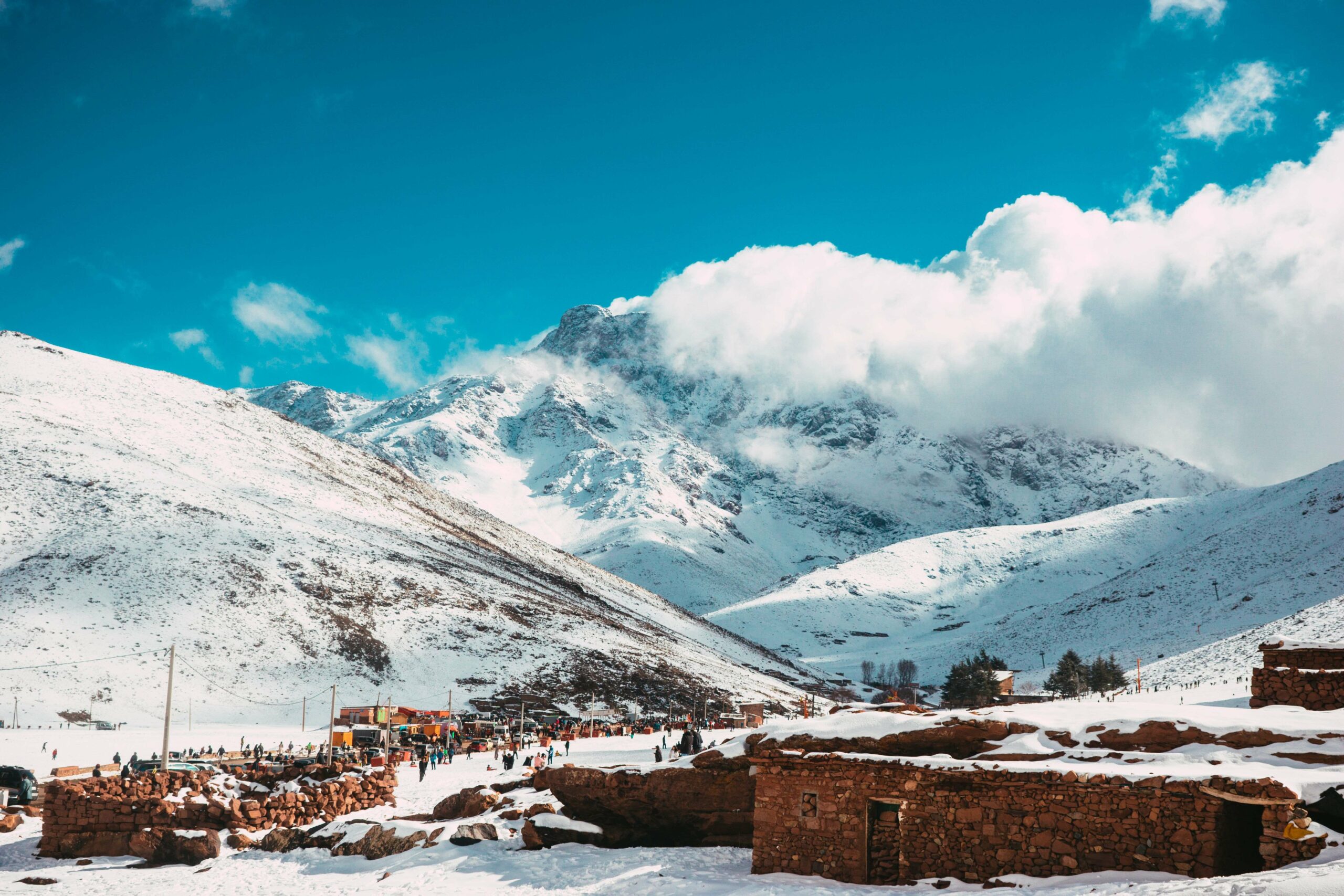
If you’re specifically searching for snow in the Atlas Mountains, Oukaïmeden should be near the top of your list.
Located at a high altitude in the High Atlas, Oukaïmeden is Morocco’s best-known mountain ski area.
The Moroccan National Tourist Office describes the Oukaïmeden ski area as rising to approximately 3,200 meters and offering winter sports opportunities.
Its altitude is the key.
While Marrakech may have mild winter weather, temperatures at Oukaïmeden can be dramatically colder.
What Can You Do in Oukaïmeden?
Depending on conditions, visitors may enjoy:
- Snow sightseeing
- Skiing
- Winter photography
- Mountain walks
- Scenic drives
- Exploring the surrounding landscapes
- Discovering prehistoric rock art
Oukaïmeden is not simply a ski destination.
The surrounding landscape also has archaeological and cultural interest, including prehistoric rock carvings. Morocco’s National Tourist Office highlights both its high-altitude environment and prehistoric rock-art sites.
Why Oukaïmeden Is Ideal for a Marrakech Day Trip
One of its biggest advantages is accessibility from Marrakech.
You don’t need to travel to another Moroccan city to experience snow.
You can leave Marrakech in the morning, travel toward the High Atlas, spend time in the mountains, and return to the city later.
This makes Oukaïmeden particularly attractive for travelers with limited time.
Imlil and Toubkal: Snow at the Heart of the High Atlas
For travelers who want a more dramatic mountain experience, the Imlil and Toubkal region offers another perspective.
Imlil is a mountain village and an important starting point for treks toward Mount Toubkal.
At 4,167 meters, Toubkal is the highest mountain in Morocco and North Africa.
The Moroccan National Tourist Office describes Toubkal trekking as a multi-day mountain adventure and recommends using a guide for the ascent.
Snow Around Imlil
Snow conditions around Imlil vary according to elevation and weather.
The village itself may not always be covered in snow, even when the higher mountain slopes are white.
This is an important distinction.
If you want easy access to visible snow, Oukaïmeden may be more straightforward.
If you want a deeper mountain experience involving villages, trekking, and high-altitude scenery, the Imlil-Toubkal region is more suitable.
Winter Trekking Requires Preparation
Snow changes mountain conditions considerably.
Winter trekking should not be treated like a normal summer hike.
Higher trails can become icy or snow-covered, temperatures can drop quickly, and weather conditions can change rapidly.
Anyone planning a serious winter trek should use appropriate equipment and experienced local mountain guidance.
Ourika Valley: Can You See Snow Near Marrakech?
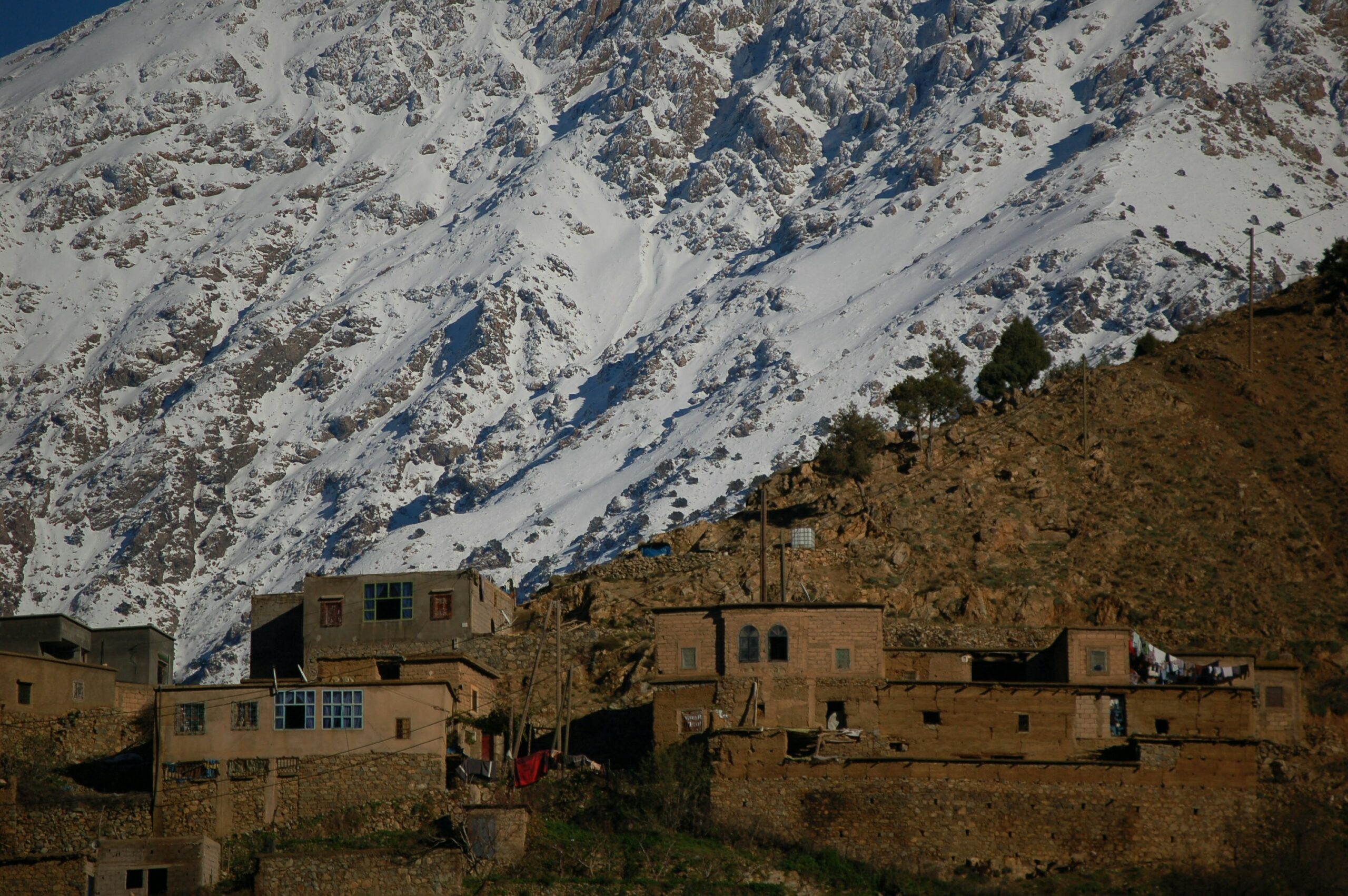
The Ourika Valley is one of the most popular mountain destinations from Marrakech.
It is located in the foothills of the High Atlas and is known for traditional villages, mountain landscapes, rivers, and hiking routes.
The valley itself is at a lower elevation than Oukaïmeden, so snow is less reliable in the valley.
However, during colder periods, snow can appear on the surrounding higher mountain slopes.
Morocco’s National Tourist Office describes the Ourika Valley as a scenic destination near Marrakech, with traditional villages and routes leading toward higher Atlas areas.
Why Visit Ourika in Winter?
Even if there is no snow directly in the valley, winter can still make an Ourika excursion worthwhile.
You can experience:
- Mountain scenery
- Amazigh villages
- Traditional architecture
- Local food
- River landscapes
- Waterfalls
- Hiking
- Views of higher snowy peaks
This makes Ourika a better choice for travelers who want mountain culture and scenery, rather than guaranteed snow.
Ourika vs. Oukaïmeden
If your priority is snow:
Choose Oukaïmeden.
If your priority is:
- Villages
- Culture
- Valley scenery
- Hiking
- Local food
- Traditional mountain life
then Ourika Valley can be a better choice.
The two destinations offer very different experiences even though both are accessible from Marrakech.
Snow in the Atlas Mountains: Oukaïmeden vs. Imlil vs. Ourika
Choosing the right destination depends on what you want to experience.
|
Destination |
Snow chances |
Main attraction |
Best for |
|
Oukaïmeden |
Higher at high altitude |
Snow and skiing |
Winter scenery |
|
Imlil |
Higher at surrounding elevations |
Mountain villages and trekking |
Adventure |
|
Toubkal |
Very high at summit/high elevations |
High-altitude mountain experience |
Experienced trekkers |
|
Ourika Valley |
Lower in valley |
Villages and landscapes |
Culture and easy excursions |
This doesn’t mean snow is guaranteed at any location on a specific day.
Mountain weather changes quickly, and altitude makes a major difference.
What Does Snow in the Atlas Mountains Look Like From Marrakech?
One of the most beautiful aspects of winter in Marrakech is the contrast between the city and the mountains.
Marrakech is famous for its ochre-colored architecture.
The Atlas Mountains rise behind it in the distance.
On clear winter mornings, snow-covered peaks can appear dramatically against the blue sky.
The Moroccan National Tourist Office itself describes Marrakech as being surrounded by the Atlas Mountains, with snowy peaks creating a distinctive skyline.
Snowy Mountains and the Red City
This contrast creates some of Morocco’s most recognizable winter scenery.
Imagine standing in the Marrakech Medina surrounded by:
- Terracotta walls
- Palm trees
- Traditional riads
- Busy souks
Then looking toward the horizon and seeing white mountain peaks.
The difference is remarkable.
Best Time of Day for Mountain Views
Morning can often be an excellent time to look toward the Atlas Mountains.
Clear air can provide impressive visibility, although visibility depends on weather and atmospheric conditions.
For photographers, winter mornings can produce especially beautiful contrasts between sunlight, mountain shadows, and snow.
What to Wear for a Snowy Atlas Mountains Day Trip
One of the biggest mistakes visitors make is dressing for Marrakech rather than the mountains.
Winter temperatures in Marrakech and the High Atlas can be very different.
If you’re traveling from Marrakech to a high-altitude destination such as Oukaïmeden, dress in layers.
Essential Winter Clothing
Bring:
- Warm jacket
- Sweater or fleece
- Long trousers
- Warm socks
- Waterproof or sturdy shoes
- Gloves
- Hat
- Scarf
For Snow Activities
If you plan to walk or play in snow, waterproof footwear becomes particularly useful.
Snow can quickly make ordinary sneakers wet and uncomfortable.
Don’t Forget Sun Protection
Snow reflects sunlight.
Even when temperatures are low, UV exposure can still be significant at altitude.
Bring:
- Sunglasses
- Sunscreen
- Lip balm
A good pair of sunglasses is particularly useful when spending time around bright snow.
How to Travel From Marrakech to the Snowy Atlas Mountains
The journey itself is part of the experience.
As you leave Marrakech, the landscape gradually changes.
The city gives way to agricultural areas, foothills, valleys, and increasingly rugged mountain terrain.
By Organized Day Trip
For first-time visitors, an organized excursion can be the easiest option.
A local tour can handle transportation and help you navigate mountain roads and changing conditions.
This allows you to focus on the scenery rather than worrying about logistics.
By Private Vehicle
A private trip offers greater flexibility.
You can stop at viewpoints, villages, cafés, and photography locations along the route.
This can be especially useful for families or photographers.
By Rental Car
Driving independently is possible, but winter mountain conditions require caution.
Snow, ice, fog, and road conditions can affect travel.
Drivers unfamiliar with mountain roads should check conditions before departure and avoid taking unnecessary risks.
Is Oukaïmeden Worth Visiting From Marrakech?
For travelers interested specifically in snow in the Atlas Mountains, Oukaïmeden can absolutely be worth visiting.
The combination of altitude, winter landscapes, and proximity to Marrakech makes it unique.
It also offers something unexpected for visitors who associate Morocco exclusively with warm-weather travel.
Skiing in Morocco
Yes, you can ski in Morocco.
Oukaïmeden is the country’s best-known ski area and sits at around 3,200 meters. Morocco’s National Tourist Office specifically promotes the destination for skiing and winter mountain activities.
However, don’t compare it directly with the large alpine resorts of Europe.
Oukaïmeden is a very different experience.
The appeal is partly the novelty of skiing in North Africa, combined with spectacular High Atlas scenery and proximity to Marrakech.
Who Should Visit Oukaïmeden?
It can be particularly interesting for:
- First-time Morocco visitors
- Families
- Photographers
- Winter travelers
- Adventure seekers
- Skiing enthusiasts
- Travelers looking for unusual experiences
Snow in the Atlas Mountains: Best Months to Plan Your Trip
If snow is the main reason you’re visiting the mountains, timing matters.
December
Good for: Early winter landscapes
Snow may begin appearing at higher elevations.
January
Good for: Winter scenery and snow
One of the strongest months to target for high-altitude snow, depending on the season.
February
Good for: Snow and winter activities
A strong period for Oukaïmeden and high mountain landscapes when conditions cooperate.
March
Good for: Snow + milder lower-elevation weather
Higher peaks can remain snowy while lower valleys begin transitioning toward spring.
April and Beyond
Snow becomes increasingly concentrated at the highest elevations.
If your goal is to see large amounts of accessible snow, winter is generally a better choice.
Can You See Snow and Visit the Desert on the Same Morocco Trip?
Absolutely—and this is one of the most fascinating aspects of traveling in Morocco.
The country offers extraordinary geographic contrasts.
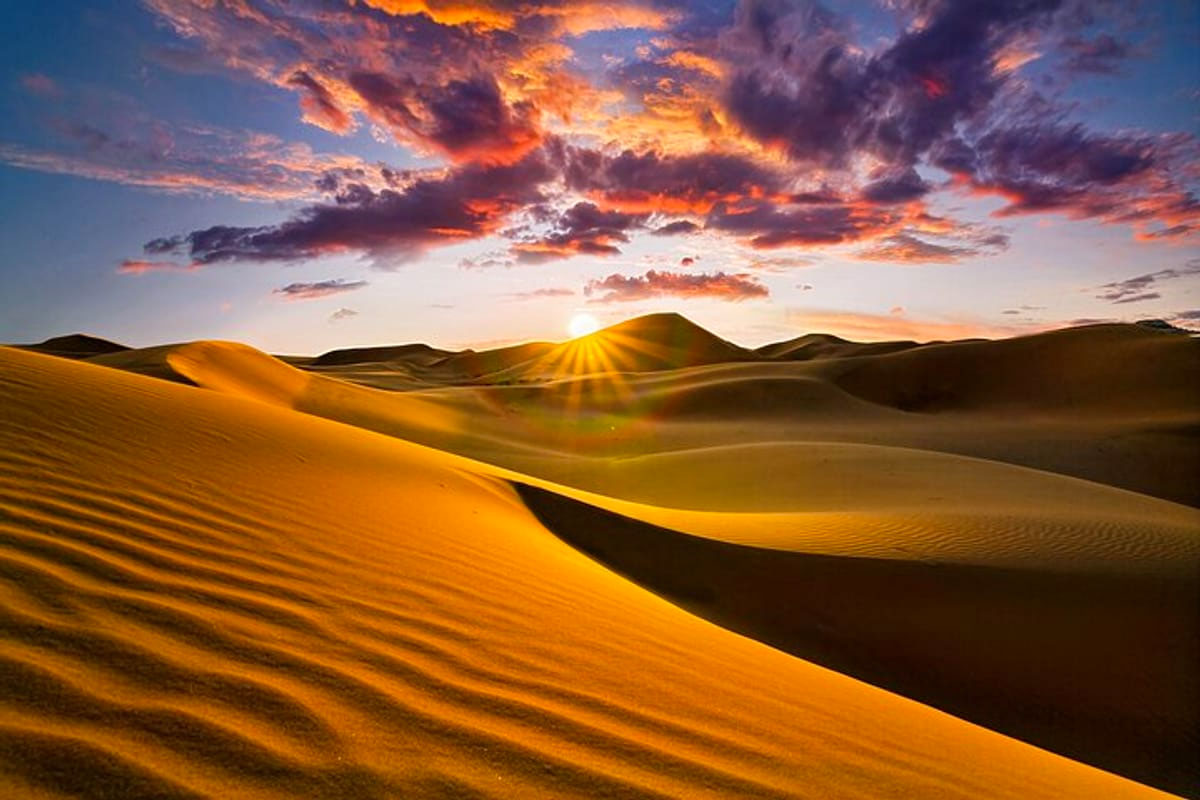
You can see snow in the High Atlas and later experience desert landscapes farther south.
These environments can feel like completely different countries.
From Marrakech to the Mountains
Start with a mountain excursion.
See snowy peaks, mountain villages, and high-altitude landscapes.
From the Mountains Toward the Desert
Continue through southern Morocco.
The landscape gradually becomes drier.
You may pass valleys, kasbahs, palm groves, and rocky plateaus.
Eventually, you can reach desert regions.
This combination makes Morocco particularly attractive for travelers who want variety rather than a single type of landscape.
Winter in Marrakech: What Else Can You Do?
You don’t have to spend your entire trip in the mountains.
Marrakech itself remains an excellent winter destination.
Explore the Medina
Winter is a comfortable time for walking around the historic center.
A walking tour in Marrakech can help you discover the city’s historic streets, architecture, markets, and cultural landmarks.
Visit the Souks
Spend an afternoon exploring the markets.
Our Marrakech Souks Guide can help you prepare for the experience and understand what to expect when shopping in the Medina.
Add a Desert Experience
If you want to combine mountain and desert landscapes, consider an Agafay Desert day trip from Marrakech.
Agafay is a rocky desert landscape close to Marrakech rather than a snowy mountain destination, but it can add another completely different landscape to your Morocco itinerary.
Discover More of Morocco From Marrakech
Your Marrakech journey doesn’t have to stop at the Medina.
From the Agafay Desert and Atlas Mountains to Fes and Morocco’s southern landscapes, Trips From Marrakech offers experiences that allow you to discover different sides of the country.
Photography Tips for Snow in the Atlas Mountains
Snow-covered Atlas landscapes can be incredibly photogenic.
The key is to emphasize contrast.
Photograph the Mountains From Marrakech
Try photographing the Atlas behind:
- Marrakech rooftops
- Palm trees
- Medina walls
- Traditional architecture
- Rooftop cafés
The combination of warm-colored architecture and snowy peaks creates a strong composition.
Photograph Oukaïmeden
At Oukaïmeden, focus on:
- Snow-covered slopes
- Mountain ridges
- Skiers
- Traditional mountain buildings
- Valleys
- Rock formations
Use Early Morning Light
Early light can create shadows and texture across snowy landscapes.
Avoid photographing only a flat white surface.
Look for:
- Mountain ridges
- Footprints
- Rocks
- Trees
- People
- Shadows
These elements add depth to your images.
Important Things to Know Before Visiting Snowy Atlas Mountains
A mountain trip requires more preparation than a normal Marrakech city excursion.
Check the Weather
Snowfall and road conditions can change quickly.
Check current forecasts before leaving Marrakech.
Check Road Conditions
Mountain roads can be affected by snow or ice.
If conditions are poor, don’t assume your planned itinerary will operate normally.
Expect Lower Temperatures
Don’t rely on Marrakech’s temperature when deciding what to wear.
High-altitude locations can be much colder.
Bring Cash
Some remote mountain areas have limited card-payment facilities.
Having some Moroccan dirhams available is practical.
Respect Mountain Communities
The Atlas Mountains are home to Amazigh communities with long-established traditions and ways of life.
Visitors should be respectful when photographing people, entering villages, or visiting local homes.
Consider a Local Guide
For hiking or more challenging mountain routes, local expertise can be extremely valuable.
The National Tourist Office recommends guided support for major Toubkal ascents.
Snow in the Atlas Mountains: A Unique Winter Experience From Marrakech
The idea of seeing snow in Morocco may sound surprising, but the Atlas Mountains make it possible.
Within a relatively short journey from Marrakech, the landscape can change from sunny red-earth plains to dramatic mountain terrain and snowy high-altitude peaks.
Oukaïmeden is the most obvious destination for travelers specifically seeking snow and winter sports, while Imlil and the Toubkal region offer a deeper mountain experience. Ourika Valley provides another perspective, combining mountain scenery, villages, and culture, although snow is less reliable at the valley floor.
The most important thing is to plan around altitude and current weather conditions rather than assuming that every mountain destination will be covered in snow.
Plan Your Atlas Mountains Winter Escape From Marrakech
If you’re visiting Marrakech during winter, don’t limit your experience to the city.
Look toward the mountains.
On a clear day, the snowy Atlas peaks create one of the most spectacular backdrops in Morocco.
For a relaxed mountain excursion, explore the valleys and villages around Marrakech. For snow and winter scenery, head toward higher elevations such as Oukaïmeden. For serious mountain adventures, the Imlil and Toubkal area offers an entirely different level of experience.
And if you have more time, combine the mountains with Morocco’s desert landscapes for an itinerary that takes you from snow-covered peaks to the Sahara.
Frequently Asked Questions About Snow in the Atlas Mountains
Does it snow in the Atlas Mountains near Marrakech?
Yes. Snow regularly occurs at higher elevations of the High Atlas during the winter months. Oukaïmeden is one of the most accessible places near Marrakech for experiencing snowy mountain conditions, while higher parts of the Toubkal region can also receive substantial snowfall.
What is the best month to see snow in the Atlas Mountains?
January and February are generally among the best months to look for accessible snow at high elevations, although snowfall varies each year. December and March can also offer snowy conditions, particularly at higher altitudes.
Can I see snow in the Atlas Mountains on a day trip from Marrakech?
Yes. Oukaïmeden is one of the most practical destinations for a Marrakech day trip focused on snow. The exact experience depends on current weather, road conditions, and snowfall.
Can I visit the Atlas Mountains and the Sahara on the same Morocco trip?
Yes. A longer itinerary can combine Marrakech, the High Atlas, southern Morocco, and the Sahara. This is one of the best ways to experience Morocco’s extraordinary geographic contrasts, from snowy mountain peaks to desert landscapes.
How many days do I need for a Morocco Thanksgiving trip?
For a short Marrakech getaway, three to four days can work. Five to seven days gives you more flexibility for a desert excursion, while seven to ten days allows you to combine Marrakech with the Atlas Mountains, southern Morocco, the Sahara, and potentially Fes.
Seeing snow in the Atlas Mountains is a reminder that Morocco is far more geographically diverse than many travelers expect. From Marrakech, you can go from the warm ochre streets of the Medina to high-altitude landscapes where winter snow covers the mountains. Oukaïmeden is the best-known destination for accessible snow and skiing, while Imlil, Toubkal, and the Ourika Valley offer different combinations of mountain scenery, culture, hiking, and village life.
If you’re planning a winter trip to Marrakech, why not add a mountain adventure to your itinerary? Would you rather visit the snowy slopes of Oukaïmeden, explore an Amazigh mountain village, or combine the Atlas Mountains with a desert adventure? Tell us in the comments!
Photo Gallerie