Who Are the Amazigh? Origins, Identity, and Historical Memory of North Africa

Phone
+212 660 44 471

Contactyourtourguide@gmail.com

Office
1111 rue El,Rue koufa Essaouira 44000

Hours
Monday-Sunday:
24/7
Who Are the Amazigh? Exploring the Indigenous Culture and History of North Africa
For many travelers arriving in Morocco, North Africa feels immediately unique. The architecture is different from the Middle East, the rhythms of daily life feel older than modern borders, and the mountains and deserts seem shaped by civilizations that existed long before the modern world. Behind much of this identity stands one of the oldest peoples of the Mediterranean world: the Amazigh.
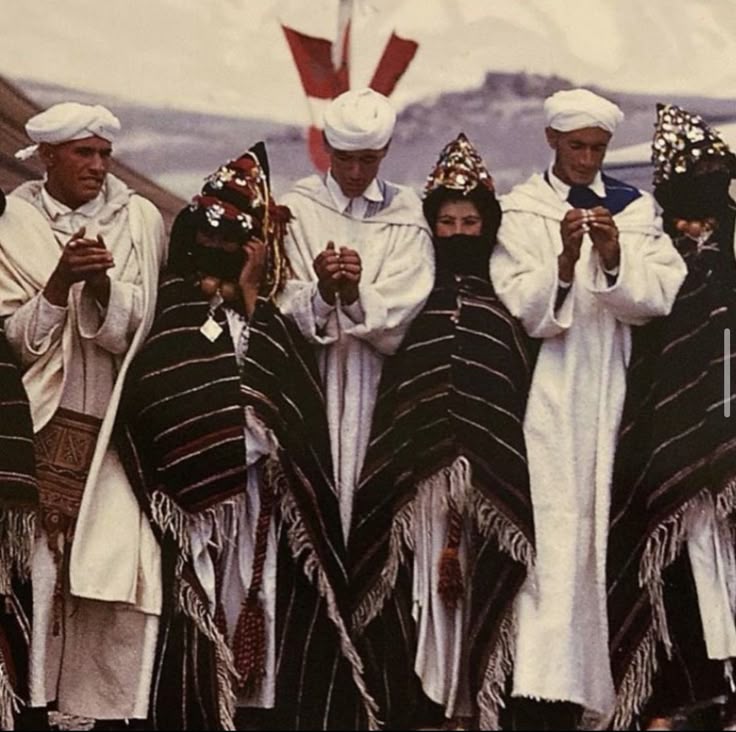
Known historically by the exonym “Berbers,” the Amazigh are the Indigenous people of North Africa, with a history stretching back thousands of years across present-day Morocco, Algeria, Tunisia, Libya, Mali, Niger, and parts of Egypt. Today, Amazigh identity remains deeply connected to Morocco’s language, music, architecture, craftsmanship, and cultural memory. From the Atlas Mountains to the Sahara, Amazigh traditions continue to shape everyday life in ways many visitors do not immediately recognize.
Understanding Amazigh history is essential for understanding Morocco itself. It explains why villages in the High Atlas look the way they do, why certain Moroccan dialects contain unique sounds and vocabulary, why geometric symbols appear in carpets and jewelry, and why oral storytelling remains so important across rural communities.
This article explores the origins of the Amazigh people, their historical evolution, their language and traditions, and the enduring role they play in North African identity today.
The Meaning of the Word “Amazigh”
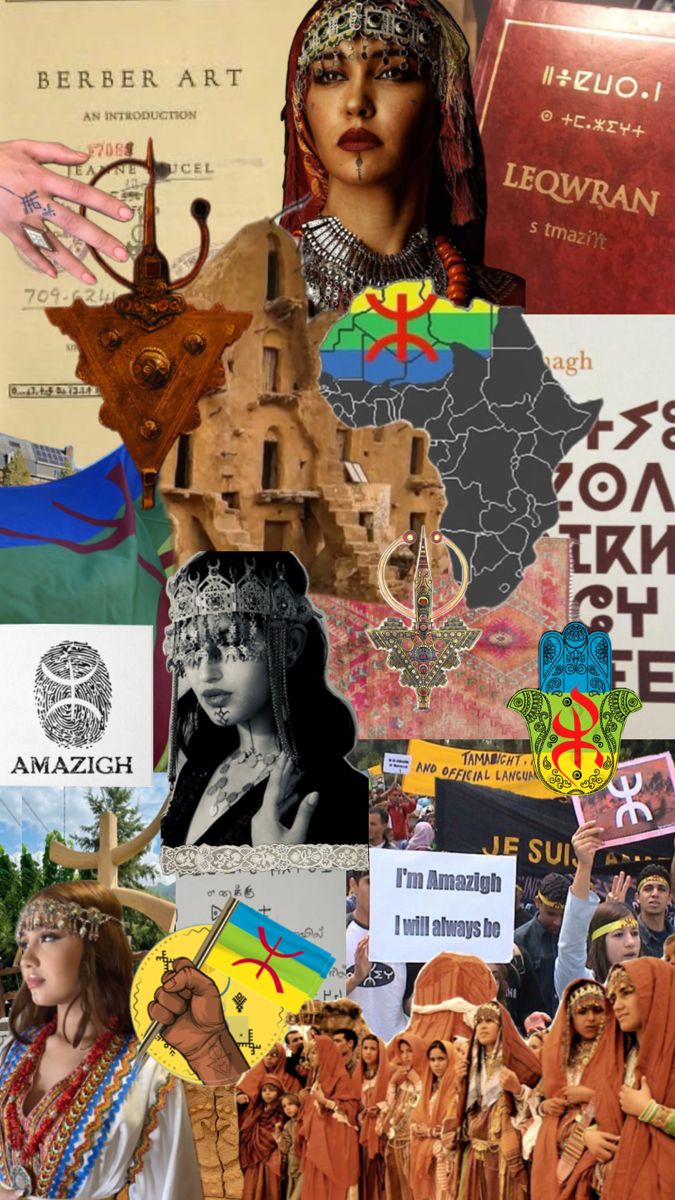
The word Amazigh (plural: Imazighen) is commonly translated as “free person” or “free people.” Many Amazigh communities prefer this name over the term “Berber,” which originated externally and became widespread during Greek, Roman, and later European historical writing. (Encyclopedia Britannica)
Today, the term Amazigh represents far more than ethnicity alone. It carries cultural, linguistic, historical, and political meaning. Across North Africa, many people identify with Amazigh heritage even when Arabic has become their primary language.
In Morocco especially, Amazigh identity is deeply woven into national culture. Traditional village architecture, mountain agriculture, local music, hospitality customs, textile art, and desert caravan history all reflect Amazigh influence.
The Ancient Origins of the Amazigh People
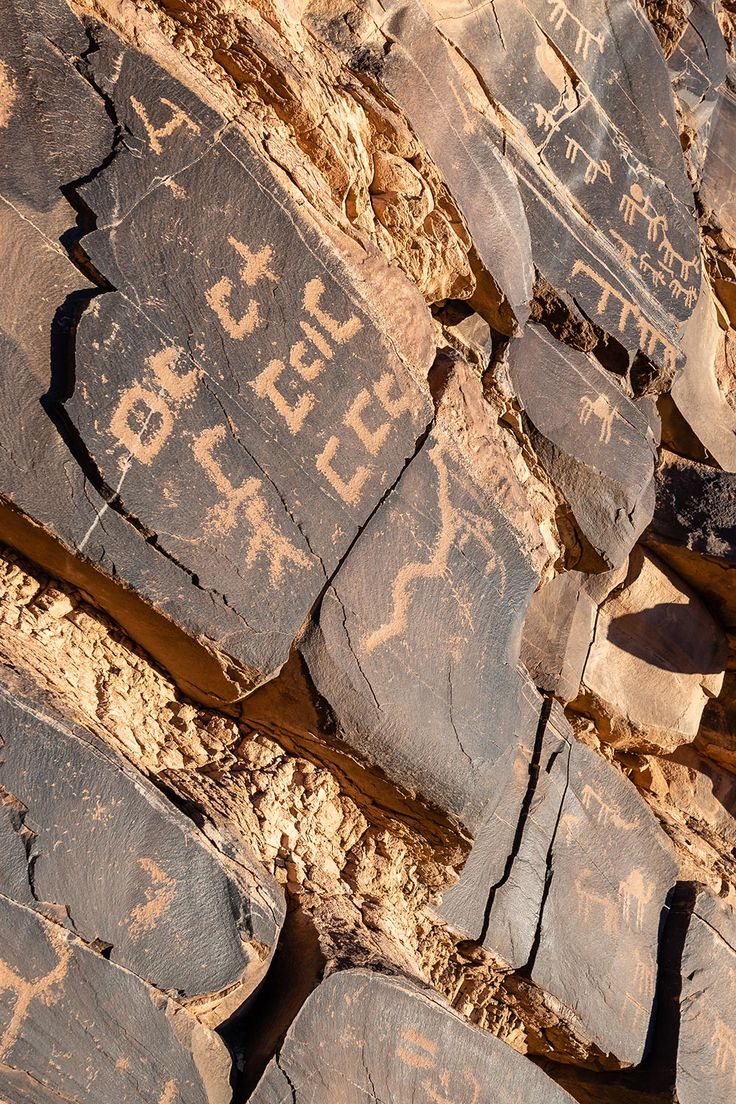
The Amazigh are considered the Indigenous inhabitants of North Africa, with roots extending thousands of years before the arrival of Arabs, Romans, or Europeans. Archaeological evidence, rock engravings, and historical records connect Amazigh ancestors to ancient populations spread across the Maghreb and Sahara regions. (Indigenous Peoples Database)
Long before modern states existed, Amazigh communities occupied a vast territory stretching from the Atlantic coast of Morocco to the Siwa Oasis in Egypt. Their societies adapted to radically different landscapes, including:
- The Atlas Mountains
- Mediterranean coastal plains
- Saharan desert routes
- Oasis settlements
- Semi-nomadic grasslands
This geographical diversity helped produce many distinct Amazigh groups rather than one centralized civilization.
Ancient historians referred to different Amazigh tribes under various names. Greek and Roman writers often described them collectively as “Libyans” or “Berbers,” though these labels simplified a highly diverse reality. (Encyclopédie d’Histoire du Monde)
Some of the earliest known Amazigh kingdoms include:
- Numidia
- Mauretania
- Garamantian desert states
These kingdoms interacted with major Mediterranean powers including Carthage and Rome.
One of the most famous Amazigh rulers was King Masinissa of Numidia, who played a decisive role during the Punic Wars between Rome and Carthage. His reign helped establish one of the strongest political entities in ancient North Africa. (Indigenous Peoples Database)
Amazigh Identity Before Arabization
Before the Arab-Islamic expansion into North Africa during the 7th century, Amazigh societies already possessed rich political and cultural traditions. Communities ranged from settled agricultural villages to nomadic desert confederations.
Religion varied widely across regions and periods. Some Amazigh groups practiced local spiritual traditions connected to nature and ancestor memory. Others adopted Christianity or Judaism during Roman and Byzantine influence. In later centuries, Islam became the dominant faith across most Amazigh societies.
The arrival of Islam transformed North Africa profoundly, but Amazigh communities were not passive recipients of change. Many became central actors in the spread of Islam itself. Amazigh dynasties later helped shape Islamic civilization across North Africa and even into Spain. (Encyclopedia Britannica)
This historical reality matters because it challenges simplistic narratives that portray Amazigh identity and Islamic identity as opposites. In reality, Amazigh peoples became deeply influential within Islamic history while still preserving distinct languages and cultural traditions.
The Amazigh Dynasties That Shaped Morocco
Morocco’s historical foundations cannot be separated from Amazigh dynasties. Several of the most influential ruling powers in Moroccan history emerged directly from Amazigh tribes and confederations.
The Almoravids
The Almoravid dynasty emerged in the 11th century from Amazigh communities connected to the Sahara. They established Marrakech as a political center and created a vast empire extending into present-day Spain and West Africa.
The Almoravids helped transform Marrakech into one of the most important cities in the Islamic world.
The Almohads
The Almohads followed the Almoravids and expanded Amazigh political influence even further. Under their rule, cities such as Marrakech, Rabat, Seville, and Fez became major centers of learning, architecture, and commerce.
Many of Morocco’s famous historical monuments date back to Amazigh-led dynasties from this period.
The Marinids
The Marinids, another Amazigh dynasty, strengthened Fez as an intellectual and spiritual capital. During their reign, madrasas, libraries, and scholarly institutions flourished throughout Morocco.
These dynasties prove that Amazigh history is not peripheral to Morocco’s story. It is central to it.
Amazigh Languages and the Survival of Tamazight
One of the strongest expressions of Amazigh identity is language.
Tamazight refers to a group of related Amazigh languages spoken across North Africa. Major varieties in Morocco include:
- Tashelhit
- Tarifit
- Central Atlas Tamazight
These languages belong to the Afro-Asiatic language family. (Encyclopedia Britannica)
For centuries, Amazigh languages survived mainly through oral tradition. Poetry, songs, folktales, and storytelling preserved collective memory across generations.
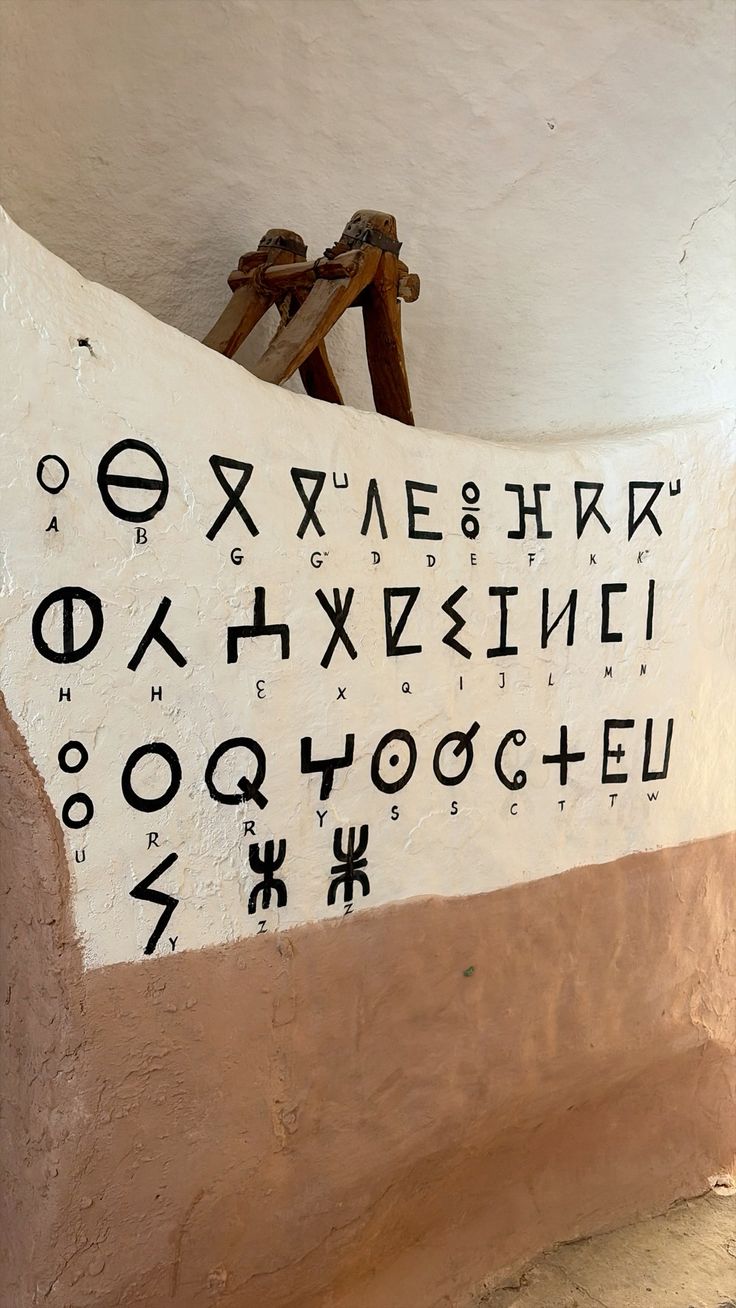
One of the most visually distinctive elements of Amazigh culture is the Tifinagh script, an ancient writing system still used symbolically and educationally today. The script has become an important symbol of Amazigh cultural revival in modern Morocco. (Indigenous Peoples Database)
In 2011, Morocco officially recognized Tamazight as an official language alongside Arabic, marking a major cultural and political shift. This recognition reflected decades of activism aimed at preserving Amazigh identity and linguistic heritage.
Today, travelers throughout Morocco often encounter Tamazight written on public signs in Arabic, French, and Tifinagh.
Amazigh Culture in Everyday Moroccan Life
Many visitors to Morocco experience Amazigh culture without immediately realizing it.
Across the Atlas Mountains and southern Morocco, Amazigh influence appears everywhere:
- Earthen kasbah architecture
- Handwoven carpets
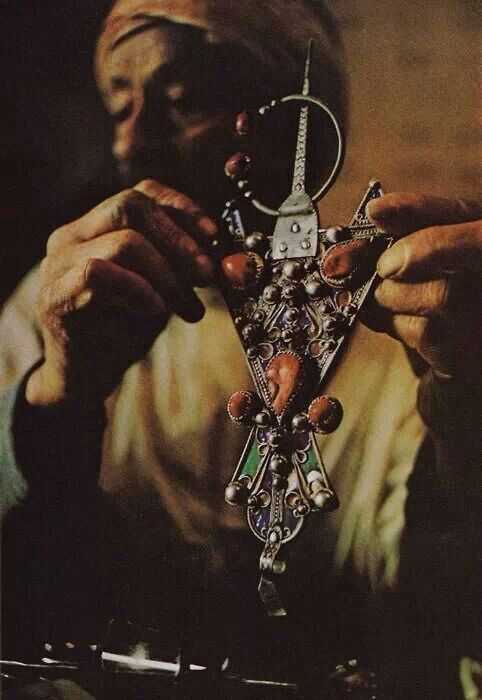
- Silver jewelry
- Village music traditions
- Traditional farming systems
- Seasonal festivals
- Oral poetry
- Hospitality customs
In regions such as the High Atlas, Anti-Atlas, and Sahara gateway towns, Amazigh heritage remains especially visible.
Amazigh Carpets and Symbolism
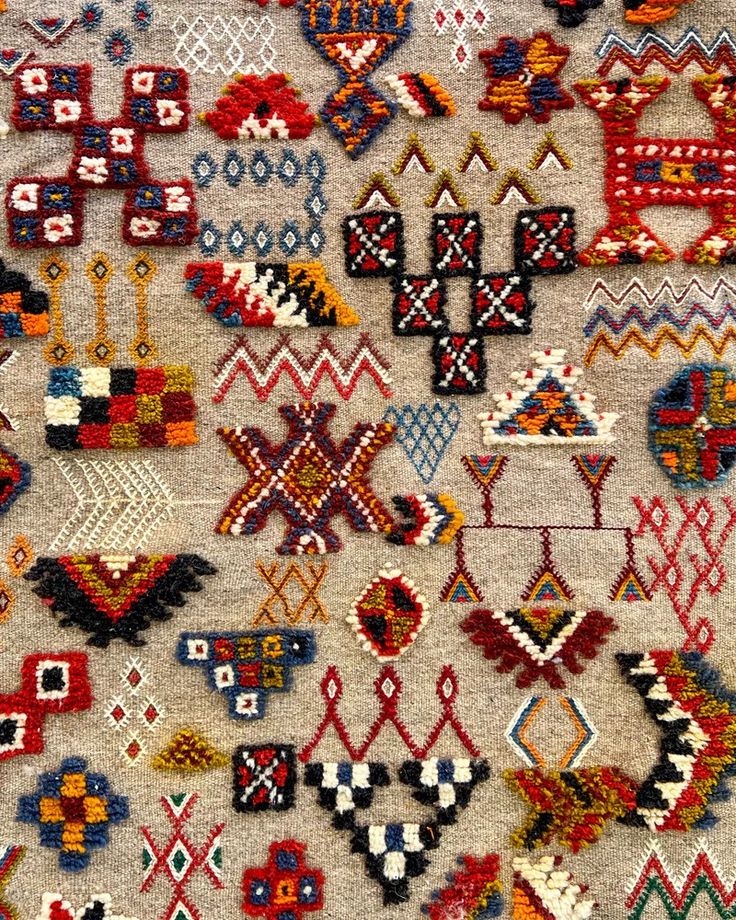
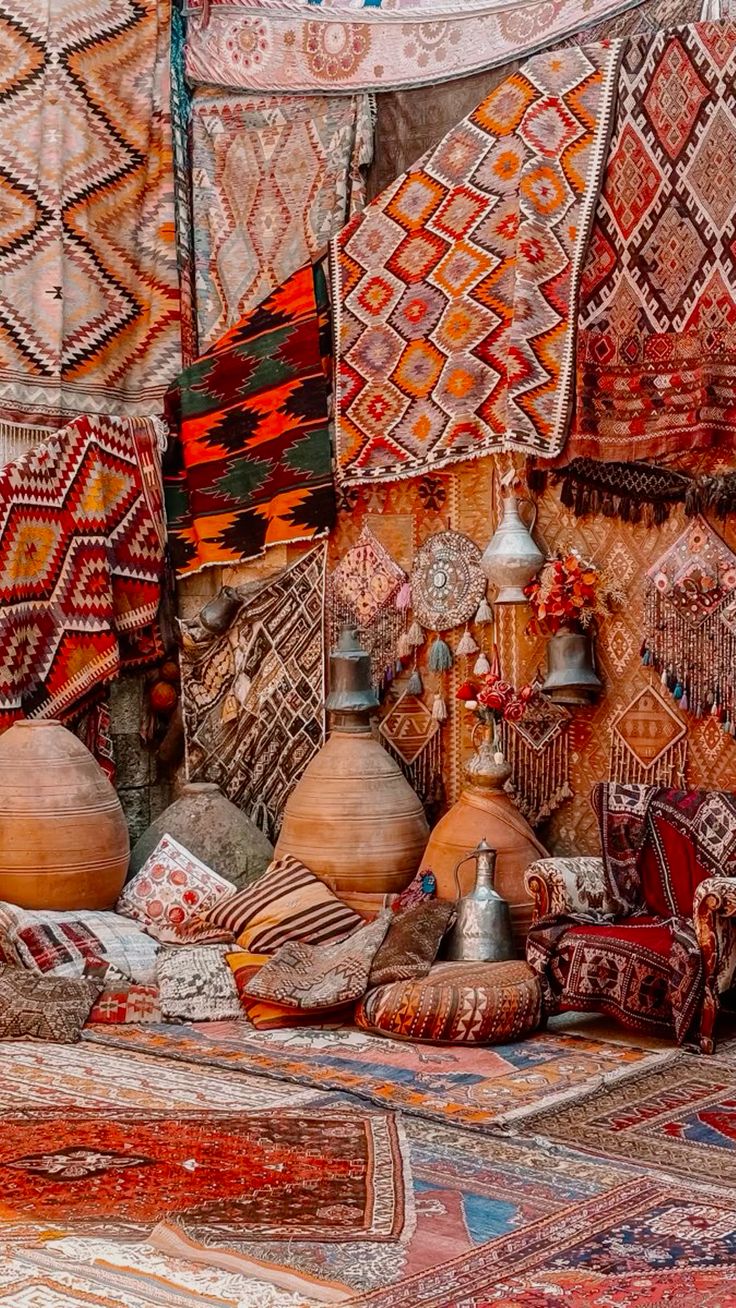
Moroccan Amazigh carpets are among the country’s most recognized artistic traditions. Each region developed distinct weaving styles and symbolic motifs.
Geometric patterns often carry meanings connected to fertility, protection, nature, family, or spiritual beliefs. Many designs were historically transmitted through generations of women rather than formal written instruction.
Today, authentic Amazigh rugs remain one of Morocco’s most important forms of living craftsmanship.
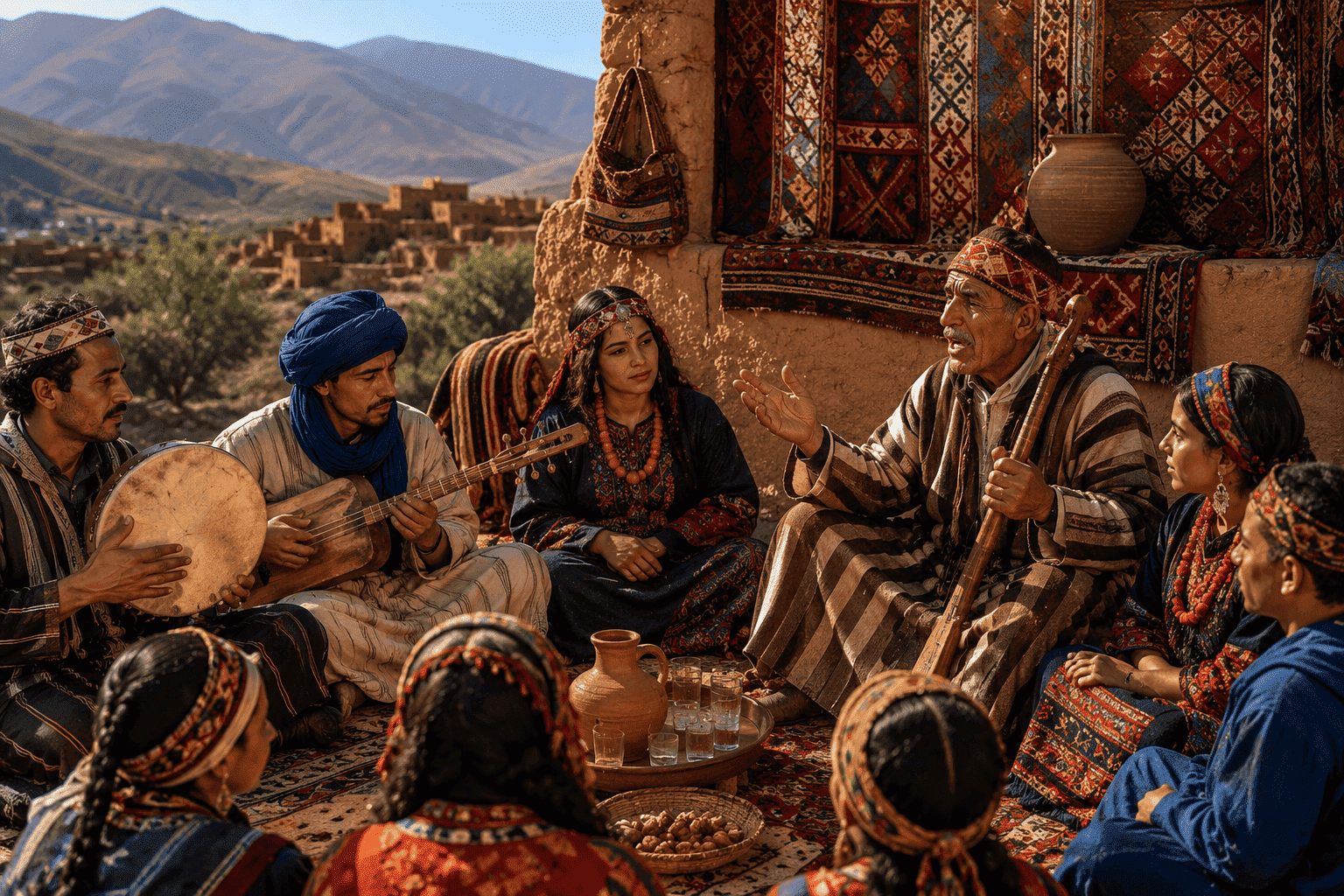
Music and Oral Storytelling
Music plays a central role in Amazigh cultural memory. Traditional instruments, rhythmic chants, and communal dance continue to animate weddings, harvest celebrations, and village festivals.
Amazigh oral storytelling traditions also remain powerful. Historical memory was preserved for centuries through spoken narratives rather than written archives.
This emphasis on oral culture helped Amazigh communities preserve identity even during periods of political marginalization.
The Amazigh Relationship With the Sahara
The Sahara was never an empty space in Amazigh history. It functioned as a major corridor of trade, migration, and cultural exchange.
Tuareg Amazigh communities became especially famous for their desert navigation, caravan trade networks, and nomadic traditions. These trans-Saharan routes connected North Africa with West Africa for centuries.
Salt, gold, textiles, manuscripts, and spices moved across desert caravan paths controlled or protected by Amazigh groups. (Encyclopedia Britannica)
Many desert towns in Morocco still reflect this heritage today. Visitors traveling through southern Morocco often encounter fortified ksour, oasis villages, and ancient caravan architecture rooted in Amazigh desert history.
Colonialism and the Politics of Identity
The colonial period transformed North Africa dramatically.
French and Spanish colonial authorities often categorized Amazigh communities separately from Arab populations in ways that reshaped political identity. Colonial administrations sometimes exploited ethnic distinctions for governance strategies, creating long-lasting tensions.
After independence, many North African governments emphasized Arab nationalism as a foundation for modern state identity. In several countries, Amazigh language and culture received limited institutional recognition for decades.
This led to major cultural activism movements across Morocco and Algeria aimed at preserving Amazigh identity, language, and historical memory.
Today, Amazigh activism is closely tied to broader discussions about Indigenous identity, cultural preservation, historical recognition, and linguistic rights.
The Amazigh Cultural Revival in Modern Morocco
Over the past several decades, Morocco has witnessed a significant Amazigh cultural revival.
Tamazight language education expanded gradually in schools. Amazigh music gained broader national visibility. Academic research into Amazigh history increased. Cultural festivals celebrating Amazigh traditions became more prominent.
The recognition of Tamazight as an official language represented one of the most important milestones in this revival.
Today, younger generations across Morocco increasingly reconnect with Amazigh heritage through:
- Language learning
- Music
- Digital media
- Historical research
- Cultural festivals
- Literature
- Traditional crafts
This revival is not simply nostalgic. It reflects an effort to reclaim historical memory and recognize the complexity of Moroccan identity.
Historical Memory and the Question of Identity
One reason Amazigh history matters so deeply today is because it raises larger questions about identity in North Africa.
Who gets remembered in official history?
Whose language is preserved?
Which cultural traditions survive modernization?
Across North Africa, many people have mixed heritage shaped by centuries of migration, trade, intermarriage, empire, and cultural exchange. Identity is often layered rather than fixed.
Modern Amazigh movements frequently emphasize that recognizing Amazigh heritage does not require rejecting Arab, Islamic, African, or Mediterranean dimensions of identity. Instead, many advocates argue for a more historically complete understanding of North Africa itself.
This discussion continues to evolve in literature, politics, education, and public culture throughout the region.
SS to this text in the module Advanced settings.
Visiting Amazigh Regions in Morocco
For travelers interested in experiencing Amazigh heritage directly, Morocco offers extraordinary opportunities.
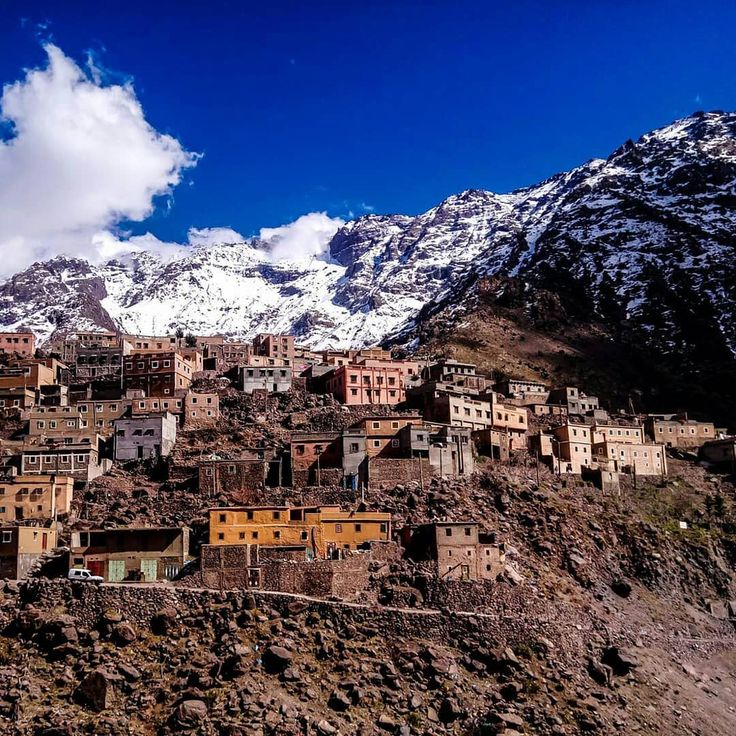
The High Atlas Mountains
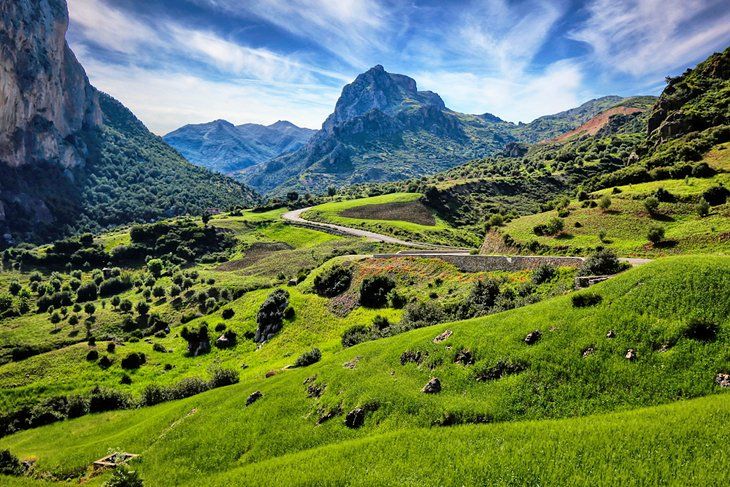
The High Atlas remains one of the best places to encounter Amazigh village life, mountain agriculture, and traditional architecture.
Remote valleys preserve customs and landscapes that feel far removed from modern urban centers.
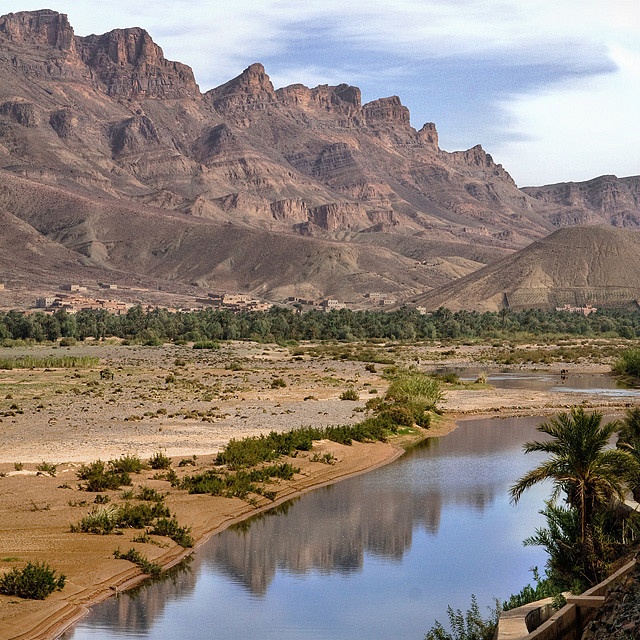
The Draa Valley
The Draa Valley combines oasis culture, kasbah architecture, and desert history deeply connected to Amazigh and caravan traditions.
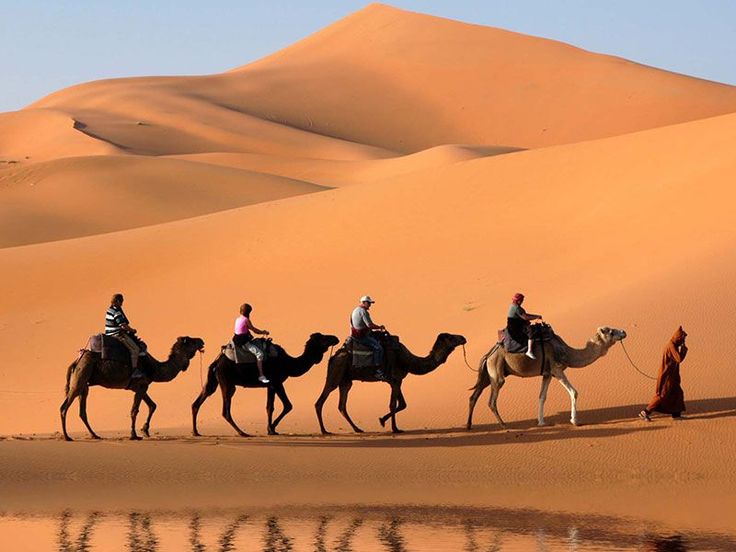
The Sahara Desert
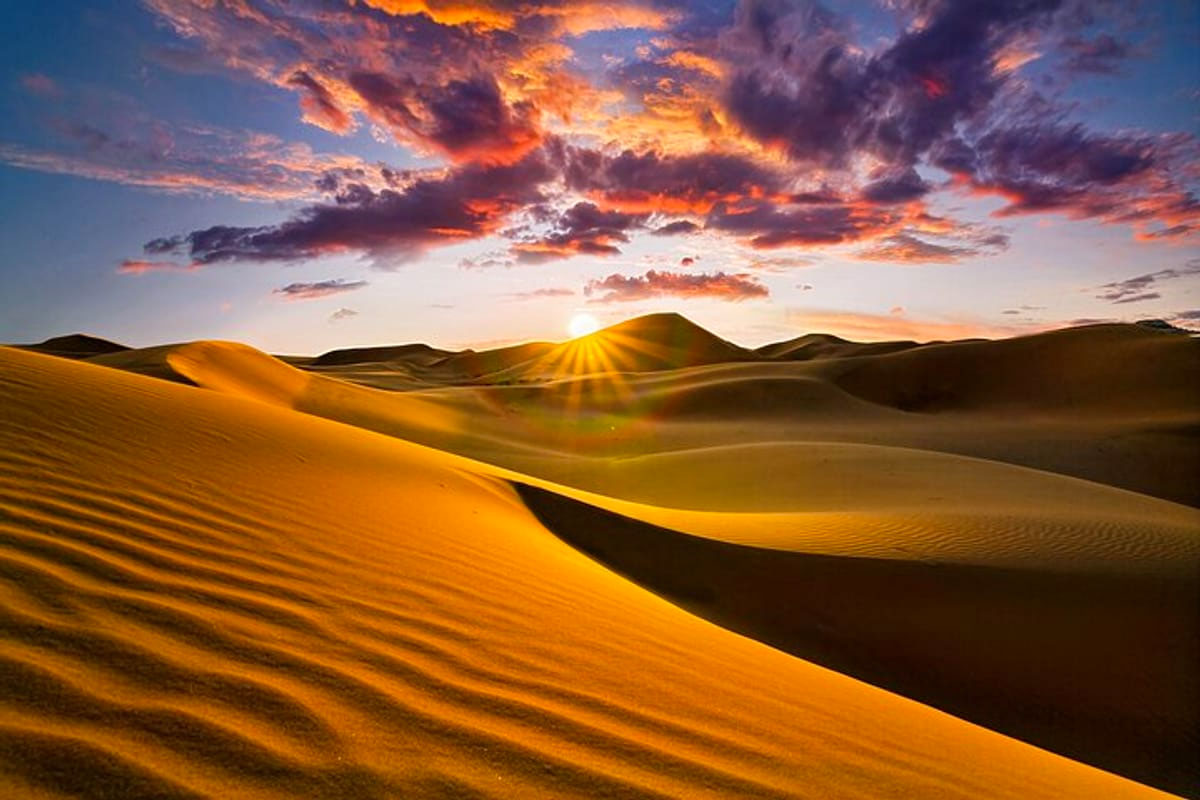
Desert journeys near Merzouga and Erg Chebbi often include encounters with Amazigh and Tuareg cultural traditions connected to nomadic history.
The Rif Mountains
Northern Morocco’s Rif region maintains strong Amazigh linguistic and cultural identity, especially through Tarifit-speaking communities.
Traveling through these regions offers more than scenic beauty. It provides insight into one of the oldest living cultures in North Africa.
Why Amazigh History Matters Today
Understanding Amazigh history changes how people see Morocco and North Africa.
It reveals that the region cannot be reduced to a single narrative or identity. North Africa has always been shaped by layers of civilizations, migrations, languages, and cultural exchanges.
The Amazigh story is ultimately one of resilience.
Despite conquests, imperial rule, colonialism, linguistic pressure, and modernization, Amazigh communities preserved traditions, languages, and collective memory across thousands of years.
Today, that heritage remains alive not only in museums or historical books, but in daily Moroccan life:
- In mountain villages
- In music and poetry
- In handmade carpets
- In oral storytelling
- In desert traditions
- In family memory
- In language itself
For travelers exploring Morocco, learning about Amazigh culture offers a deeper and more meaningful understanding of the country beyond surface-level tourism.
It reveals the historical depth behind Morocco’s landscapes, architecture, and traditions — and reminds visitors that North Africa’s story began long before modern borders ever existed.
The Amazigh are not a forgotten people of the past. They remain one of the foundational cultures of North Africa.
Their history stretches from prehistoric Sahara rock art to modern cultural revival movements. Their influence shaped kingdoms, trade routes, architecture, language, and spiritual traditions across Morocco and the wider Maghreb.
To understand Morocco fully, one must understand the Amazigh.
Their story is the story of endurance, adaptation, and historical memory — a living connection between ancient North Africa and the modern world. (Encyclopedia Britannica)
Photo Gallerie