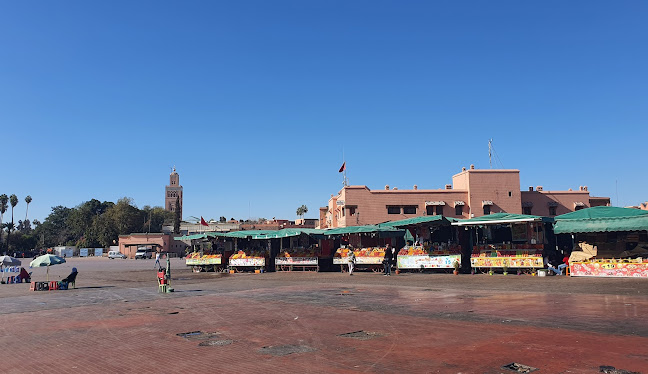
A walking tour in Marrakech offers an experience unlike any other, in a city steeped in history and culture. It is like stepping back in time while experiencing the bustling pulse of modern Morocco. As one of the country’s most iconic cities, Marrakech weaves together a tapestry of traditions, flavors, and sights that are best explored on foot. The journey begins in the heart of the city, at the famous Jemaa El Fna square, a place that is both chaotic and captivating. It is a living theater, where snake charmers, street performers, food vendors, and locals engage in their daily rituals.
Walking Tour in Marrakech
The sound of drums, the scent of exotic spices, and the vibrant colors of Moroccan textiles fill the air in this walking tour in Marrakech, creating an intoxicating atmosphere that draws you in. As the square is the central hub of the city, it is an ideal starting point for any walking tour. The best way to experience this place is to simply immerse yourself in it, moving through the crowd and observing the daily interactions that have remained largely unchanged for centuries. From Jemaa El Fna, the next stop is the Medina, Marrakech’s old city, which is a maze of narrow alleyways and bustling traditional markets.
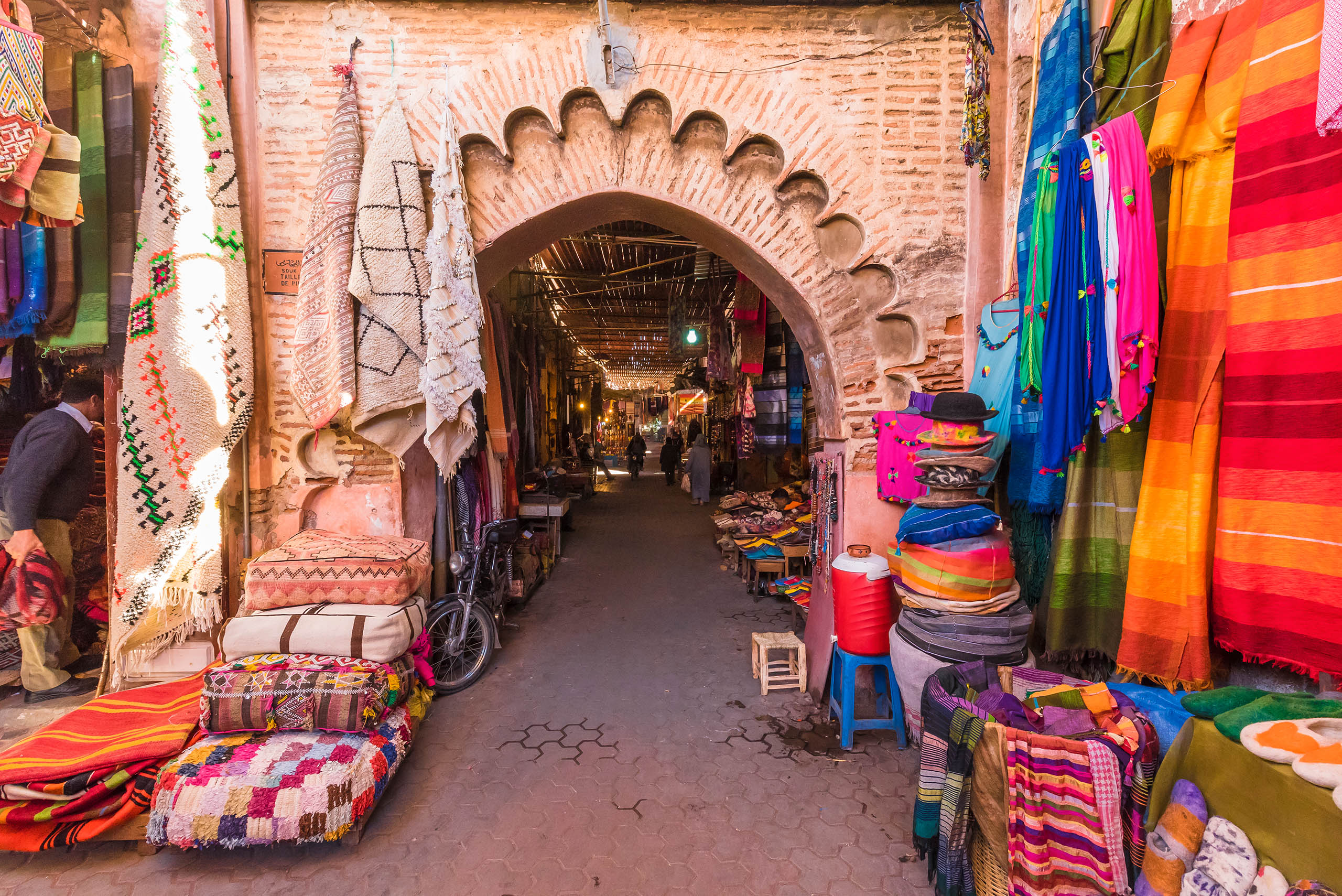
The traditional markets are a sensory overload in this walking tour in Marrakech, with an array of handmade goods, spices, textiles, jewelry, and pottery. As you navigate through the winding streets, you will encounter artisans skillfully crafting leather goods, weaving carpets, and creating intricate silver jewelry. The traditional markets are not just for shopping, but a place where you can witness the craftsmanship and ingenuity that have been passed down through generations. Each alley has its own specialty, whether it’s the brightly colored textiles of Semmarine or the aromatic spices of El Attarine.
Take the time to stop along your walking tour in Marrakech and chat with the vendors, as many are eager to share the stories behind their products, making the experience even more enriching. After exploring the traditional markets, a short walk takes you to the Koutoubia, one of Marrakech’s most iconic landmarks. Standing tall at 77 meters, its minaret is a symbol of the city and can be seen from various points across the Medina. The mosque, which dates back to the 12th century, is a stunning example of Almohad architecture, with its intricate carvings and impressive structure.
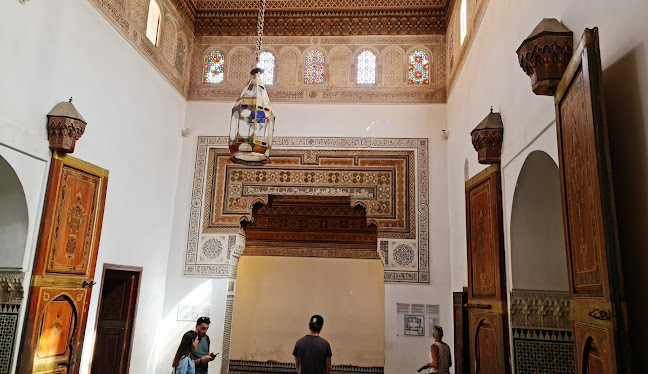
Though non-Muslims are not allowed inside, the beauty of the mosque and its surrounding gardens are worth admiring from the outside. The Koutoubia also marks the beginning of the city’s historical district, which is home to several important sites in this walking tour in Marrakech. A short walk from the mosque leads to the Bahia Palace, a 19th-century masterpiece of Moroccan architecture, known for its stunning gardens, intricate tilework, and grand courtyards. As you stroll through the palace, you’ll encounter rooms decorated with colorful mosaics, wooden ceilings, and courtyards filled with fountains and palm trees.
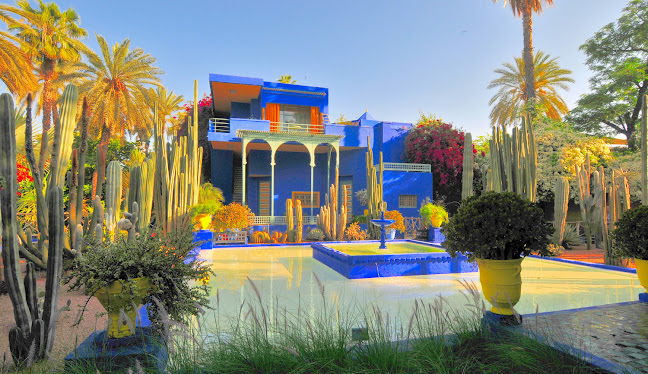
The palace offers a glimpse into the grandeur of the Royal life during the time of its construction, and staring through its halls, one can almost imagine the opulent court life that once took place here. Another highlight of a walking tour in Marrakech is a visit to the Majorelle Garden, located just outside the Medina. Originally designed by French painter Jacques Majorelle in the 1920s, this lush garden is a peaceful oasis filled with vibrant blue buildings, exotic plants, and tranquil water features. The garden is a perfect place to escape the hustle and bustle of the city, offering a moment of calm amidst the chaos.
In addition to the garden, the Yves Saint Laurent Museum is located nearby, offering a tribute to the designer’s connection to Morocco and his contribution to the fashion world. The Majorelle Garden is a testament to the fusion of French art and Moroccan landscape design, making it an essential stop for anyone visiting the city. As you continue your walking tour in Marrakech, don’t miss the opportunity to explore the various traditional houses that dot the city. These traditional Moroccan houses are built around inner courtyards, offering a peaceful retreat from the noise of the streets.
Many traditional houses have been converted into boutique hotels, providing visitors with an authentic Moroccan experience. Stepping into one is like entering another world, where you can enjoy a cup of mint tea in a serene setting, surrounded by the scents of jasmine and orange blossom. A walking tour in Marrakech is also an opportunity to sample the city’s incredible food. From street food stalls in Jemaa El Fna to the many small cafes and restaurants scattered throughout the Medina, the culinary offerings are diverse and delicious.
Don’t miss trying a traditional tagine, a slow-cooked stew made with meat, vegetables, and aromatic spices. Another must-try dish in a walking tour in Marrakech is couscous, often served with lamb or chicken, and accompanied by a glass of fresh orange juice, which is a local favorite. As the day comes to a close, a walk through the winding streets of the Medina will take you to the Bab Agnaou gate, one of the city’s most impressive entrances. The gate, which dates back to the 12th century, is a striking example of Almohad architecture, with its intricate carvings and towering presence.
With Trips from Marrakech, the evening light casts a beautiful glow on the gate and the surrounding area, providing the perfect ending to a memorable day of exploration. A walking tour through Marrakech is an unforgettable experience that offers a deep dive into the city’s rich history, culture, and daily life. Each corner holds something unique, from vibrant traditional markets and historical landmarks to tranquil gardens and hidden gems. The best way to truly experience Marrakech is to walk through it, letting the sights, sounds, and smells guide you on a journey of discovery.