The journey from Marrakech to Fez, two of Morocco’s most iconic cities, offers travelers a fascinating glimpse into the country’s rich culture, history, and diverse landscapes. Though both are Moroccan, they are worlds apart in their character, yet the journey between them binds them in ways that reflect Morocco’s historical and geographical unity.
Marrakech To Fez
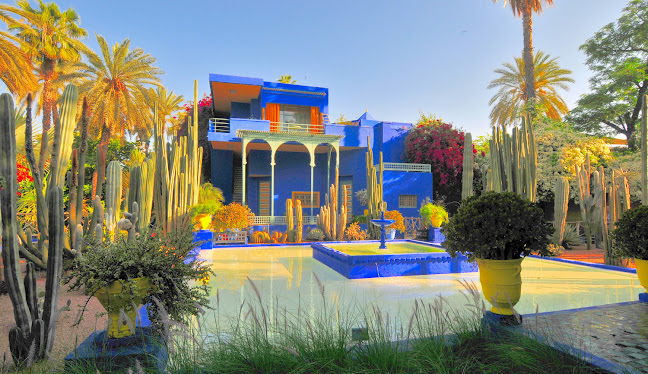
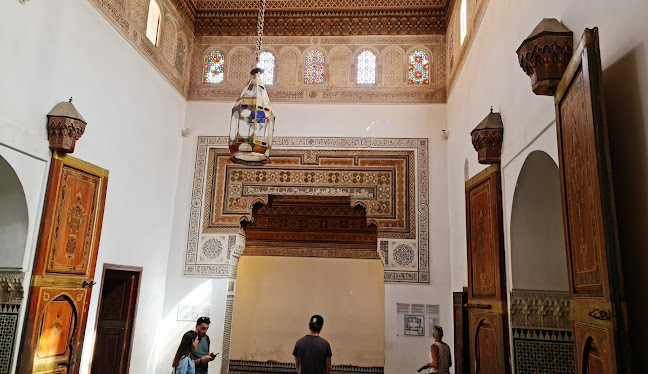
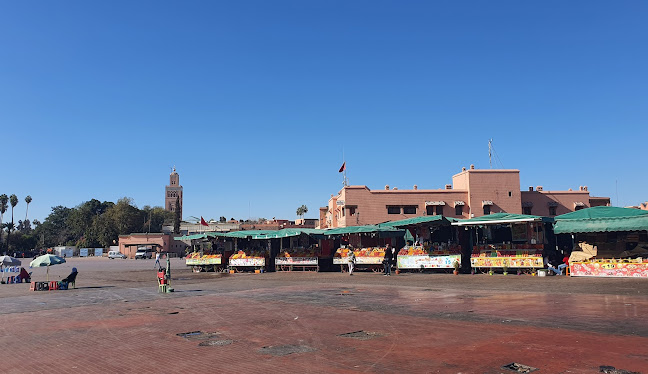
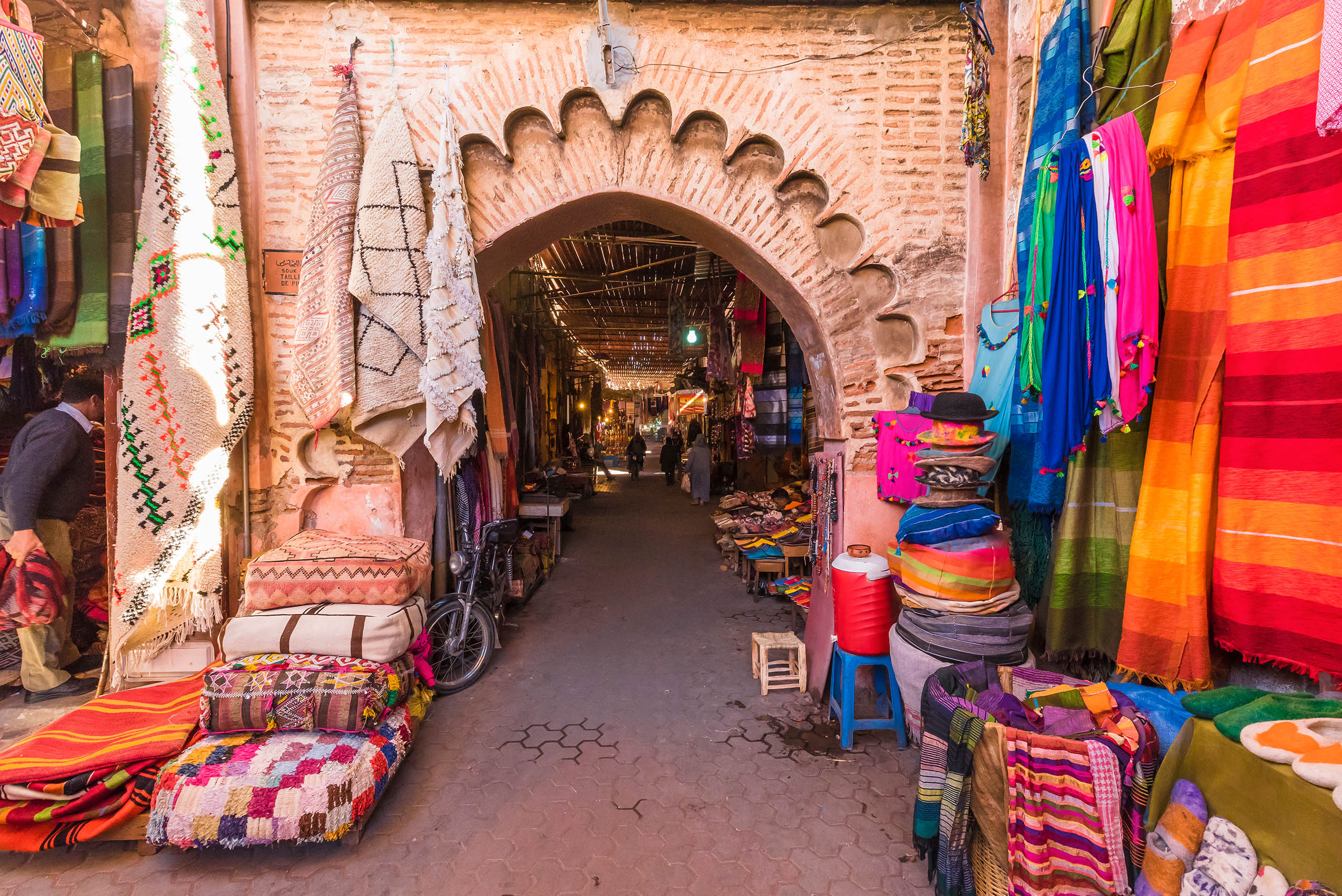
Marrakech, located in the southwest, is a bustling city that draws millions of tourists every year. It is famous for its vibrant traditional markets, historic medina, the majestic Jemaa El Fna square, and the beautiful Koutoubia Mosque. The city is a melting pot of Moroccan history, culture, and architecture, blending influences from Arab, Berber, and European traditions.
Fez, in the north-central part of Morocco, is equally significant but in a different way. It is one of the oldest and most spiritually significant cities in Morocco. The city is renowned for its ancient medina, its role as a spiritual center, and its historical significance as a cultural and intellectual hub.
The road connecting Marrakech to Fez is not just a mere transfer from one point to another, but an experience that immerses travelers in the diverse landscapes of Morocco. The distance between both cities is approximately 530 kilometers, and can take around 7 to 8 hours to travel by car, depending on the route and road conditions.
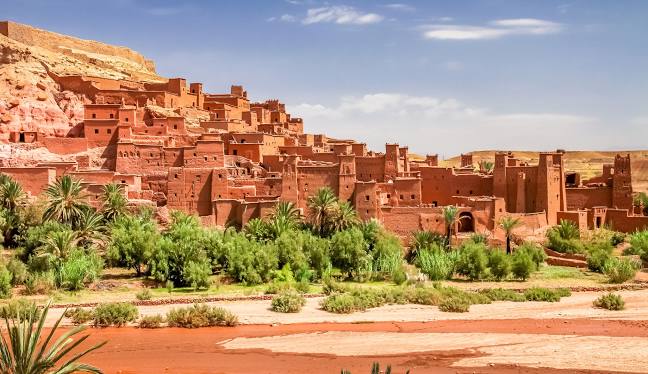
The trip is generally undertaken via the N8 road, which offers an ever-changing view of Morocco’s topography, from the flat plains surrounding Marrakech to the towering Middle Atlas mountains that gradually approach Fez. The first part of the journey from Marrakech to Fez takes you through the agricultural plains of the Haouz region, which are dotted with olive groves, fields of wheat, and traditional Berber villages, offering a rural, peaceful start to the trip.
As you leave behind the bustling streets of Marrakech, you begin to see a different side of Morocco, one that is slower and more serene. The early stages of the journey are marked by wide-open spaces, the occasional camel herder, and the glimpse of simple yet beautiful landscapes that define Morocco’s countryside.
As the journey progresses from Marrakech to Fez, the road begins to climb into the foothills of the Atlas mountains. This is a part of Morocco where the terrain becomes rugged and inspiring. The contrast between the flat plains and the high mountain peaks is striking. The Middle Atlas mountains rise in the distance, their snow-capped peaks often visible on the horizon, even in summer.
These mountains are home to a number of Berber communities that have lived in the region for centuries, maintaining their traditional way of life. Traveling through this part of the country gives you an insight into rural Morocco, where agriculture and livestock are the main livelihoods, and the pace of life is slower, more connected to nature.
The roads from Marrakech to Fez themselves are often winding, with sharp turns and inspiring drops that make the journey feel both thrilling and scenic. Along the way, travelers may pass through small towns such as Beni Mellal or Ifrane, each with its own character. Ifrane, for example, is known as Little Switzerland due to its alpine feel, clean streets, and European-style architecture.
It’s a sharp contrast to the hot as well as dusty plains of Marrakech and the vast desert landscapes that one might associate with Morocco. As the road descends ultimately from Marrakech to Fez, the landscape begins to change once again. The green hills and valleys, the fertile land, and the more developed towns signal that you are approaching the urban sprawl of your destination.
The contrast between the ancient city of Fez, with its narrow, maze-like streets, and the more modern suburbs outside the city center, is stark. However, even as you approach the modern city, the sight of the ancient medina still looms large. Fez itself is a living, breathing museum. It was once the capital of Morocco and remains one of the country’s intellectual and spiritual centers.
This trip from Marrakech to Fez is known for its historical significance, particularly the ancient University of Al Quaraouiyine, considered by UNESCO to be the oldest continuously operating degree-granting university in the world. The medina of Fez is one of the largest and best-preserved in the world, a World Heritage site that offers visitors a glimpse into a time long past.
Walking through its narrow alleys is like stepping back in time. Every corner or doorway tells a story of Morocco’s rich history, from its Islamic golden age to its role as a melting pot of cultures and faiths. Upon arrival to your destination from Marrakech to Fez, travelers will be able to explore the city’s vibrant traditional markets, admire the intricately tiled facades of historic buildings, and visit landmarks such as the Bou Inania Madrasa or the Al-Attarine Madrasa.
The city’s significance is not only historical and architectural but also cultural, as Fez remains one of Morocco’s most important centers for music, philosophy, and traditional craftsmanship. The journey from Marrakech to Fez is much more than a simple drive from one city to another. It is a journey through time, landscape, and culture. From the bustling streets of your initial point to the ancient alleys of your destination, this trip encapsulates the essence of Morocco, a land rich in history, culture, and natural beauty. Whether you are traveling with Trips from Marrakech for leisure, business, or spiritual reasons, the journey to Fez is one that leaves a lasting impression.